
After Naval Drills With Iran, South Africa Faces New U.S. Scrutiny
Tensions on the Horizon

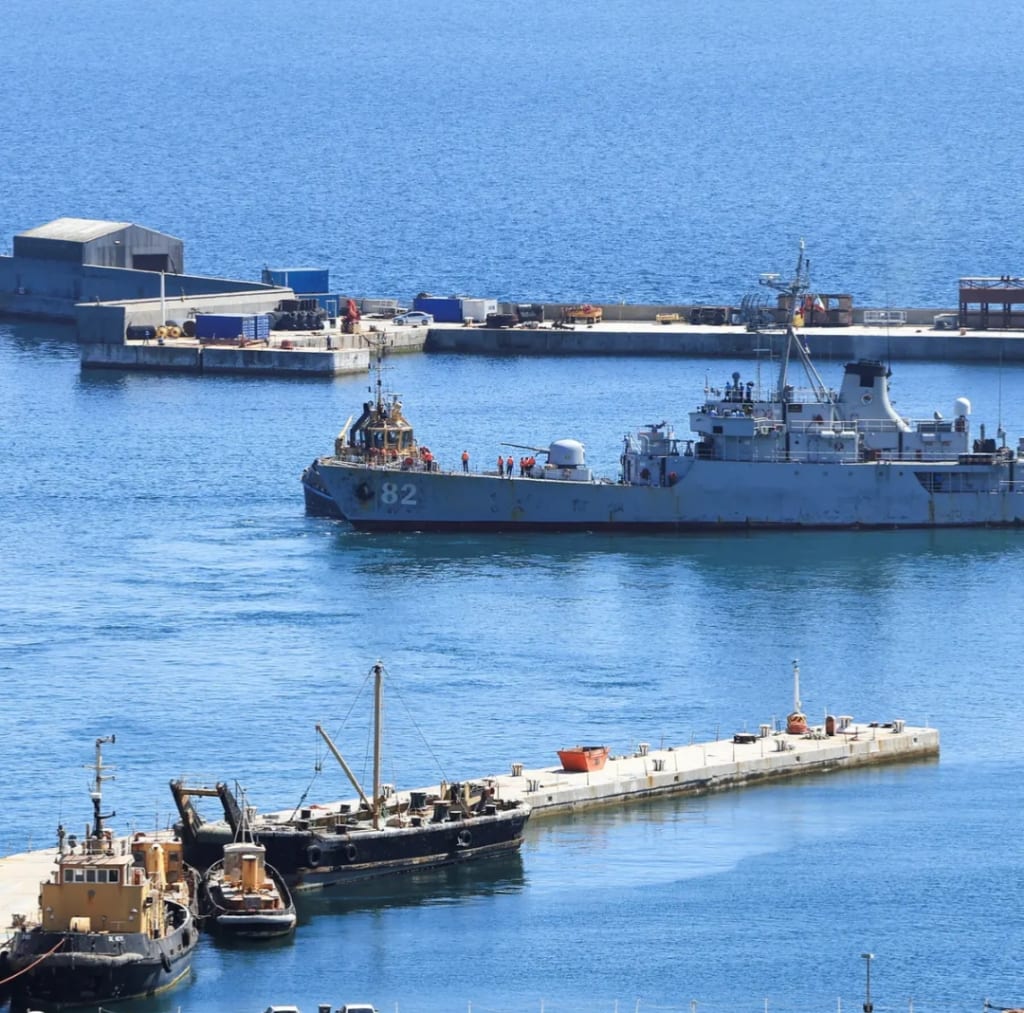
South Africa finds itself at the center of growing geopolitical scrutiny following recent joint naval exercises with Iran. The drills, officially framed as a measure to strengthen maritime security and regional cooperation, have drawn sharp attention from the United States and its allies. Analysts suggest that Washington’s response reflects broader concerns about shifting allegiances in the strategically vital waters of the Indian Ocean and the South Atlantic.
The Naval Drills: A Brief Overview
Earlier this month, South African and Iranian naval forces conducted exercises off the coast of the Cape of Good Hope, including coordinated maneuvers, search-and-rescue simulations, and maritime security drills. South Africa’s defense officials emphasized that the operations were purely defensive and humanitarian in nature, aimed at improving naval readiness and regional safety.
Iran, which has faced decades of sanctions and limited military engagement with Western powers, welcomed the drills as a demonstration of international partnership and maritime cooperation. The exercises marked a rare instance of Iran collaborating openly with a major African nation’s military forces.
U.S. Concerns and Diplomatic Pressure
The United States quickly expressed concern over the collaboration. In recent statements, Washington highlighted the potential strategic implications of a growing South Africa–Iran military relationship. U.S. officials stressed that Iran’s military ambitions in the region and ongoing nuclear tensions make any such partnership politically sensitive.
Analysts note that the U.S. scrutiny is part of a broader effort to limit Iranian influence in Africa and the Indian Ocean. “The U.S. is watching closely because any enhancement of Iran’s reach could disrupt regional security and trade,” says a former U.S. naval strategist. “South Africa is walking a fine line between sovereignty and strategic alignment.”
South Africa’s Position: Neutrality or Strategic Autonomy?
South Africa has historically pursued a non-aligned foreign policy, balancing relationships with Western powers, China, Russia, and Middle Eastern nations. President Cyril Ramaphosa’s government maintains that the naval exercises were consistent with this approach, framing them as part of routine defense collaboration rather than a shift in international allegiance.
Defense Minister Thandi Modise emphasized that South Africa has no intention of taking sides in global conflicts. “Our priority is maritime safety, anti-piracy efforts, and strengthening regional partnerships,” she said. Yet, the optics of working with Iran, a nation under heavy U.S. sanctions, inevitably raises diplomatic eyebrows.
Implications for Regional Security
The drills come at a time of heightened maritime security concerns in the Indian Ocean and the South Atlantic, where piracy, illegal fishing, and smuggling remain persistent threats. Proponents argue that joint exercises with Iran could improve South Africa’s ability to monitor shipping lanes and respond to emergencies.
However, critics warn that closer military ties with Iran could complicate South Africa’s relations with NATO countries and Western trading partners. Some experts suggest that the U.S. may respond with diplomatic pressure or conditional cooperation on defense programs, potentially affecting foreign aid, trade agreements, or intelligence sharing.
Broader Geopolitical Context
The U.S. scrutiny of South Africa occurs against a backdrop of global realignments. Iran has been actively seeking strategic partnerships beyond the Middle East, including Africa and Asia. At the same time, South Africa is engaging in BRICS and other multilateral frameworks that emphasize economic independence and multipolar diplomacy.
This convergence of interests explains the friction. While South Africa prioritizes regional stability and defense capability, the U.S. remains wary of any moves that could enhance Iran’s international standing or military reach. As a result, Pretoria finds itself navigating a delicate diplomatic path.
Future Outlook: Navigating Diplomatic Waters
Going forward, South Africa will likely face careful diplomatic balancing. Analysts predict that the country will continue defense collaborations that benefit regional security but may avoid activities that could trigger sanctions or reduce cooperation with Western allies.
Meanwhile, U.S. officials are expected to engage in high-level consultations with South African counterparts, urging caution without disrupting broader economic or strategic ties. Observers note that Pretoria’s response in the coming months could set a precedent for how African nations engage with controversial global powers while maintaining relationships with Western countries.
Conclusion: A Test of Strategic Autonomy
The naval drills with Iran have placed South Africa under a new level of international scrutiny, highlighting the challenges of navigating a multipolar world. For Pretoria, the situation tests its ability to maintain strategic autonomy while balancing the interests of major global players.
As global powers watch closely, South Africa’s decisions on military partnerships, maritime security, and diplomatic engagement could redefine its role in regional and international geopolitics. The coming months may reveal whether the country can assert its foreign policy independence without alienating key allies or whether the pressures of global scrutiny will shape its future defense strategies.
About the Creator
Keep reading
More stories from Salaar Jamali and writers in The Swamp and other communities.
Nigerian Farmers Speak Out on How Climate Change Is Hitting Staple Food Crops — and What Can Help
Across Nigeria’s farmlands — from the dry expanses of the north to the wetter soils of the south — farmers are confronting a stark new reality: climate change is reshaping the landscape of food production and threatening the country’s ability to feed itself. For millions of smallholder farmers who grow staple crops like maize, cassava, rice, millet, sorghum and yam, erratic weather, prolonged droughts and sudden floods are no longer distant predictions — they are everyday challenges that jeopardize harvests, incomes and food security.
By Salaar Jamalia day ago in The Swamp
Queen Elizabeth II Statue Will Be Standing and Not on Horseback
Plans for a new statue of Queen Elizabeth II have confirmed that the monarch will be depicted standing, rather than on horseback, sparking discussions about the design, symbolism, and legacy of the late Queen. The statue is part of a broader effort to commemorate her 70-year reign and provide a lasting tribute to her life and contributions.
By Aarif Lashari7 days ago in The Swamp
Ground Rent Cap Set to Transform Leasehold Market in England and Wales
The government of England and Wales is poised to announce a major policy to cap ground rents on existing leasehold properties, with far-reaching implications for millions of homeowners trapped in one of the most criticised aspects of the UK housing market. �
By Ayesha Lashari4 days ago in The Swamp



Comments
There are no comments for this story
Be the first to respond and start the conversation.