
A Mother Recognises Her Deceased Son In A Corpse Museum Display
A mother's instinct kicks in when visiting a macabre exhibition...

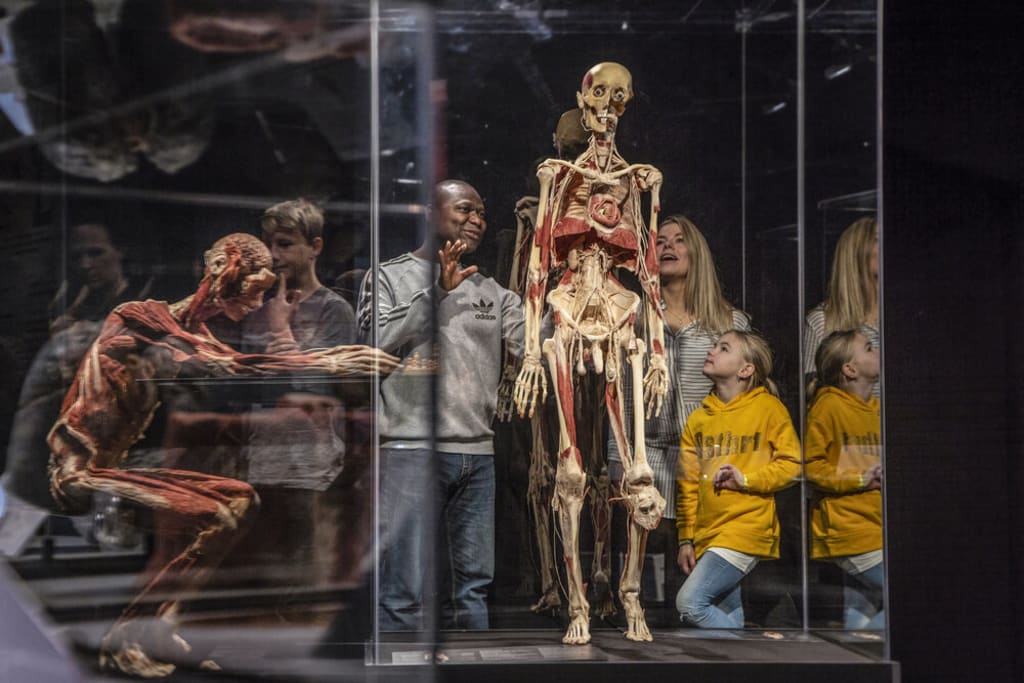
Founded in 1995 by German anatomist Dr. Gunther von Hagens, Body Worlds is a controversial exhibition that features real human bodies preserved and displayed for public viewing.
Arranged in a range of dynamic poses, each specimen offers audiences a rare opportunity to observe the body’s internal structures up close, creating an experience widely described as engaging, educational, and thought-provoking.
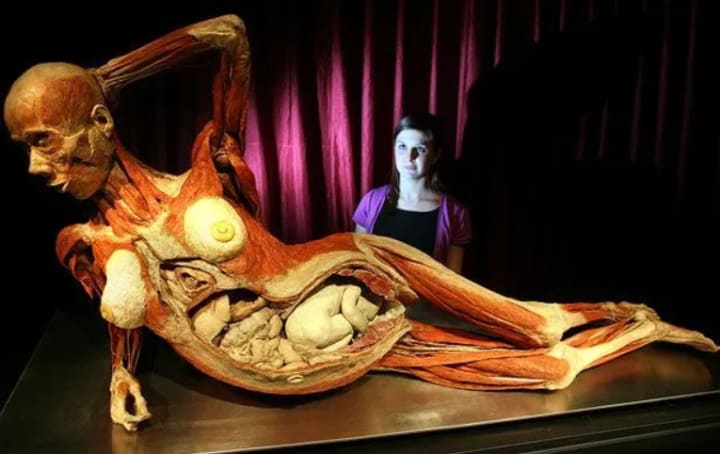
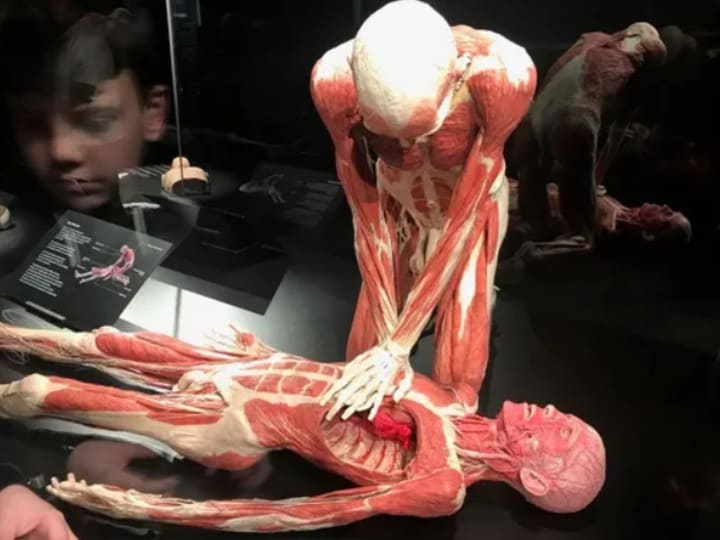
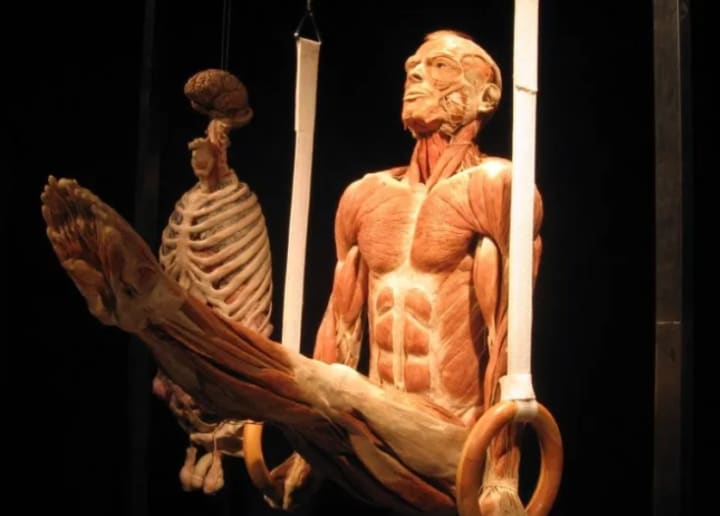
With more than 56 exhibitions staged across 55 countries, this human museum has attracted widespread attention, particularly among those drawn to the macabre. Its success is made possible through a process known as plastination—the replacement of bodily fluids with polymers, allowing for long-term, highly standardised preservation.
The bodies on display are claimed to have been donated by individuals who consented to their use after death, with the company maintaining that all donors remain anonymous.
However, for one grieving mother, anonymity offered little comfort—she believed she recognised one face among the exhibits.
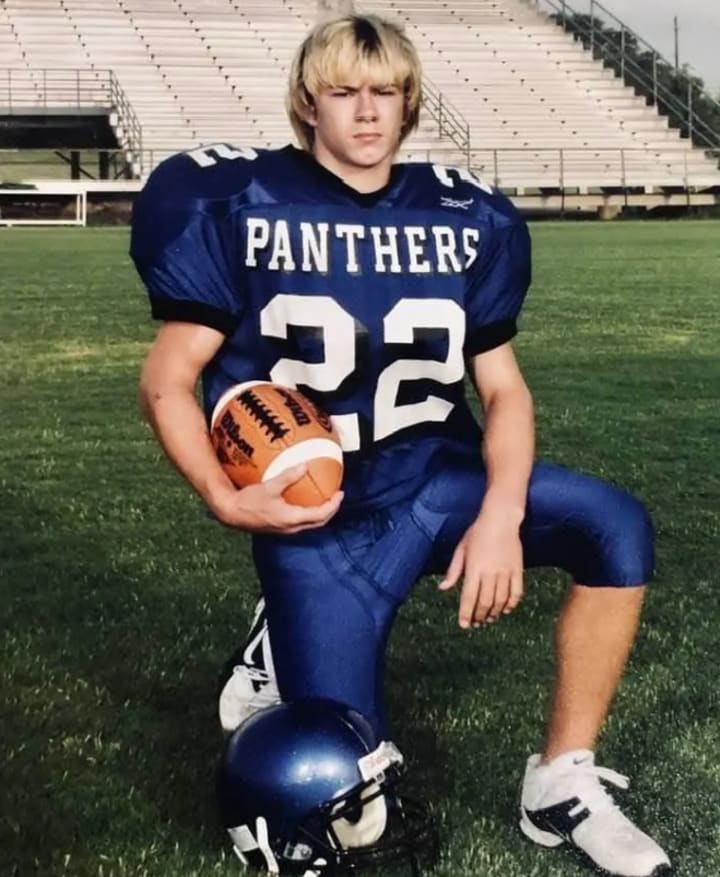
Born in Mesquite, Texas, in September 1989, Christopher Todd Erick was the light of his mother’s life.
Throughout his teenage years, while many of his peers rebelled against parental authority, Christopher preferred the quiet of his room, where he spent hours playing the guitar and studying the Bible. His mother, Kimberly, often said that Jesus Christ was his “first true love,” and she was filled with pride and joy when her son shared his dream of becoming a preacher.
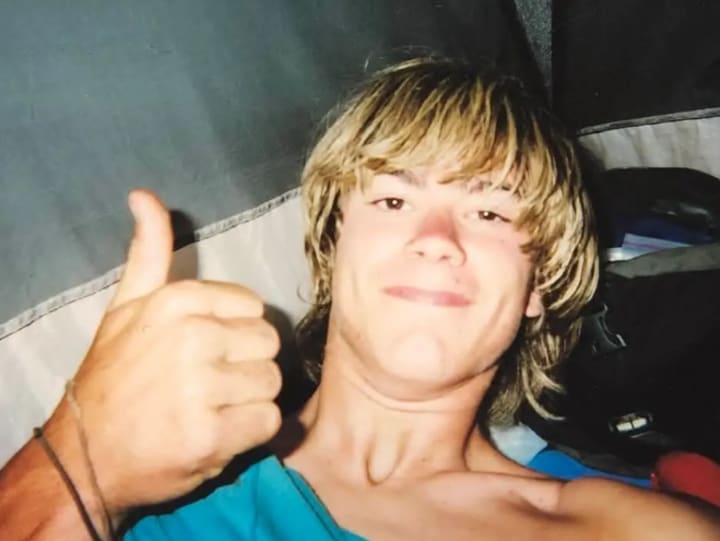
During his school years, Christopher consistently achieved honour-roll status and later graduated from the University of Texas with a degree in Clinical Therapy. He went on to specialise in Reiki, a healing practice believed by some to promote wellness by influencing the body’s energy field through touch.

Christopher was also highly athletic, displaying talent across a wide range of sports, including football, MMA, wrestling, baseball, karate, and taekwondo. In light of his exceptional physical condition and healthy lifestyle, the events of 10th November 2012 came as an even greater shock.

On that day, grey clouds hung over Texas as the life of 23 year old Christopher was abruptly and tragically cut short under circumstances that would later raise serious questions.
He was found lifeless in his bed at his grandmother’s home, and his death was initially believed to have been caused by a heart attack.
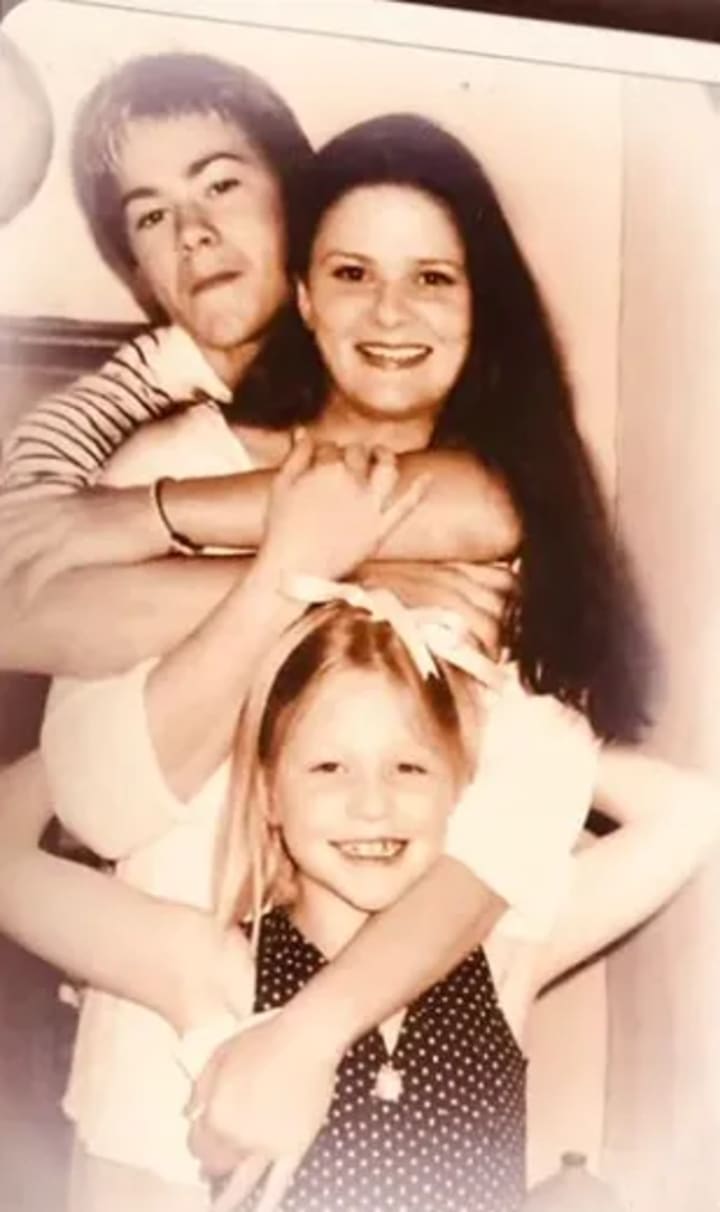
Christopher’s father, Steven—who was divorced from his mother—moved quickly in the aftermath of his death, expediting the funeral arrangements and having his son’s remains cremated within days. Due to the deeply strained relationship between Steven and Kimberly, she was denied access to the ashes, leaving her devastated and robbed of the chance to properly say goodbye.
Steven and Christopher’s grandparents had held sole custody of him since his teenage years, following a legal battle that removed him from his mother’s care.
According to Kimberly, this decision was driven not by concern for Christopher’s wellbeing, but by spite. She later alleged that her son endured regular physical and verbal abuse at the hands of his father. On one occasion, she claimed, Steven wrapped his hands around Christopher’s throat and attempted to strangle him.
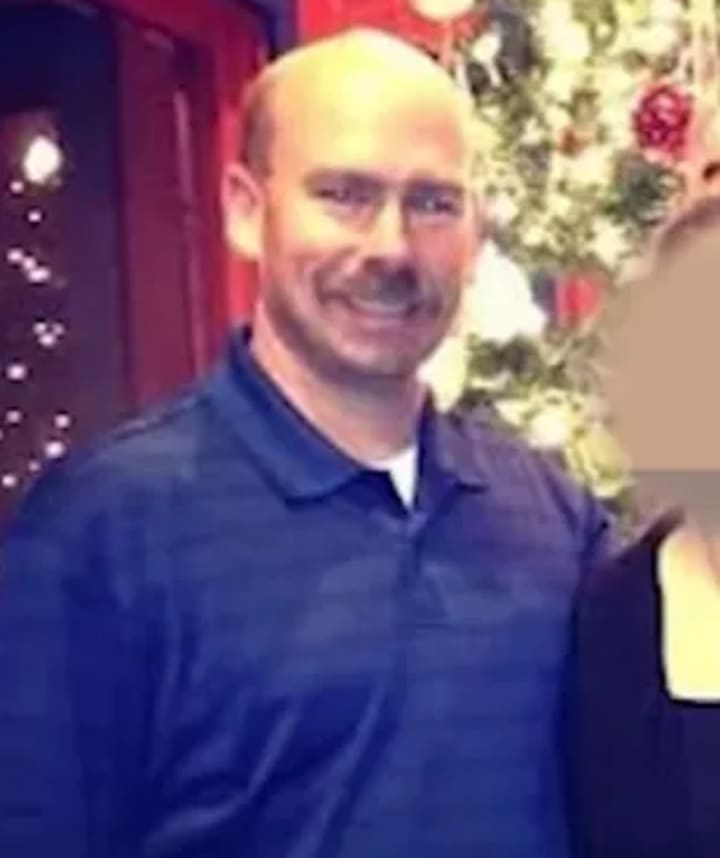
The abuse was reportedly documented in Christopher’s personal journal, in which he kept detailed accounts of his father’s behaviour. He also described a deeply troubled relationship with his stepmother, Tanya, whom he frequently referred to as “the witch.”
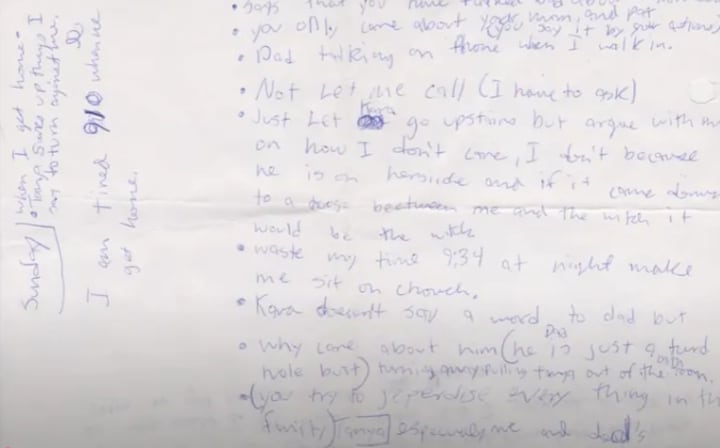
In 2005, Steven and Tanya sent Christopher to Excel Academy, a disciplinary camp marketed toward so-called “troubled” youths. However, Christopher was not a misbehaving teenager; the decision appeared to be another attempt by his father to exert control and “teach him a lesson.”
Conditions at the academy only worsened his situation. During his time there, Christopher reportedly endured further abuse at the hands of staff members—individuals who were later exposed for subjecting campers to beatings, starvation, and forced labour.
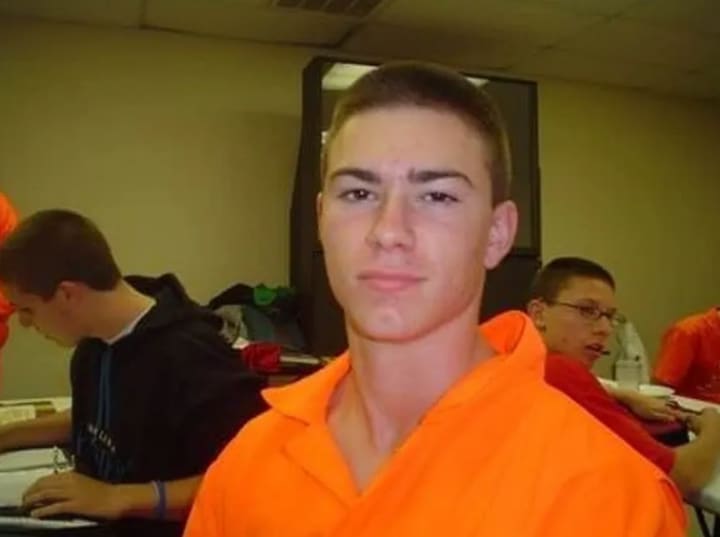
By the time Christopher left the camp at 18, he carried deep psychological scars. Throughout this period, Kimberly remained largely unaware of the extent of her son’s suffering, permitted only infrequent contact and denied any real insight into what he was enduring.

When the three-year lease on his apartment ended, Christopher moved into a spare bedroom at his paternal grandmother’s home. It was around this time that he began experiencing a mysterious illness.
A year before his untimely death, Christopher wrote a letter to his mother describing the troubling symptoms he had been experiencing. His condition had grown so severe that he was unable to join her for Thanksgiving as he had planned.
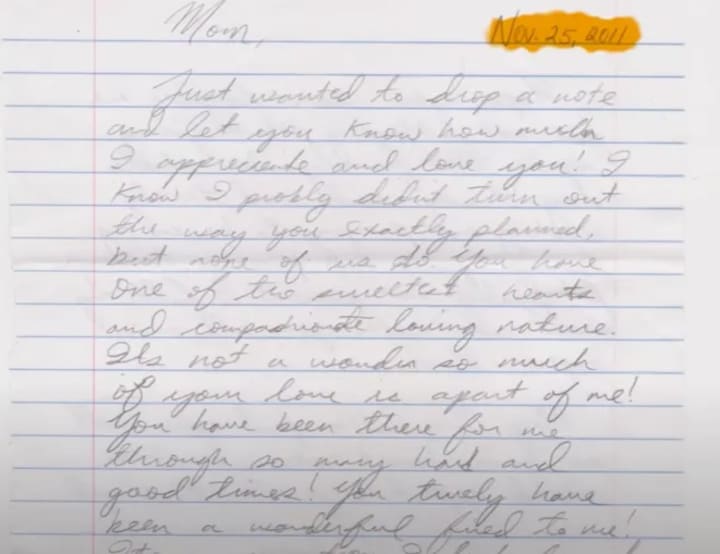
In the final months of his life, Christopher came to believe that his relentless illness was God’s way of signaling his impending death.
After he passed, his father and grandparents told police that Christopher had suffered from a heart defect, insisting that this was likely the cause of his death. Kimberly, however, dismissed their claims as nonsense and launched her own investigation.
Fortunately, law enforcement had collected a vial of Christopher’s blood before his cremation—though it had not yet been tested. Fearing that her son may have been the victim of foul play at the hands of his own family, Kimberly fought to have it examined.
One month later, her suspicions would be confirmed.
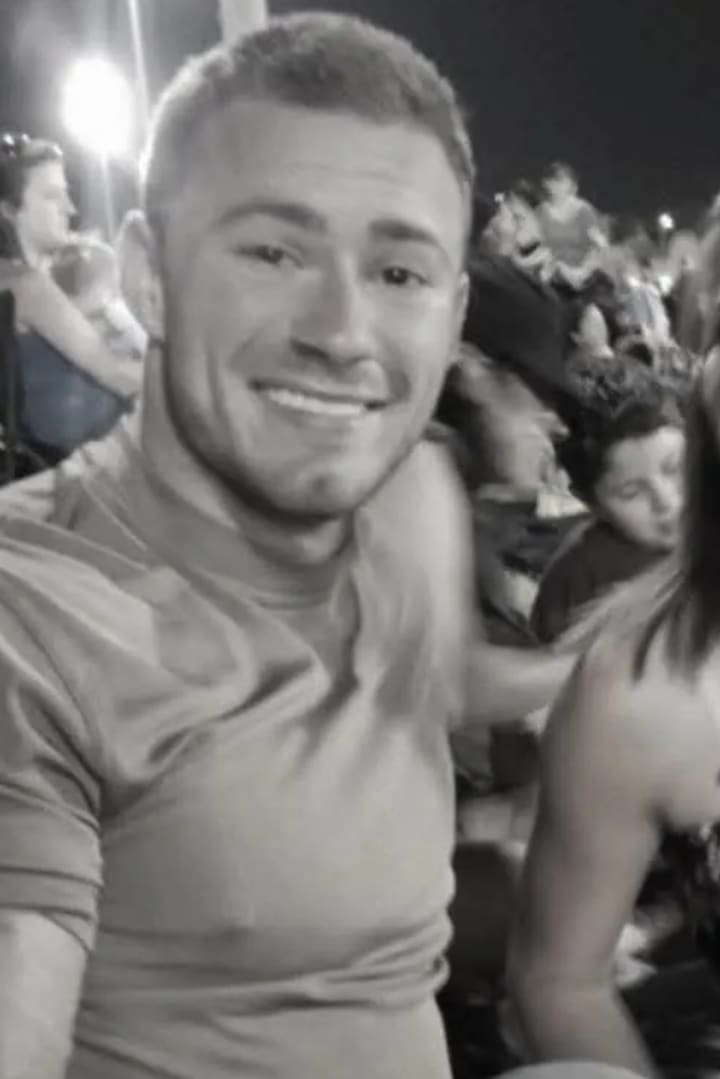
Hauntingly, Kimberly’s intuition proved correct. When tested, Christopher’s blood revealed deadly levels of cyanide. With this evidence, the coroner was forced to revise the official cause of death from “natural causes” to “undetermined.”
In response, Steven and his parents suddenly changed their story. Rather than insisting on a heart attack, they now claimed that Christopher must have taken his own life.
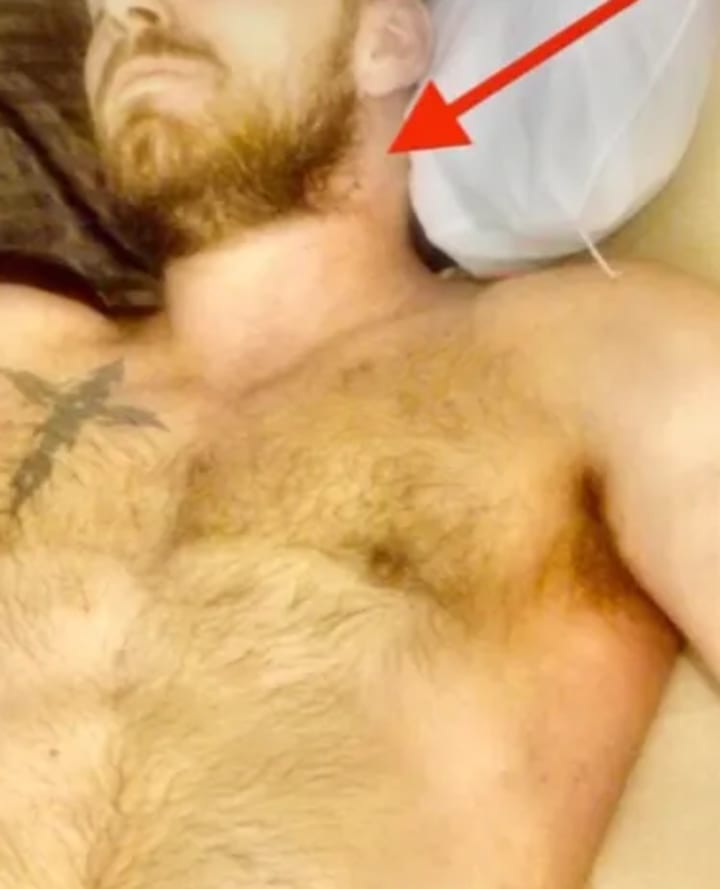
Disturbingly, law enforcement photographs of Christopher’s body showed what appeared to be needle marks on his neck, raising further questions about the circumstances of his death.
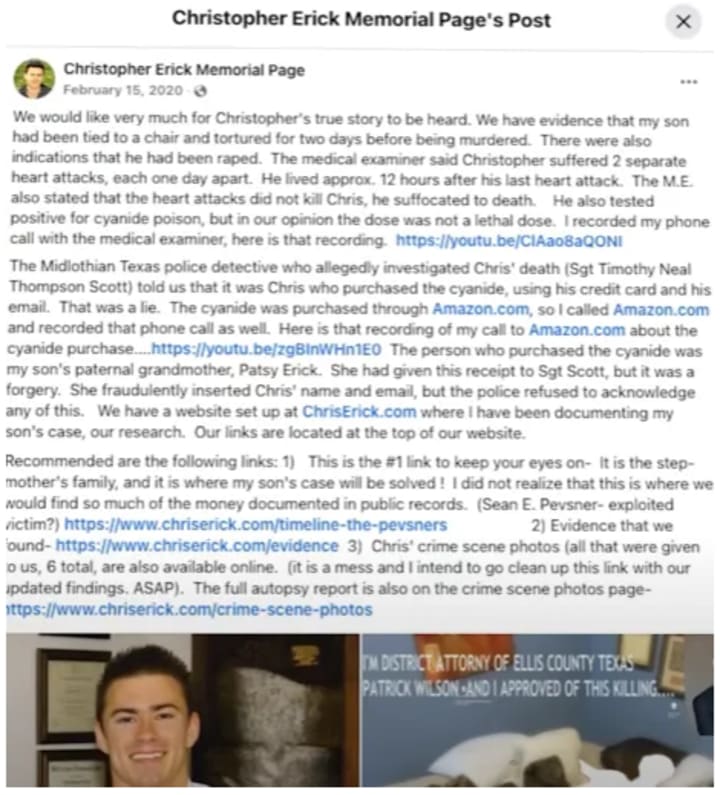
Convinced that her son’s death was no accident, Kimberly took to the internet to launch a campaign seeking justice, publicly accusing Christopher’s father and grandparents of taking his life.
On 15th February 2020, she posted on Facebook that she possessed evidence indicating that, in the days leading up to his death, Christopher had been “tied to a chair and tortured for two days.”
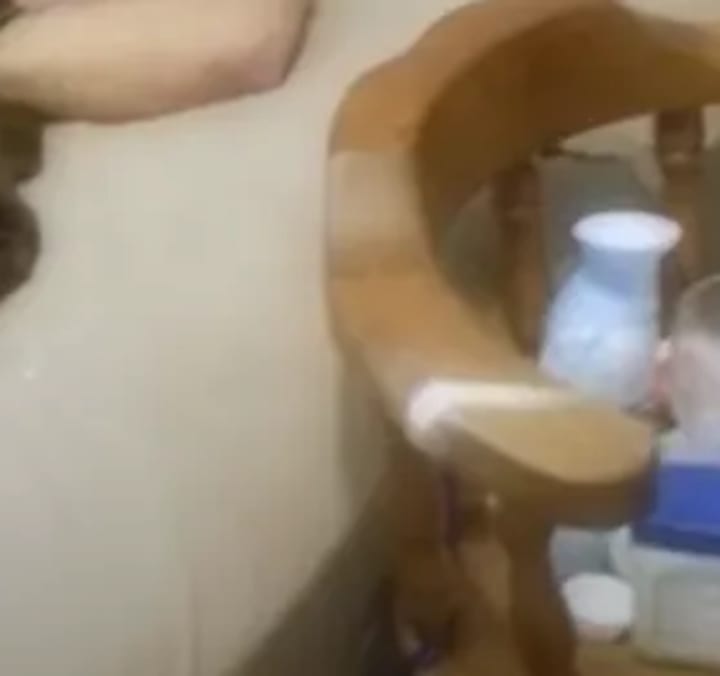
Crime scene photographs also depicted the chair in question, positioned beside Christopher’s bed. Distinct restraint marks were visible on its arms, and a strap still dangled from the frame, suggesting it had been used to confine him.
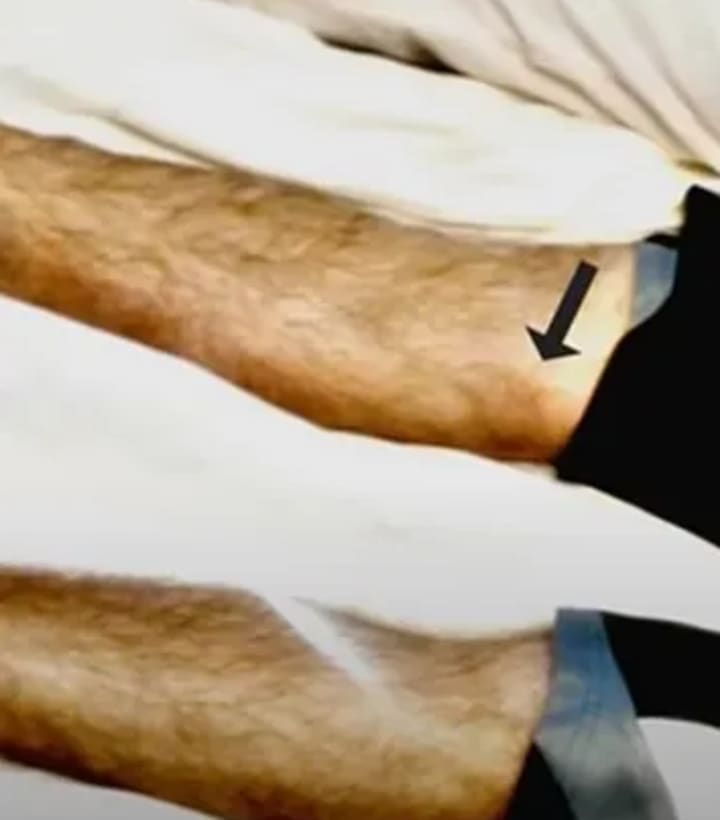
Restraint marks also appeared across Christopher’s body, accompanied by visible injuries on his chest, arms, and legs.
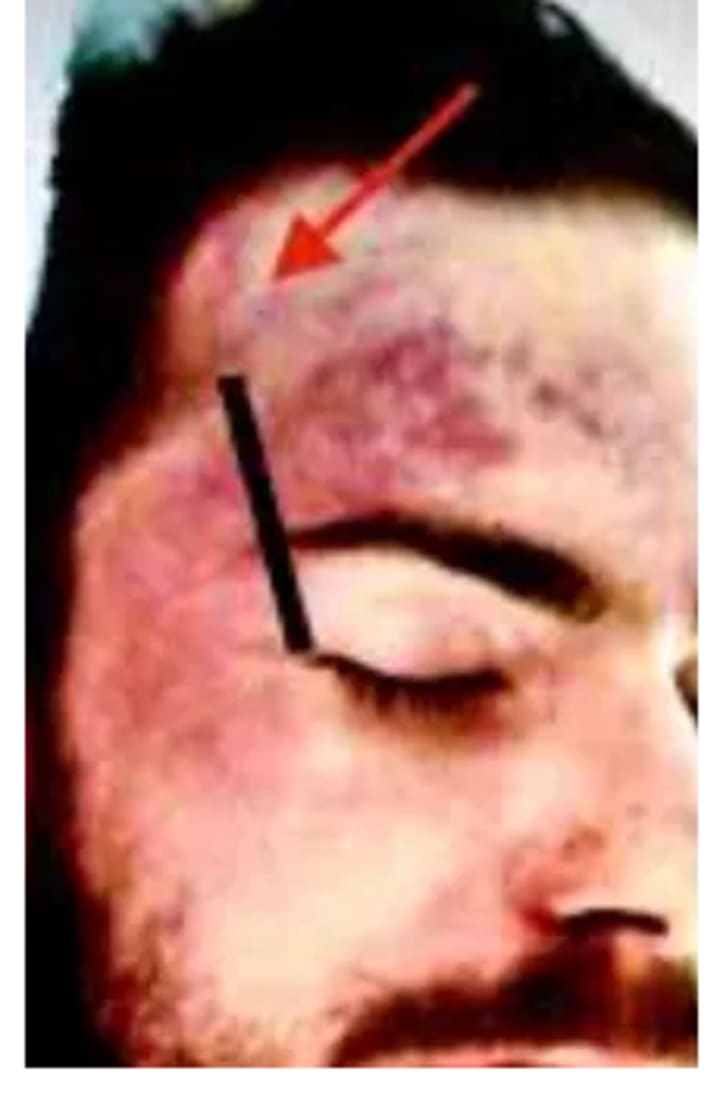
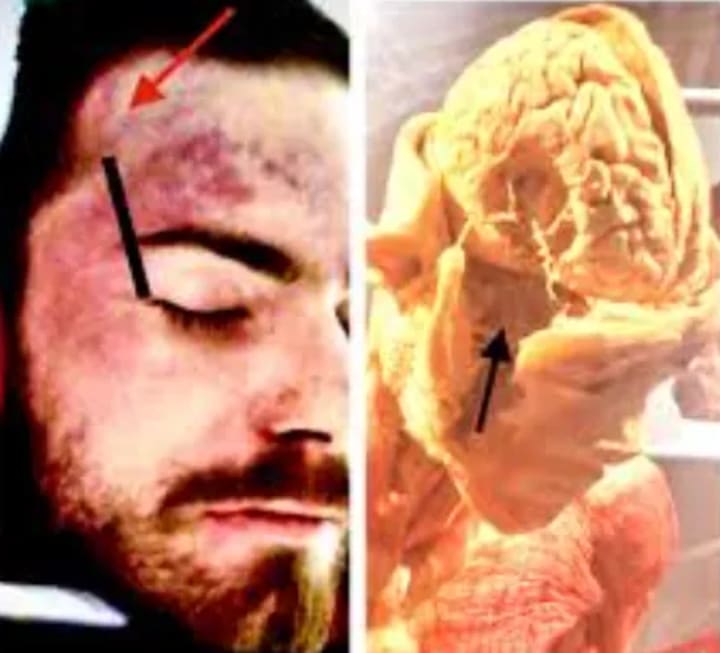
Christopher’s right temple showed signs of a severe blow, with extensive bruising across his face. Evidence suggested that he had likely struggled and fought back before his death.
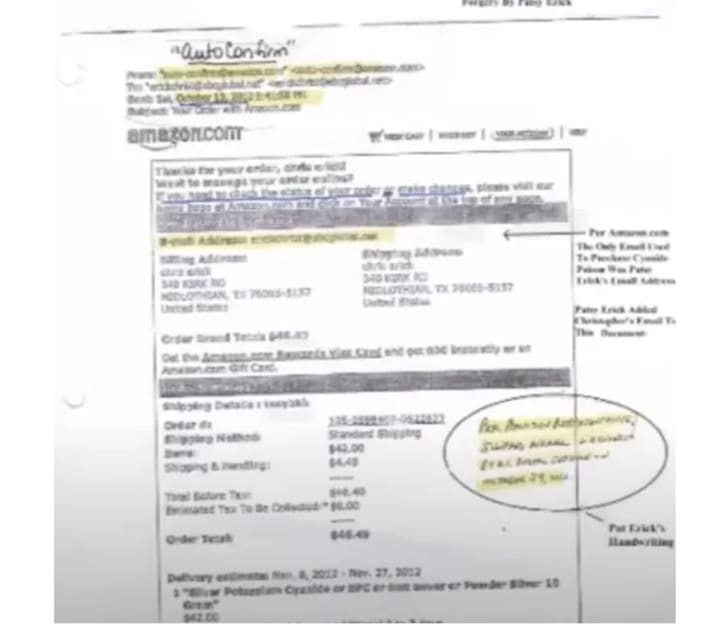
It later emerged that Christopher’s grandmother, Patsy, had been ordering cyanide from Amazon under his name for months leading up to his death.
Kimberly subsequently shared the receipts on Christopher’s memorial page, revealing that the orders had been charged to Patsy’s credit card.
In his journal entries, Christopher described symptoms such as weakness, confusion, extreme sleepiness, and delusions—classic signs of cyanide poisoning. Kimberly also recalled that, in the months leading up to his death, he would sometimes sleep for stretches of 24 hours at a time.
Despite this damning evidence implicating Christopher’s father and paternal grandparents, law enforcement has so far failed to launch a proper investigation.
The Exhibition
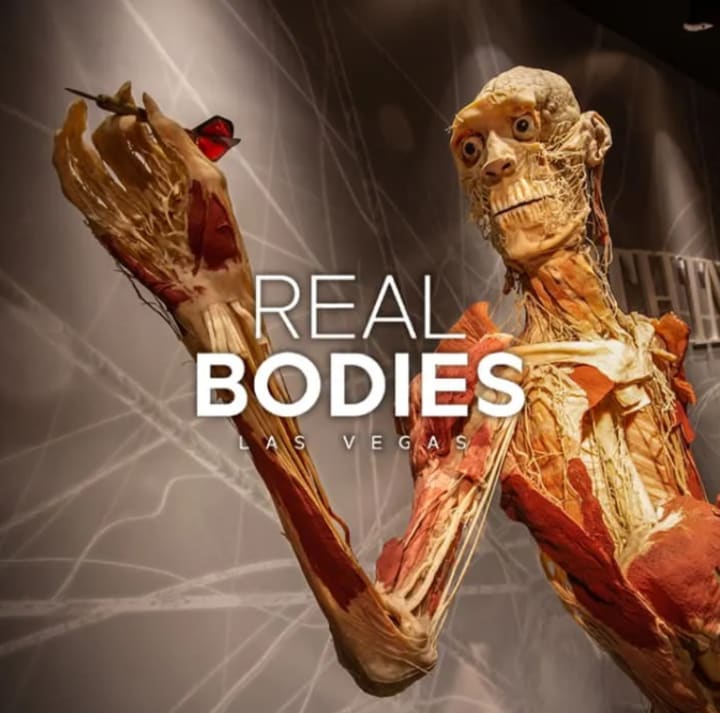
Years later, the Body Worlds exhibition opened in Las Vegas, drawing thousands of visitors—including Kimberly.
As she walked among the displays, her heart suddenly sank at one in particular. The figure titled “The Thinker” depicted a male corpse seated, appearing lost in deep thought.
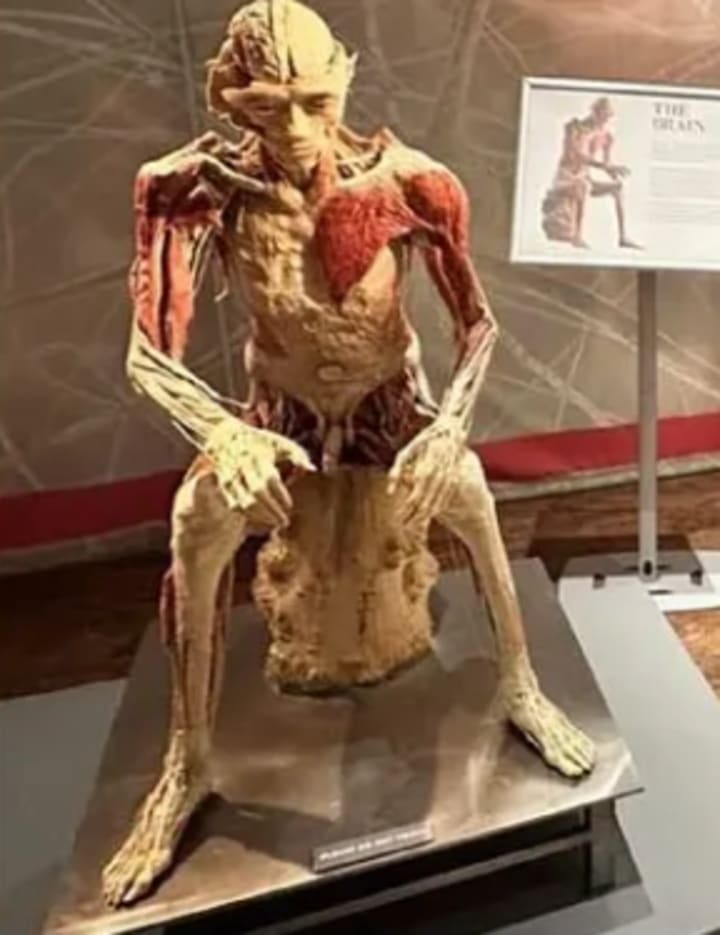
Kimberly couldn’t tear her eyes away from the figure’s face, certain she was looking at her late son. To her, the resemblance was unmistakable, later remarking:

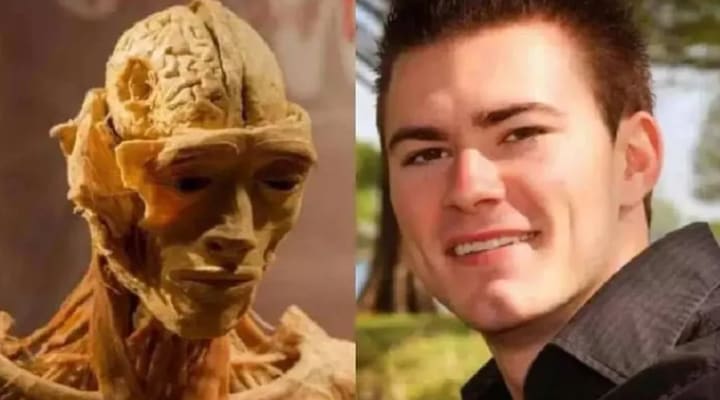
The closer Kimberly examined the body on display, the more convinced she became that it was Christopher. Strikingly, the corpse also appeared to have a skull fracture in the exact same location where Christopher had suffered his injury.
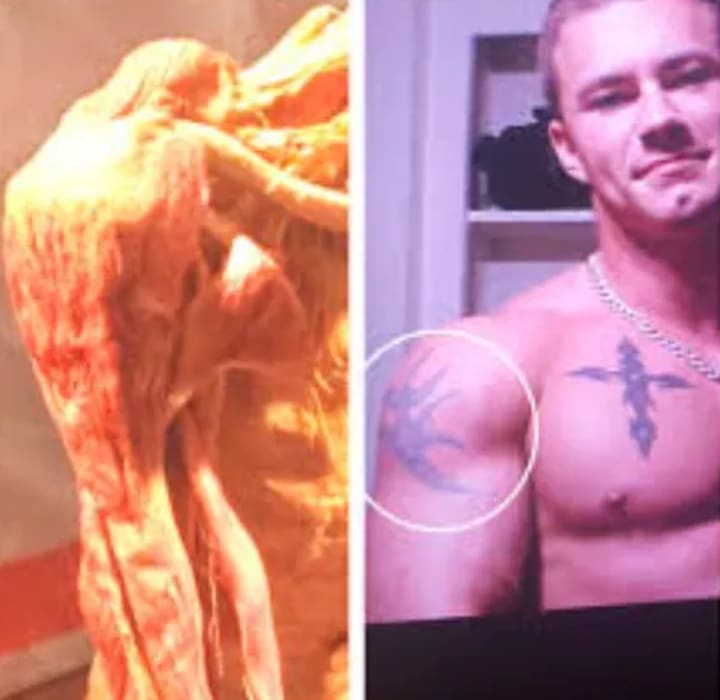
In addition, several areas of the corpse’s flesh had been removed more deeply in locations where Christopher had tattoos, including his arms and chest.
Haunted by the possibility that the figure was her son, Kimberly launched a fierce campaign against the exhibition, demanding that DNA testing be carried out on the corpse. Despite her persistent efforts, staff refused to disclose the individual’s identity, citing strict confidentiality and noting that all bodies had been legally donated with full consent.
Undeterred, Kimberly took her fight online, where her story drew overwhelming support. An accompanying petition garnered over 600 signatures, calling for Christopher’s father and grandmother to undergo polygraph testing.
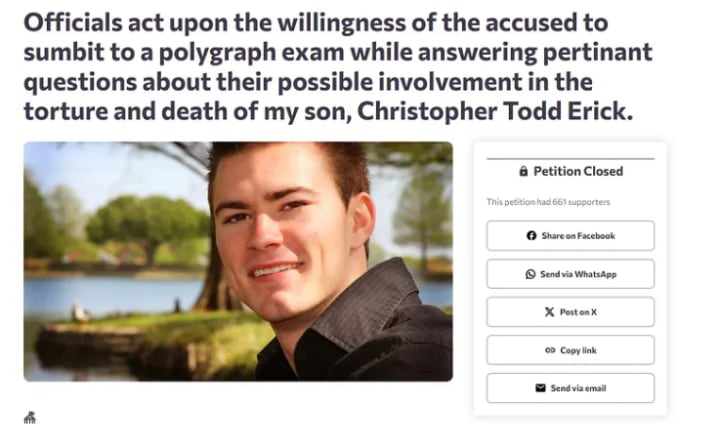
Sadly, as of 2026, the Midlothian Police have taken no action, and there is still no active investigation into Kimberly’s claims.
Her search for answers—both regarding her son’s death and the fate of his remains—continues, and she remains passionate and vocal about the matter online.
About the Creator
Matesanz
I write about history, true crime and strange phenomenon from around the world, subscribe for updates! I post daily.
Oyster Cards Could Be Loaded Onto Smartphones Under New TfL Deal
Transport for London (TfL) has announced plans to modernize its payment system by allowing Oyster cards to be loaded and managed via smartphones, marking a significant step in the evolution of public transport payments in the capital. The initiative is designed to make commuting easier, reduce the reliance on physical cards, and integrate TfL services more seamlessly with digital wallets.
By Aarif Lashari5 days ago in The Swamp


Comments
There are no comments for this story
Be the first to respond and start the conversation.