
Oyster Cards Could Be Loaded Onto Smartphones Under New TfL Deal
“TfL moves toward digital commuting as Oyster cards set to be integrated with smartphones for tap-and-go travel”
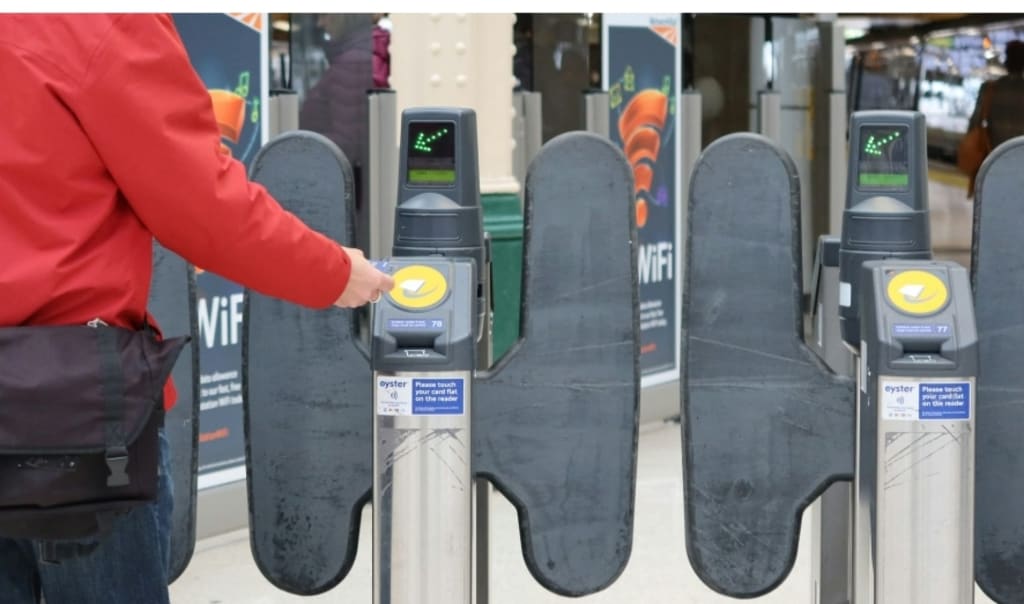
Transport for London (TfL) has announced plans to modernize its payment system by allowing Oyster cards to be loaded and managed via smartphones, marking a significant step in the evolution of public transport payments in the capital. The initiative is designed to make commuting easier, reduce the reliance on physical cards, and integrate TfL services more seamlessly with digital wallets.
Under the new deal, Londoners could soon add credit or travel passes to their smartphones, enabling passengers to tap and go without needing a separate Oyster card. The move reflects a growing trend in urban transport systems worldwide, embracing mobile technology to improve convenience, security, and efficiency.
Background: Oyster Cards and TfL Payments
Oyster cards have been a staple of London public transport since 2003, providing a reliable, pre-paid method for accessing the Tube, buses, trams, and certain rail services. While the card has evolved over time, TfL has faced increasing demand from commuters for more flexible, contactless, and mobile-friendly options.
The integration of Oyster functionality into smartphones would allow users to:
Top up their travel balance instantly
Track journeys and spending in real-time
Use contactless payment methods without carrying multiple cards
Benefit from enhanced security features like biometric authentication
This modernization aligns TfL with other major cities adopting digital-first transit solutions, such as New York, Hong Kong, and Singapore.
How the Smartphone Oyster Will Work
According to TfL, the system will leverage NFC (Near Field Communication) technology built into most modern smartphones. Passengers will be able to:
Download a dedicated TfL app or use existing transport wallet apps
Link their Oyster account to their smartphone
Add credit, travel cards, or season passes digitally
Tap their phone at turnstiles and bus readers just like a traditional Oyster card
The rollout is expected to be gradual, with TfL testing the system on certain lines and services before a full city-wide implementation.
Benefits for Commuters
The smartphone Oyster is expected to offer multiple benefits for Londoners:
Convenience: No need to carry multiple cards; everything can be stored on a mobile device.
Real-Time Updates: Commuters can monitor balances, top up instantly, and avoid running out of credit.
Security: Smartphones provide additional protection through PINs, facial recognition, or fingerprint authentication.
Contactless Experience: Reduces physical touchpoints, aligning with post-pandemic hygiene preferences.
These improvements aim to simplify daily commuting, reduce queues at ticket offices, and enhance the overall TfL user experience.
Impact on TfL Operations
The adoption of mobile Oyster cards could also benefit TfL internally:
Operational Efficiency: Reduced demand for physical Oyster card production and distribution
Data Insights: More precise tracking of passenger patterns, helping optimize routes and schedules
Cost Reduction: Lower maintenance costs for physical infrastructure like top-up machines
Future Expansion: Easier integration with emerging technologies like wearable devices or digital travel hubs
Transport analysts suggest that this move could modernize the entire London transit ecosystem, making it more adaptable to digital trends and passenger needs.
Challenges and Considerations
While promising, the initiative faces several challenges:
Digital Exclusion: Not all passengers have access to smartphones or are comfortable with mobile technology. TfL must ensure that traditional Oyster cards remain available for those who need them.
Technical Reliability: NFC and app systems must be robust, secure, and able to handle millions of daily commuters.
Data Privacy: TfL will need to ensure that customer data, journey history, and payment information are protected from cyber threats.
Adoption: Passengers must be educated about the new system, and incentives may be required to encourage widespread use.
TfL has assured the public that physical Oyster cards will continue to be supported alongside smartphone integration, ensuring inclusivity.
Reactions from Commuters
Initial reactions from Londoners have been mostly positive:
Many commuters welcome the convenience of topping up on-the-go
Some express concerns about battery dependency for their phones
Disability advocates have highlighted the need for accessible options for all users
Social media discussions suggest that while the transition may take time, passengers are excited about the potential for a more seamless travel experience.
Comparison With Other Cities
Several international cities have successfully implemented mobile transit solutions:
Hong Kong: Octopus card functionality is fully integrated with mobile apps
New York: MetroCard is being phased out in favor of OMNY mobile payment system
Singapore: EZ-Link allows NFC payments and mobile top-ups
TfL’s smartphone Oyster initiative follows this global trend, aiming to bring London’s public transport into the digital age.
Future Prospects
Looking ahead, TfL plans to explore additional digital integrations:
Linking Oyster accounts to smartwatches and wearables
Personalized travel alerts and journey planning via app notifications
Integration with ride-sharing and multimodal transport solutions
Use of AI to optimize travel recommendations and reduce congestion
The smartphone Oyster could serve as the foundation for a fully digital London transit ecosystem, enhancing convenience and efficiency for years to come.
Conclusion
The proposed integration of Oyster cards onto smartphones represents a major step forward for London’s public transport system. By leveraging digital technology, TfL aims to improve convenience, security, and accessibility for millions of daily commuters.
While challenges like digital inclusion, security, and technical reliability remain, the move signals London’s commitment to modernizing its transit infrastructure and aligning with international standards. As TfL tests and rolls out the mobile Oyster system, passengers can expect a faster, smarter, and more connected commuting experience, bridging the gap between physical and digital transport solutions.
About the Creator
Keep reading
More stories from Aarif Lashari and writers in The Swamp and other communities.
Two Men Charged Over UK Funeral Firm Collapse That Left 46,000 ‘Out of Pocket’
Two men have been formally charged in connection with the collapse of a UK funeral firm, which left approximately 46,000 customers financially affected. The firm, once a prominent provider of funeral services, entered administration after facing mounting financial difficulties, raising serious questions about regulation, oversight, and consumer protection in the sector.
By Aarif Lashariabout 17 hours ago in The Swamp
Forces Prepared for Multi-Domain Operations: How Modern Militaries Are Rewriting the Rules of Warfare
Modern warfare is no longer confined to land, sea, or air alone. Today’s conflicts unfold simultaneously across multiple arenas — including cyberspace, space, and the information domain. This reality has given rise to Multi-Domain Operations (MDO), a military concept that emphasizes the coordinated use of capabilities across all domains to gain and maintain strategic advantage. As global security threats grow more complex, armed forces around the world are reshaping doctrine, technology, and training to prepare for this new way of war. Understanding Multi-Domain Operations Multi-Domain Operations are built on the idea that success in future conflicts will depend on the ability to integrate actions across land, air, sea, space, cyber, and electromagnetic domains. Unlike traditional joint operations, where each service often operated sequentially or in parallel, MDO demands real-time coordination and information sharing. Decisions must be faster, more flexible, and driven by data superiority. In an MDO environment, disabling an adversary’s satellite network may be just as critical as winning a ground battle. Cyberattacks can disrupt logistics, misinformation campaigns can erode public trust, and space-based assets can determine battlefield awareness. Forces prepared for MDO must therefore think holistically, acting across domains to overwhelm opponents before they can respond effectively. Why MDO Readiness Matters Now The urgency behind MDO preparation stems from shifting global power dynamics and rapid technological change. Peer and near-peer competitors are investing heavily in anti-access and area-denial (A2/AD) strategies, designed to restrict freedom of movement and communication. These strategies challenge conventional military advantages and require new approaches. Conflicts in recent years have demonstrated how drones, cyber tools, precision missiles, and information warfare can decisively shape outcomes. Militaries that fail to integrate these elements risk being outmaneuvered. MDO readiness is no longer a future aspiration — it is a present-day necessity. Technology as the Backbone of MDO Advanced technology is central to multi-domain preparedness. Artificial intelligence, big data analytics, and cloud-based command systems enable commanders to process vast amounts of information and act quickly. Secure networks connect sensors, shooters, and decision-makers across domains, creating what many describe as a “digital battlefield.” Uncrewed systems, such as drones and autonomous vehicles, extend operational reach while reducing risk to personnel. Space-based assets provide navigation, communication, and intelligence, while cyber units defend networks and exploit adversary vulnerabilities. Together, these technologies allow forces to operate seamlessly across domains, turning information dominance into operational success. Training and Doctrine: Changing the Military Mindset Technology alone is not enough. Preparing forces for MDO requires a fundamental shift in training, education, and doctrine. Militaries are increasingly conducting large-scale exercises that simulate multi-domain environments, testing coordination between conventional units, cyber teams, space operators, and information specialists. Commanders are being trained to think beyond their traditional service roles, understanding how actions in one domain affect outcomes in another. This cultural change is essential, as MDO places a premium on adaptability, decentralized decision-making, and cross-domain awareness. Alliances and Interoperability Multi-domain operations rarely occur in isolation. Modern conflicts are often coalition-based, making interoperability among allies a critical factor. Shared standards, compatible systems, and joint training exercises help ensure that partner forces can operate effectively together across domains. Alliances that successfully integrate MDO concepts gain a powerful strategic advantage. By pooling intelligence, technology, and capabilities, they can respond more effectively to emerging threats and deter aggression through collective strength. Challenges Ahead Despite progress, preparing for MDO presents significant challenges. Cybersecurity risks, high costs of advanced technology, and the complexity of integrating diverse systems can strain military budgets and institutions. There are also ethical and legal questions surrounding autonomous weapons, cyber warfare, and space militarization. Moreover, adversaries are evolving just as quickly. Maintaining an edge in multi-domain operations requires continuous innovation, investment, and strategic foresight. The Future of Warfare Forces prepared for Multi-Domain Operations represent the future of military power. By integrating capabilities across all domains, modern militaries aim to act faster, strike smarter, and deter conflict more effectively. MDO is not just a tactical adjustment — it is a transformation in how wars are planned, fought, and won. As global security environments grow more unpredictable, the ability to operate seamlessly across domains will define which forces can protect national interests and maintain stability. In this new era, readiness for multi-domain operations is no longer optional — it is the cornerstone of modern defense.
By Fiaz Ahmed Brohi6 days ago in The Swamp
Rachel Reviews: The Spiral Archive by Pieter Hendrik
It's difficult for me to know where to start with a review of this book as it was, for me, an entirely unique experience and one that I'll probably never have again. I don't want that to be interpreted as unenjoyable but it has left me scratching my head a little and ruminating on its content, its themes and its characters.
By Rachel Deeming6 days ago in BookClub




Comments
There are no comments for this story
Be the first to respond and start the conversation.