
Ghost Mode or Electronic Spoofing? How USS Abraham Lincoln Can Confuse Iran’s Surveillance
Advanced tactics allow USS Abraham Lincoln to confuse Iranian surveillance systems

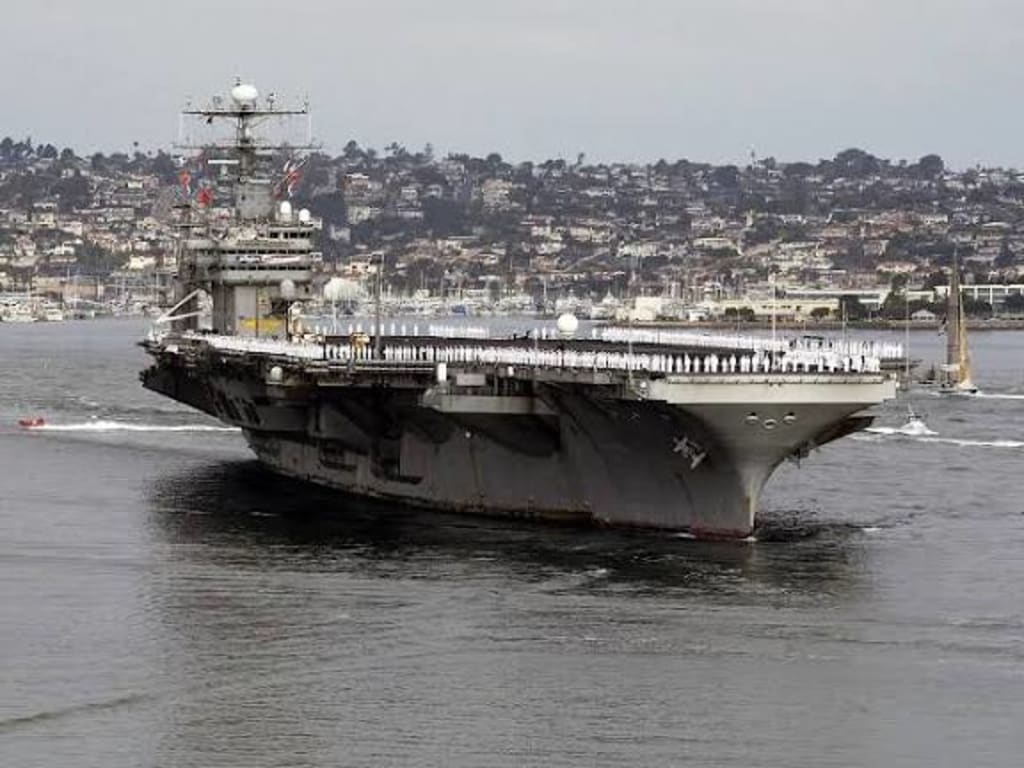
Advanced naval tactics keep aircraft carriers one step ahead
The USS Abraham Lincoln, one of the United States Navy’s most advanced aircraft carriers, is not just a floating fortress—it is also a master of electronic deception and stealth tactics. With rising tensions in the Persian Gulf, analysts are examining how the carrier can confuse Iranian surveillance and maintain operational security while projecting power in sensitive regions.
Through a combination of ghost mode maneuvers, electronic spoofing, and advanced radar countermeasures, the USS Abraham Lincoln can operate effectively in contested waters while minimizing risk to its crew and aircraft.
Understanding “Ghost Mode”
Ghost mode is a term used to describe maneuvers that make a ship less visible to enemy radar and tracking systems. Techniques include:
Adjusting speed and heading to reduce detectability
Using radar-absorbent materials or coatings
Operating in ways that blend with natural sea clutter
For Iran’s surveillance systems, a carrier in ghost mode becomes harder to track, creating uncertainty about its location and intended operations. This can provide a strategic advantage, especially in regions where adversaries rely heavily on radar and satellite intelligence.
Electronic Spoofing Explained
Electronic spoofing involves sending false signals to enemy sensors, making them believe a ship is somewhere it is not. The USS Abraham Lincoln can deploy:
Decoy signals that mimic radar reflections from a larger or smaller vessel
Simulated electronic footprints that confuse tracking systems
Jamming or misleading communications to prevent accurate detection
By combining these measures, the carrier can mask its movements and protect high-value operations from surveillance and targeting.
Why These Tactics Matter
In the Persian Gulf and surrounding waters, tensions between the US and Iran have been high due to regional conflicts, strategic chokepoints, and contested waters. Advanced surveillance technology allows Iran to monitor naval activity, but the Abraham Lincoln’s countermeasures reduce the risk of being tracked or targeted.
The benefits of these tactics include:
Crew Safety – By avoiding detection, the ship reduces the risk of missile or drone attacks.
Operational Flexibility – Commanders can plan exercises or patrols without revealing intentions.
Strategic Advantage – Confusing adversaries forces them to allocate more resources to tracking, creating openings for US operations elsewhere.
Integration with Carrier Capabilities
The USS Abraham Lincoln is equipped with advanced radar, sensors, and aircraft, which all contribute to its ability to operate in contested environments. Ghost mode and electronic spoofing are integrated with:
Fighter jet sorties for surveillance and defense
Electronic warfare aircraft that extend the carrier’s reach and disrupt adversaries
Communication networks that remain secure while spoofing enemy systems
These combined capabilities allow the carrier to project power while staying largely undetected.
Regional Implications
For Iran, the presence of a stealthy and deceptive carrier can complicate decision-making and risk assessment. Surveillance systems may indicate a threat where none exists or fail to detect real operations.
Experts note that these tactics are part of a broader strategy of deterrence, signaling that the US can maintain superiority without direct confrontation. They also emphasize that such operations help protect vital shipping lanes and allied interests in the region.
The Role of Electronic Warfare
Electronic warfare (EW) plays a central role in the Abraham Lincoln’s ability to confuse surveillance. EW capabilities allow the carrier to:
Jam or disrupt radar systems
Deploy decoys to mimic ship movements
Communicate securely while creating false signals for adversaries
In modern naval conflict, EW can be as important as traditional firepower, allowing forces to operate undetected and maintain the upper hand in high-risk scenarios.
Training and Operational Readiness
These tactics require highly trained personnel and coordination. Pilots, sailors, and electronic warfare specialists practice simulated scenarios to ensure the ship can respond to real-world threats.
Routine exercises test the carrier’s ability to:
Confuse multiple radar systems simultaneously
Operate in high-density maritime environments
Coordinate with escort ships and aircraft while maintaining stealth
By continuously refining these skills, the USS Abraham Lincoln remains ready for unpredictable regional tensions.
Global Significance
While this discussion focuses on Iran, the techniques used by the Abraham Lincoln are relevant globally. Modern aircraft carriers operate in regions where adversaries may have advanced surveillance, and the ability to mask movements and protect assets is a critical component of national security.
Allies also benefit indirectly, as the carrier’s presence and capability enhance maritime security and strategic stability across key trade routes and international waters.
Conclusion
The USS Abraham Lincoln demonstrates that modern naval power is more than firepower—it’s information, deception, and technology. Ghost mode and electronic spoofing allow the carrier to confuse adversaries like Iran, protect its crew and aircraft, and maintain operational flexibility in sensitive regions.
As surveillance technology advances worldwide, the importance of electronic warfare, stealth tactics, and strategic training will continue to grow. For the US Navy, combining these capabilities ensures that carriers like the Abraham Lincoln remain formidable, adaptable, and ready for any challenge on the high seas.
About the Creator
Fiaz Ahmed
I am Fiaz Ahmed. I am a passionate writer. I love covering trending topics and breaking news. With a sharp eye for what’s happening around the world, and crafts timely and engaging stories that keep readers informed and updated.
Keep reading
More stories from Fiaz Ahmed and writers in The Swamp and other communities.
American Warship Begins Patrol of European Waters
US Navy strengthens presence amid rising geopolitical tensions An American warship has begun a routine patrol of European waters, marking the latest in a series of naval deployments aimed at maintaining stability and supporting allied nations. Officials say the patrol is part of the US Navy’s ongoing commitment to regional security, freedom of navigation, and maritime readiness. The deployment comes amid heightened attention to European security, with recent tensions in the region prompting closer cooperation between the United States and NATO allies. Details of the Patrol The warship, identified by officials as part of the US Navy’s Atlantic Fleet, departed from its home port earlier this week and is scheduled to operate in key strategic areas. The ship will conduct training exercises, maritime surveillance, and joint operations with allied navies during its deployment. Patrols like this are routine but strategically significant. They allow the Navy to monitor maritime traffic, respond quickly to potential threats, and demonstrate commitment to allies. Why European Waters Are Important European waters are home to some of the busiest shipping lanes in the world, connecting major economies and supporting global trade. In addition, the region has been central to NATO operations and multinational military exercises for decades. Maintaining a US naval presence in these waters helps: Ensure freedom of navigation in international waters Support allied nations in joint exercises and strategic planning Respond quickly to potential security threats or emergencies Analysts note that these patrols are not only defensive but also serve as a signal of deterrence to any actors who might threaten regional stability. Strengthening Ties With Allies During the patrol, the warship will participate in joint exercises with NATO and other European partners. These exercises focus on: Maritime defense coordination Anti-submarine operations Search and rescue drills Cybersecurity measures for naval operations Officials emphasize that working closely with allies ensures interoperability and readiness across nations, which is essential in responding to regional crises or conflicts. Routine Operations With Strategic Importance While this patrol is described as routine, its timing carries strategic weight. European security concerns, particularly in areas near Eastern Europe and the North Atlantic, have increased in recent years. The deployment demonstrates the US commitment to collective security agreements and reassures partners that maritime cooperation remains strong. In addition to patrolling and exercises, the ship will also gather intelligence on maritime conditions and shipping patterns, which helps the Navy maintain situational awareness. Technology and Capabilities of the Warship Modern US Navy warships are equipped with advanced radar systems, sensors, and communication technologies that allow them to operate effectively across vast ocean regions. This particular ship also carries: Missile defense systems Anti-air and anti-ship capabilities Advanced sonar for submarine detection Helicopter and drone support for reconnaissance These capabilities enable the vessel to respond to multiple threats simultaneously, making it a versatile asset for both defense and deterrence. Impact on Regional Security Analysts say that visible US naval presence in European waters can: Deter potential aggression by signaling military readiness Provide reassurance to allies about US commitments under NATO Encourage cooperation and dialogue among regional actors While no immediate threats have been reported, the patrol underscores the importance of proactive defense measures. Community and Environmental Considerations US Navy deployments also follow strict environmental and safety guidelines. Activities are coordinated to minimize disruption to civilian shipping and marine ecosystems. Officials note that training exercises and patrols are planned with careful attention to environmental impact. Moreover, ports and coastal communities benefit from occasional resupply stops, which bring economic activity and logistical support to the region. Looking Ahead The patrol is expected to last several weeks, during which the warship will complete its scheduled operations and participate in joint drills with European navies. Analysts believe that such deployments are likely to continue as part of the US’s long-term strategy to maintain a secure and stable maritime environment in Europe. Military observers note that routine patrols like this are crucial for preparedness, providing real-world experience for crews while supporting diplomatic and defense objectives. Conclusion The US Navy’s patrol of European waters is a clear demonstration of commitment to allied security, maritime readiness, and strategic presence. While described as routine, the deployment carries significant weight amid global geopolitical uncertainties. By maintaining a visible presence, conducting joint exercises, and ensuring readiness, the Navy strengthens both regional stability and international cooperation. For allied nations and global observers alike, the patrol highlights the enduring importance of a well-prepared and responsive naval force.
By Fiaz Ahmed about 6 hours ago in The Swamp
$5,000 Gold Beats 1999 Central Bank Shock, Silver Strongest Since Hunt Brothers’ Corner
A Historic Moment for Precious Metals The global financial markets are witnessing a moment that many analysts once considered unthinkable: gold breaking the $5,000 per ounce barrier, surpassing the shock levels seen during the 1999 central bank gold sell-off, while silver posts its strongest performance since the Hunt brothers’ attempted market corner in 1980.
By Aarif Lashariabout 9 hours ago in The Swamp
Everyone’s Saying the Same Thing About Trump’s Board of Peace Logo
When former U.S. President Donald Trump unveiled the logo for his newly announced Board of Peace, it was meant to project authority, stability, and international cooperation. Instead, the logo quickly became the center of online debate, satire, and criticism. Across social media platforms, design forums, and political commentary spaces, people kept repeating the same observation: it looks suspiciously familiar.
By Muhammad Hassana day ago in The Swamp
The Duelist
The rays of a dying red sun flashed against the onrushing blade. The grey beards say the key to dueling lies in size, speed, reach, righteous fury, whatever the person in front of them pays them to say. Matteo knew better than any it was none of these and had an undefeated record on these sands to prove it.
By Matthew J. Fromm2 days ago in Fiction



Comments
There are no comments for this story
Be the first to respond and start the conversation.