
White Label Debit Cards: A Comprehensive Guide to Branding and Customer Engagement
White Label Debit Cards
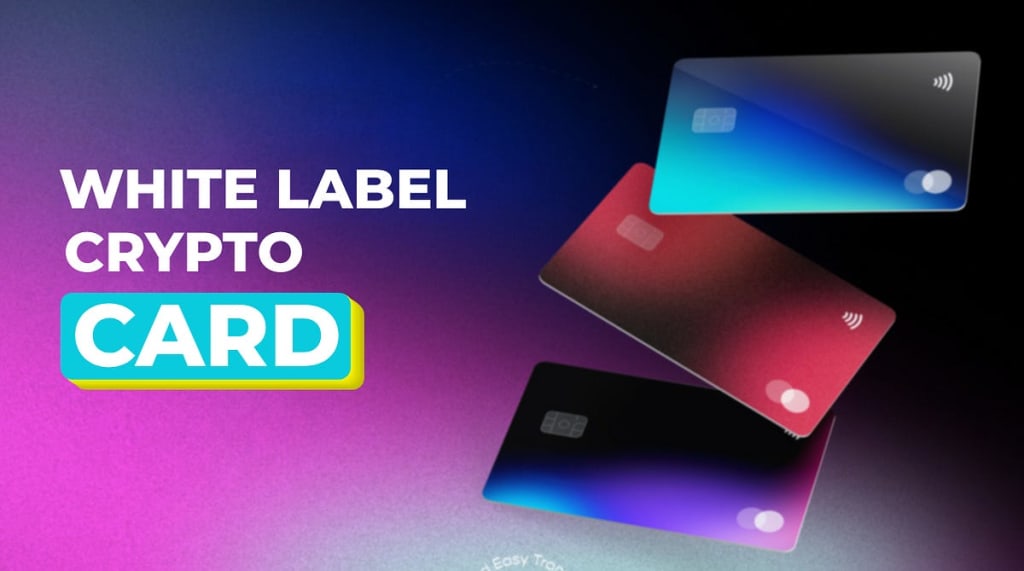
White label debit cards are custom-branded payment cards issued by financial or payment service providers on behalf of businesses. Unlike traditional debit cards, white label debit cards allow a company to add its own branding, logo, and design to the card, creating a unique experience for their customers. These cards function just like regular debit cards, allowing users to make purchases, withdraw cash, and transfer funds—while providing an excellent branding opportunity for businesses across industries.
2. Benefits of White Label Debit Cards for Businesses
White label debit cards bring a wealth of benefits to businesses, primarily in brand visibility and customer loyalty. By offering a branded card, companies can increase brand awareness every time the card is used. It also enhances customer loyalty, as users associate the convenience and benefits of the card with the business. Additionally, companies can earn revenue through transaction fees or partner incentives, creating a new stream of income. Whether used for payroll, customer rewards, or gift cards, white label debit cards offer significant flexibility and marketing value.
3. How White Label Debit Cards Work
White label debit cards are typically provided by third-party payment processors or fintech companies that handle the technical and regulatory requirements of card issuance. When a business decides to offer a white label debit card, the provider takes care of the backend processes, including card issuance, payment processing, and regulatory compliance. This setup allows businesses to avoid complex financial infrastructure while maintaining the ability to offer customers a fully branded debit card. Users of the card can load funds onto it, which they can then spend as they would with any regular debit card.
4. Types of White Label Debit Cards
There are several types of white label debit cards that businesses can choose from, depending on their needs:
Reloadable Debit Cards: Users can continuously load funds onto these cards, ideal for payroll, rewards programs, or travel expenses.
Prepaid Gift Cards: Often used as promotional tools, these cards are preloaded with a fixed amount and are non-reloadable, making them perfect for one-time use or limited incentives.
Virtual Debit Cards: These digital-only cards can be used for online purchases, offering a secure and convenient alternative to physical cards.
Each type has specific advantages and can be customized to fit the business's objectives and user base.
5. Industries That Benefit from White Label Debit Cards
Various industries can benefit from incorporating white label debit cards into their customer offerings. In the retail industry, they can serve as gift cards or loyalty rewards, encouraging repeat business. For fintech companies, white label debit cards can extend financial services without needing a banking license. In travel and hospitality, these cards can be used as travel wallets or for loyalty programs, enhancing the customer experience. Even nonprofits can use white label cards to distribute funds, such as for disaster relief or charity donations, ensuring seamless and efficient disbursement.
6. Key Features of a Successful White Label Debit Card Program
To create a successful white label debit card program, companies should focus on several key features. Customization is essential, allowing the card to reflect the company’s brand. Security is also critical, so choose a provider that uses the latest encryption and fraud prevention technologies. Customer support should be accessible and reliable, as any issues with the card could affect the user's trust in the brand. Lastly, ease of use and reload options make a big difference; offering convenient reloading methods such as direct deposit or bank transfers can increase card utility and customer satisfaction.
7. The Technology Behind White Label Debit Cards
White label debit cards leverage advanced technology to ensure seamless transactions and robust security. Payment networks like Visa and Mastercard facilitate acceptance at millions of merchants worldwide, providing a smooth user experience. Additionally, tokenization and two-factor authentication enhance security by protecting user data. Many providers also use API integration, allowing businesses to seamlessly connect the card program with their existing platforms, whether it's a mobile app, website, or POS system. These technologies ensure that white label debit cards are both user-friendly and secure.
8. How to Choose the Right White Label Debit Card Provider
Selecting the right provider is essential for a successful white label debit card program. Look for a provider with a strong reputation and experience in the industry, as this ensures they understand regulatory requirements and customer expectations. Assess the customization options they offer, as some providers may have limited design flexibility. Ensure they comply with PCI-DSS (Payment Card Industry Data Security Standard) regulations for secure transactions. Lastly, consider their customer service quality—responsive support can make a difference if issues arise with the cards.
9. White Label Debit Cards vs. Co-Branded Cards: What’s the Difference?
White label and co-branded cards both offer branding opportunities, but they serve different purposes. White label cards are entirely branded by the issuing company, giving full control over design and branding. Co-branded cards, on the other hand, are typically a partnership between a business and a financial institution, often displaying both brand logos. While co-branded cards offer more immediate financial backing and reach, white label cards offer greater customization and flexibility for companies looking to deepen customer loyalty and control their brand experience.
10. Future Trends in White Label Debit Cards
As digital payments continue to rise, white label debit cards are evolving to offer even more features and benefits. We’re seeing increased adoption of virtual cards, enabling secure online transactions without the need for a physical card. Blockchain technology is also being explored to add security layers and speed up transactions. Many white label providers are now integrating mobile wallet compatibility, allowing users to add their cards to apps like Apple Pay and Google Pay. This trend points toward a future where white label debit cards offer even more convenience, security, and integration possibilities for both businesses and consumers.
11. Conclusion
White label debit cards are more than just payment tools—they’re powerful branding assets that deepen customer loyalty and offer new revenue opportunities. By leveraging third-party providers, businesses can launch customized card programs without needing extensive financial expertise. Whether for customer rewards, payroll, or simply a branded payment solution, white label debit cards can elevate a brand’s presence and enhance customer experience. As technology continues to advance, white label debit cards will likely become an even more integral part of branding and customer engagement strategies across industries.
About the Creator
Bitcoin Dominance Explained: What It Is & Why It Matters for Crypto Traders
Introduction Bitcoin dominance is one of the most watched indicators in the crypto market. It shows how much of the total cryptocurrency market value belongs to Bitcoin compared to all other cryptocurrencies combined. Traders, long-term investors, and analysts track this metric because it helps explain capital rotation, market sentiment, and risk appetite across crypto cycles.
By saif ullahabout 9 hours ago in The Chain
Crypto 30x: Can Bitcoin Still Deliver Exponential Returns?
Introduction When traders talk about crypto 30x, the conversation usually drifts toward obscure altcoins, meme tokens, or early-stage projects with questionable fundamentals. Bitcoin, by contrast, is often dismissed as “too big” or “already mature” to generate exponential returns. But history tells a more nuanced story. Bitcoin has delivered multiple 30x-style cycles over its lifetime — not overnight, but through long-term adoption, monetary shifts, and supply-driven scarcity.
By saif ullah7 days ago in The Chain
Silver Screen Magic with Mae West
American actress and singer Mae West became a popular film actress during the Great Depression. She started entertaining in vaudeville, then performed on Broadway, and finally went to Hollywood. She signed up with Paramount Pictures and made her debut in the 1932 film “Night After Night.” She also starred in musicals, comedies, and crime dramas. The American Film Institute named her one of the best classic Hollywood actresses.
By Rasma Raisters4 days ago in Geeks




Comments
There are no comments for this story
Be the first to respond and start the conversation.