
Enterprise Crypto Wallets: Essential Guide to Security and Management for Businesses
Enterprise Crypto Wallets
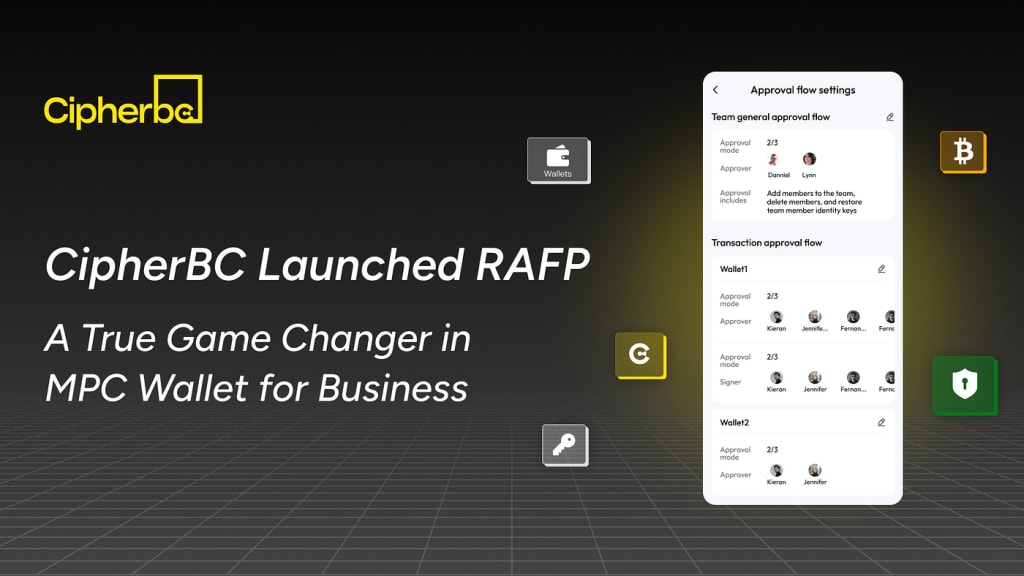
As cryptocurrency adoption rises across industries, companies are increasingly turning to enterprise crypto wallets to manage their digital assets securely. Unlike standard wallets for individual users, enterprise crypto wallets offer enhanced security, multi-user access, and regulatory compliance features tailored to the needs of businesses. This guide explores how enterprise wallets function, why they’re essential, and what features to look for when integrating a crypto wallet into your organization.
2. Key Features of Enterprise Crypto Wallets
Enterprise crypto wallets are designed with features that align with organizational requirements, such as multi-signature authorization, which ensures transactions require approval from several team members, and robust security protocols to guard against unauthorized access. Other essential features include role-based permissions, transaction monitoring, and integration with compliance tools, which help organizations meet regulatory requirements. These features provide companies with the necessary control, security, and flexibility for efficient crypto management.
3. Benefits of Using an Enterprise Crypto Wallet
For businesses dealing with digital assets, an enterprise wallet provides unparalleled security and operational efficiency. With multi-signature approval processes and real-time tracking, companies can minimize risks associated with fraud and internal errors. These wallets also streamline large-scale transactions and enhance auditability by recording all activity, making it easier to comply with financial regulations. The ability to set user permissions further helps companies control access based on roles, reducing the likelihood of unauthorized asset transfers.
4. Types of Enterprise Crypto Wallets: Hot, Cold, and Custodial Solutions
Enterprise wallets come in various forms—hot wallets, cold wallets, and custodial wallets—each suited to specific business needs. Hot wallets, connected to the internet, are ideal for companies needing frequent access to funds, while cold wallets, kept offline, provide maximum security for long-term holdings. Custodial wallets, managed by third parties, offer a balance by handling security and compliance, ideal for organizations new to crypto. Understanding the differences helps businesses choose the best option based on their security requirements and asset management strategies.
5. Security and Compliance Considerations
Security is paramount for any enterprise handling cryptocurrency, as cyber threats are a constant concern. Enterprise crypto wallets employ encryption, private key segmentation, and multi-signature authorizations to bolster defenses. Compliance with local and international regulations, like AML (Anti-Money Laundering) and KYC (Know Your Customer) standards, is also critical. Many wallets now offer built-in compliance features, enabling businesses to meet regulatory requirements seamlessly, avoiding potential fines and legal challenges.
6. Choosing the Right Enterprise Crypto Wallet Provider
Selecting a wallet provider requires careful consideration of security, customer support, scalability, and integration capabilities. A good provider should offer advanced security features, such as end-to-end encryption and private key protection, along with excellent customer support to handle any technical issues. Additionally, as companies scale, they need a wallet that can accommodate an increasing volume of transactions and integrate with other financial tools. Evaluating providers on these criteria can help businesses make a secure and practical choice.
7. Implementing an Enterprise Crypto Wallet: Best Practices
When introducing a crypto wallet, it’s essential to establish strict access control policies and train employees on security measures. Regularly auditing wallet activity, setting up transaction alerts, and implementing multi-signature approvals are key practices that enhance security. Clear protocols for private key storage and recovery should also be established to prevent asset loss. By following these best practices, businesses can ensure their crypto assets remain secure while maximizing wallet efficiency.
8. The Future of Enterprise Crypto Wallets
With advancements in blockchain and security technology, enterprise wallets are evolving rapidly. Upcoming features may include AI-driven fraud detection, seamless cross-chain functionality, and improved integration with traditional banking systems. As regulatory frameworks around cryptocurrency continue to develop, enterprise wallets are expected to adapt, providing businesses with more compliance-friendly and innovative solutions for asset management.
Conclusion: Maximizing Security and Efficiency with Enterprise Crypto Wallets
Enterprise crypto wallets are more than just storage solutions; they’re essential tools for securing and managing digital assets in a corporate environment. By choosing the right wallet and implementing best practices, businesses can protect their crypto investments, enhance operational efficiency, and stay compliant in an ever-evolving regulatory landscape. Whether your organization is new to digital assets or already active in the space, a well-chosen enterprise wallet is key to secure, scalable crypto management.
About the Creator
Blockchain in Intellectual Property: How It’s Changing Ownership, Protection, and Licensing
Introduction Intellectual property (IP) is one of the most valuable assets in the modern economy. From music, films, and books to patents, trademarks, and software code, creators and businesses rely on IP laws to protect their work. However, traditional intellectual property systems are often slow, expensive, and difficult to enforce—especially in the digital age.
By saif ullaha day ago in The Chain
Is Bitcoin a Good Investment? A Clear, Honest Look
Introduction Is Bitcoin a good investment? This question has been asked by beginners, professionals, skeptics, and institutions alike. Some see Bitcoin as the future of money. Others see it as risky and unpredictable. The truth lies somewhere in between.
By saif ullah3 days ago in The Chain




Comments
There are no comments for this story
Be the first to respond and start the conversation.