
Understanding Self-Custody Wallets: Managing Your Own Digital Assets
Self-Custody Wallets
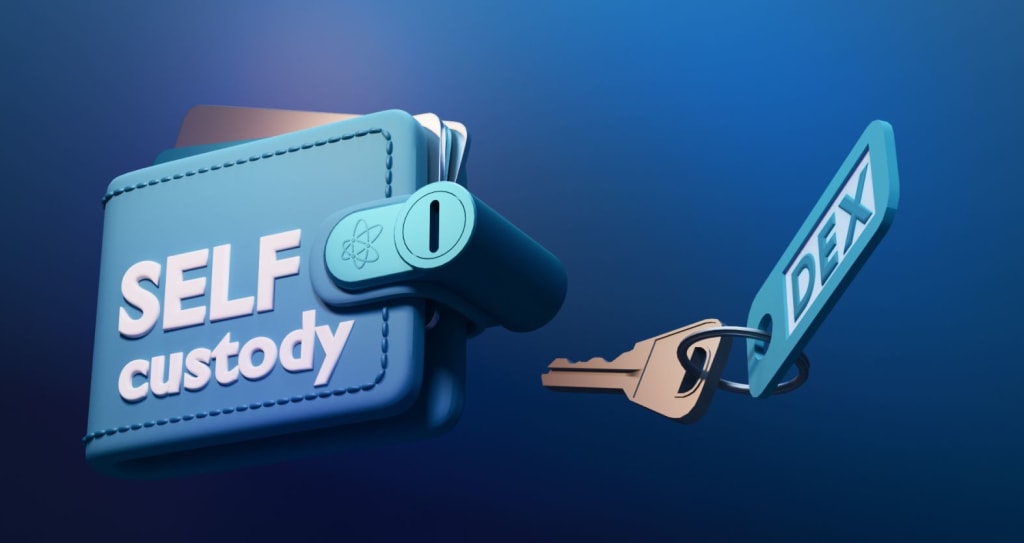
A self-custody wallet, also known as a non-custodial wallet, is a type of digital wallet where the user has full control and ownership over their private keys, and by extension, their digital assets. Unlike custodial wallets, where a third-party provider holds private keys, self-custody wallets enable users to independently manage their funds without relying on intermediaries. This offers enhanced privacy and control, empowering users to truly own their assets.
How Self-Custody Wallets Work
Self-custody wallets generate and store a user’s private keys on their device, which grants access to their funds on the blockchain. These wallets use cryptographic technology to secure assets, meaning that as long as the user safeguards their private key or recovery phrase, they can access their assets from any compatible device. However, if the private key is lost or compromised, access to the funds is irretrievable—making security practices essential.
Types of Self-Custody Wallets
Self-custody wallets come in various forms, including software wallets (desktop or mobile apps), hardware wallets (physical devices), and paper wallets (physical printouts of private and public keys). Software wallets are convenient for frequent transactions, while hardware wallets are highly secure and popular among long-term holders. Paper wallets offer offline storage but can be prone to physical loss or damage.
Benefits of Self-Custody Wallets
The main advantage of a self-custody wallet is that it offers full control and privacy. Since there is no third-party involvement, users aren’t vulnerable to risks like exchange hacks or platform shutdowns. Additionally, self-custody wallets align with the decentralized principles of blockchain technology by allowing individuals to manage their own funds. They also provide privacy, as users don’t need to undergo lengthy verification processes common with custodial wallets.
Challenges and Risks of Self-Custody Wallets
While self-custody wallets offer security and independence, they also carry risks. Users are solely responsible for safeguarding their private keys and recovery phrases, as losing them means permanent loss of funds. Additionally, self-custody wallets may lack customer support if issues arise. Security threats like phishing attacks or malware targeting private keys make it crucial for users to practice good security hygiene, such as using offline storage and enabling two-factor authentication.
Setting Up a Self-Custody Wallet
To set up a self-custody wallet, users typically download a software wallet app or set up a hardware wallet. During setup, they’ll receive a private key or recovery phrase, which should be securely stored offline. It’s essential to back up this phrase, as it’s the only way to restore access to the wallet if the device is lost or damaged. For added security, many users opt to write down the recovery phrase and store it in a safe place, rather than saving it digitally.
Security Tips for Managing a Self-Custody Wallet
To ensure the safety of a self-custody wallet, users should adopt practices such as using secure passwords, enabling two-factor authentication, and avoiding public Wi-Fi when accessing their wallets. For hardware wallets, always purchase from a reputable source to avoid tampered devices. It’s also recommended to use multiple forms of backup and stay cautious of phishing scams that may attempt to steal private keys.
Self-Custody Wallets vs. Custodial Wallets
In a custodial wallet, a third-party provider, like a crypto exchange, holds the private keys, meaning they control the user’s assets. Self-custody wallets differ by giving the user complete ownership. While custodial wallets are convenient and provide customer support, they expose users to risks if the provider faces hacks, legal issues, or freezes accounts. Self-custody wallets, in contrast, emphasize independence but demand greater responsibility and diligence.
The Role of Self-Custody Wallets in Decentralized Finance (DeFi)
Self-custody wallets are essential for interacting with decentralized finance (DeFi) platforms, as DeFi protocols often require users to connect their own wallets. These wallets enable users to lend, borrow, and earn yield on assets directly from DeFi platforms, reinforcing the decentralized and trustless nature of DeFi. By using self-custody wallets, users can retain control over their funds while engaging with DeFi without the need for a central authority.
Choosing the Right Self-Custody Wallet
Selecting a self-custody wallet depends on factors like security needs, transaction frequency, and the types of assets held. Hardware wallets like Ledger and Trezor are best for long-term holders prioritizing security, while software wallets like MetaMask and Trust Wallet offer flexibility for users frequently trading or using DeFi applications. Comparing features like user interface, compatibility with different blockchains, and customer reviews can help users make an informed choice.
Future of Self-Custody Wallets and Evolving Technology
The future of self-custody wallets is evolving as developers work on improving usability, security, and integration with new blockchain technologies. Multi-signature wallets, which require multiple parties to approve transactions, and Multi-Party Computation (MPC) wallets are being explored to increase security for self-custody solutions. These advances aim to make self-custody wallets more accessible to a broader audience, balancing the need for control with enhanced security.
Is a Self-Custody Wallet Right for You?
Self-custody wallets are ideal for those who prioritize privacy, security, and independence in managing their digital assets. However, they require a commitment to secure key management and familiarity with best security practices. For individuals confident in handling these responsibilities, self-custody wallets provide unmatched control. However, users who prefer support and a more hands-off approach may opt for custodial wallets with managed security.
About the Creator
Blockchain Security: Ultimate Guide for Secure Trading & Tech
Introduction Blockchain technology has reshaped how Australians trade digital assets, manage data, and build decentralised applications. From crypto trading platforms to DeFi protocols and enterprise solutions, blockchain promises transparency, immutability, and trust. However, despite popular belief, blockchain systems are not immune to security risks. High-profile hacks, flawed smart contracts, and compromised private keys have resulted in billions of dollars lost globally, making blockchain security a top priority for traders and developers alike .
By saif ullah7 days ago in The Chain
Blockchain in Intellectual Property: How It’s Changing Ownership, Protection, and Licensing
Introduction Intellectual property (IP) is one of the most valuable assets in the modern economy. From music, films, and books to patents, trademarks, and software code, creators and businesses rely on IP laws to protect their work. However, traditional intellectual property systems are often slow, expensive, and difficult to enforce—especially in the digital age.
By saif ullahabout 11 hours ago in The Chain




Comments
There are no comments for this story
Be the first to respond and start the conversation.