
Australia Waterproof Textiles Market: Performance Fabrics, Outdoor Demand & the Future of Protective Materials
How innovation in technical fabrics, apparel design and durability standards is strengthening Australia’s waterproof-textile industry
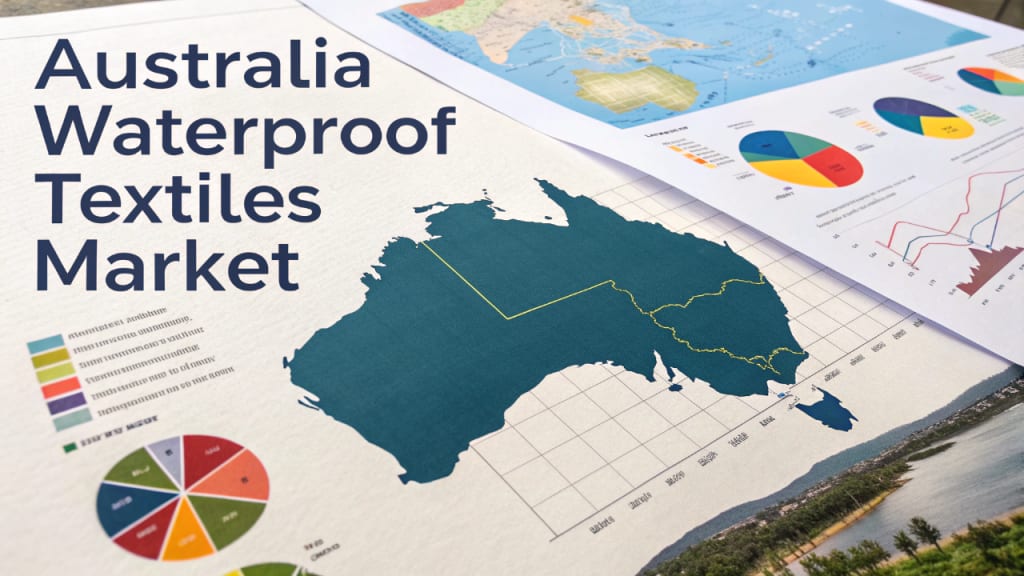
The Australia waterproof textiles market reached USD 54.19 million in 2024, and according to the IMARC Group is projected to reach USD 91.40 million by 2033, representing a CAGR of 5.98% over 2025–2033. This growth is being driven by rising demand for high-performance, weather-resistant fabrics across apparel, outdoor gear, industrial use, and protective clothing — as consumers and industries increasingly prioritize functionality, durability and environmental resilience. Advances in membrane technology, sustainable coatings and fabric engineering are redefining what “waterproof” means, while changing lifestyles — including more outdoor recreation, travel, and variable climate conditions — are driving demand for versatile, protective textiles.
What is the Australia Waterproof Textiles Market Key Growth Drivers?
Innovation in Material Technology & Performance Fabrics
New developments — such as breathable membranes, improved coatings, laminated fabrics and advanced chemical treatments — have enhanced water resistance, comfort, durability, and breathability. As per IMARC, these advances allow waterproof textiles to deliver “weather-resistant yet wearable” performance, widening their appeal across apparel, outdoor and industrial segments.
Rising Popularity of Outdoor, Adventure & Active Lifestyles
Australia’s strong culture of outdoor sports, adventure, hiking, camping, marine and coastal activities increases demand for waterproof garments, footwear and gear. Whether for rainwear, windproof jackets, waterproof footwear or marine and sailing wear — waterproof textiles are essential for protection in changing weather, driving steady consumer demand.
Growing Industrial & Workwear Safety Requirements
Beyond leisure apparel, waterproof fabrics are increasingly used in industrial settings — workwear, uniforms, outdoor labour, protection for construction and mining workers — where safety, water resistance, durability and protection from elements matter. This industrial demand supplements consumer market growth, broadening the use-cases of waterproof textiles.
Sustainability, Eco-friendly Coatings & Environmental Consciousness
Environmental awareness and regulatory pressure push textile makers to adopt sustainable, low-impact coatings and production processes (e.g., water-based coatings, recyclable membranes, less-toxic waterproofing agents). Waterproof textile producers in Australia are responding to this by developing more eco-conscious products — helping attract consumers who value sustainability alongside performance.
Fashion, Functional Apparel & Shift Toward Versatile Outerwear
Consumers increasingly want clothing that blends style with utility — waterproof jackets, breathable rainwear, activewear and outerwear that work both for daily use and for adventurous or unpredictable weather. This blending of function + fashion expands market reach beyond hardcore outdoor-lovers into urban consumers looking for practical, stylish, weather-ready clothing.
Market Structure & Segmentation:
Raw Material Insights: Polyurethane, Expanded Polytetrafluoroethylene (ePTFE), Polyester, Polyether, Fluoropolymer, Nylon, Others
Fabric Type Insights: Dense Woven, Laminated or Coated Woven, Others
Application Insights: Membrane, Garments, Footwears, Gloves, Sails, Packaging, Sports Floors, Others
Regional Insights: Australia Capital Territory & New South Wales, Victoria & Tasmania, Queensland, Northern Territory & Southern Australia, Western Australia
Recent Trends & Developments in Australia Waterproof Textiles Market
September 2023: Researchers at Deakin University together with textile innovator Xefco unveiled a new “water-free” dyeing method called “Ausora” — a plasma-based coating process for fabrics. This innovation reduces water consumption and environmental impact while enabling waterproofing and durability — offering a sustainable alternative for waterproof textile production in Australia. This reflects a broader shift toward eco-friendly waterproof fabric solutions in the Australian market.
2024–2025 (recent reporting): The 2024 base-year for the market shows the Australia waterproof textiles market valued at USD 54.19 million. This baseline underscores that demand remains robust, driven by consumers and industries seeking waterproof, breathable, durable fabrics — especially for outdoor apparel, protective gear, and weather-resistant clothing.
2025 (ongoing trend): There is growing demand from outdoor, adventure, and active-lifestyle segments — hiking, camping, marine sports, and coastal recreation — fueling increased consumption of waterproof textiles in garments, outerwear, and gear. As waterproof + breathable + comfort fabrics become more widely available, product adoption spreads beyond niche outdoor communities to broader consumer segments — urban users, casual wear buyers, and everyday outerwear shoppers.
2025: Rising interest in eco-friendly coatings and sustainable material sourcing is influencing textile producers. Demand is increasing for waterproof fabrics manufactured with water-based coatings, recyclable or lower-impact polymers, and fabrics with reduced environmental footprint — reflecting consumers’ and regulators’ growing environmental awareness and aligning with global trends toward sustainable fashion and materials.
Why Should You Know About the Australia Waterproof Textiles Market?
The Australia waterproof textiles market — projected to nearly double from USD 54.19 M in 2024 to USD 91.40 M by 2033 — offers important opportunities at the intersection of performance apparel, outdoor lifestyles, industrial safety, and sustainability.
For entrepreneurs and textile-industry stakeholders, this market provides a compelling entry point: demand is growing across multiple segments (apparel, footwear, industrial gear), driven by both lifestyle and necessity. Investments in advanced membranes, breathable waterproof fabrics, and eco-friendly coatings can yield high utility and appeal, especially as consumers increasingly value both performance and environmental credentials.
For outdoor, adventure, and active lifestyle brands — as well as protective-gear and safety-wear manufacturers — waterproof textiles represent a strategic material backbone: offering weather resistance, comfort, versatility and compliance with safety/industrial standards. As climate variability increases and outdoor recreation remains a popular lifestyle choice in Australia, demand is likely to keep rising.
For sustainability-oriented businesses and consumers, waterproof textiles that leverage greener manufacturing methods, recyclable materials, or low-impact coatings present a way to reconcile protection and environmental responsibility. This aligns with global and local trends toward circular economy, responsible consumption, and ecological consciousness.
About the Creator
Keep reading
More stories from Shrestha Roy and writers in Styled and other communities.
Australia Wallpaper Market: Interior Design Trends, Home Renovation & the Rise of Premium Wall Coverings
The wallpaper market in Australia is quietly evolving into a core part of how people redesign and personalize their homes. According to the most recent data from IMARC Group, the market was valued at USD 46.00 million in 2024 and is projected to grow to USD 61.50 million by 2033, representing a CAGR of 3.28%.
By Shrestha Roy2 months ago in Lifehack
How To Dye A Wig?
Hey Sis! So you saw that fire honey-blonde balayage on TikTok, or maybe you’re feeling that midnight blue fantasy, but the thought of bleaching your own curls colored wigs has you saying, “Absolutely not.” I get it—our hair is our crown, and sometimes you don’t want to risk the throne.
By manman zhai6 days ago in Styled


Comments
There are no comments for this story
Be the first to respond and start the conversation.