
The Slow Fashion Revolution: How Handmade Accessories Are Changing Consumer Culture
Enter slow fashion: a movement that's not just about buying less, but buying better.

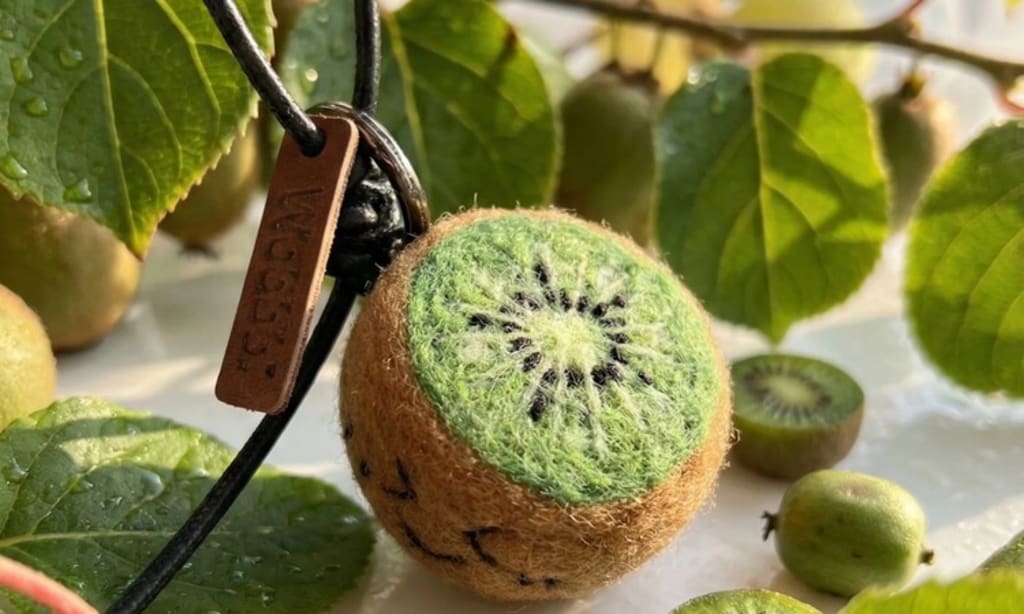
Small-batch brands like Woobbi are proving that sustainable style doesn't mean sacrificing personality, it means investing in pieces that actually matter.
The fashion industry has a waste problem. Americans alone throw away approximately 11.3 million tons of textile waste each year, with the average person discarding about 81 pounds of clothing annually. Fast fashion's promise of cheap, trendy accessories has created a cycle of consumption that's as damaging to the planet as it is unsatisfying to consumers who find themselves surrounded by things that don't last or bring real joy.
Enter slow fashion: a movement that's not just about buying less, but buying better. And nowhere is this philosophy more visible than in the rising popularity of handmade accessories from studios like Austin-based Woobbi, where every wool friend is crafted with intention, natural materials, and a lifespan measured in years, not seasons.
What makes slow fashion actually sustainable?
True sustainability in fashion isn't just about using organic materials, though that helps. It's about reimagining the entire production cycle. Slow fashion brands typically share several key characteristics: small-batch production that reduces overstock and waste, artisan craftsmanship that ensures durability, natural and biodegradable materials, minimal packaging (often plastic-free), and transparent supply chains.
Woobbi exemplifies this approach. Each needle-felted piece is handcrafted in small batches, meaning production is tied directly to demand rather than speculative overproduction. The studio uses only natural wool, fabric, metal, and leather, materials that will eventually biodegrade rather than sitting in landfills for centuries like their synthetic counterparts.
Perhaps most importantly, Woobbi's packaging is entirely plastic-free. In an industry where even "eco-friendly" brands often ship products wrapped in layers of plastic, this commitment matters. The brand uses recyclable cardboard and paper materials that can return to the earth without leaving a toxic footprint.
The true cost of cheap accessories
That $5 keychain from a fast fashion retailer might seem like a bargain, but its environmental cost is staggering. Most inexpensive accessories are made from synthetic materials like acrylic, polyester, and plasticm, all petroleum-based products that shed microplastics, resist decomposition, and require significant energy to produce.
The manufacturing process typically involves chemical dyes, toxic adhesives, and energy-intensive factory production, often in facilities with minimal environmental regulations. These items are designed for obsolescencem they'll break, fade, or fall apart within months, sending you back to the store to repeat the cycle.
Compare this to a Woobbi needle-felted bag charm. The wool is a renewable resource that requires minimal processing. The needle felting technique uses no water, chemicals, or electricity, just wool, needles, and skilled hands. The result is an accessory that can last for years with basic care, and when its life eventually ends, the natural materials will break down without harming the ecosystem.
Why handmade matters beyond aesthetics
There's something psychologically different about owning an object that was made by human hands. Research in consumer behavior shows that people form stronger emotional attachments to handmade items, which leads to longer ownership periods and less waste. When you know that someone spent hours carefully sculpting wool into a tiny sheep or bear, you're less likely to toss it aside when the next trend emerges.
This emotional connection is part of slow fashion's appeal. Woobbi's customers often describe their pieces as "friends" rather than accessories, they name them, photograph them on adventures, and display them proudly. This relationship with objects stands in stark contrast to the disposable mentality fast fashion encourages.
The handmade aspect also supports a more ethical economy. When you purchase from small studios, your money goes directly to artisans and small business owners rather than filtering through complex corporate structures. You're investing in someone's livelihood and craft, supporting a model of commerce that values people as much as profit.
Small batches, big impact
Woobbi's small-batch production model might seem inefficient compared to factory mass production, but it's actually revolutionary in its sustainability. By creating limited quantities, the studio eliminates the waste inherent in overproduction. There are no warehouses full of unsold inventory eventually destined for landfills or incinerators.
This approach also allows for quality control that's impossible at industrial scales. Each piece is inspected by the person who made it, ensuring that only items meeting high standards reach customers. This reduces returns and the environmental cost of shipping products back and forth.
The natural variations in handmade items, once considered flaws in our mass-production mindset, are now celebrated as marks of authenticity. No two Woobbi bunnies have exactly the same expression, and that uniqueness adds value rather than diminishing it.
The ripple effects of choosing slow fashion
When consumers choose slow fashion accessories, they're not just making a personal style statemen, they're voting with their wallets for a different kind of economy. Every purchase from a brand like Woobbi sends a signal to larger retailers that people value quality, sustainability, and craftsmanship.
This shift is already visible in market trends. Major fashion retailers are scrambling to add "sustainable" and "artisan" lines, though many struggle with greenwashing rather than genuine change. Meanwhile, small studios built on authentic slow fashion principles are seeing steady growth and fierce customer loyalty.
The environmental math is compelling: one well-made, natural fiber accessory that lasts five years has a fraction of the environmental impact of five cheap synthetic accessories purchased and discarded annually. Multiply that across millions of consumers, and the potential for positive change is enormous.
Making the switch to slow fashion
Transitioning to slow fashion doesn't mean throwing out everything you own, that would defeat the purpose. Instead, it's about making more intentional choices moving forward. Before purchasing an accessory, consider: Will I still want to use this in a year? Five years? What is it made from? How was it produced? Can I repair it if something breaks?
Brands like Woobbi make this easier by being transparent about their materials and process. Their website showcases not just finished products but the creation process itself, helping consumers understand the value they're receiving. The price point, while higher than fast fashion alternatives, reflects the true cost of sustainable, ethical production.
The future is slow
The slow fashion movement isn't about nostalgia or rejecting progress. It's about recognizing that the fastest, cheapest production methods often carry hidden costs that we're only now beginning to understand. By supporting small-batch artisans who use natural materials and traditional techniques, consumers can enjoy beautiful, unique accessories while minimizing their environmental impact.
Woobbi and studios like it represent a viable path forward, one where fashion can be both personal and planet-friendly, where accessories tell stories and build connections rather than piling up in landfills. In a world demanding faster everything, choosing slow fashion is a radical act of care, for ourselves, for artisans, and for the planet we all share.
The question isn't whether we can afford to embrace slow fashion. It's whether we can afford not to.
About the Creator
Keep reading
More stories from CEO A&S Developers and writers in Styled and other communities.
What Are Custom Top Tuck Boxes? Evaluate Sizes Styles and Printing Options
Custom top tuck boxes provide a functional yet visually appealing way to package merchandise. Among the many different ways to package items for a consumer, custom top tuck boxes are among the most flexible options today.
By CEO A&S Developers7 days ago in Styled
What to Wear to Engagement Ceremonies: Silk Salwar Suit Ideas
Engagement ceremonies are special, but they’re also slightly tricky to dress for. You want to look festive and polished, but not as heavy as you would for the wedding day itself. In 2026, many women are finding the perfect balance with silk salwar suits outfits that feel rich, graceful, and comfortable without going over the top.
By Amit Mandal4 days ago in Styled
Latest Women’s Fashion News: Trends Shaping Modern Style
Women’s fashion is undergoing a powerful transformation, shaped by changing lifestyles, global cultural influences, and a growing demand for individuality and responsibility. In recent years, fashion has moved beyond seasonal trends and has become a reflection of personal values, comfort, and confidence. The latest women’s fashion news highlights a dynamic industry where creativity meets practicality, and tradition blends seamlessly with modern innovation. From runways to street style, women’s fashion is redefining how style is perceived and worn across the world.
By duran lorena7 days ago in Styled


Comments
There are no comments for this story
Be the first to respond and start the conversation.