
When The Mind Won't Rest: What Causes Panic Attacks at Night?
Understanding Nocturnal Panic Attacks: Causes, Symptoms, and Effective Coping Strategies for Overcoming Nighttime Anxiety

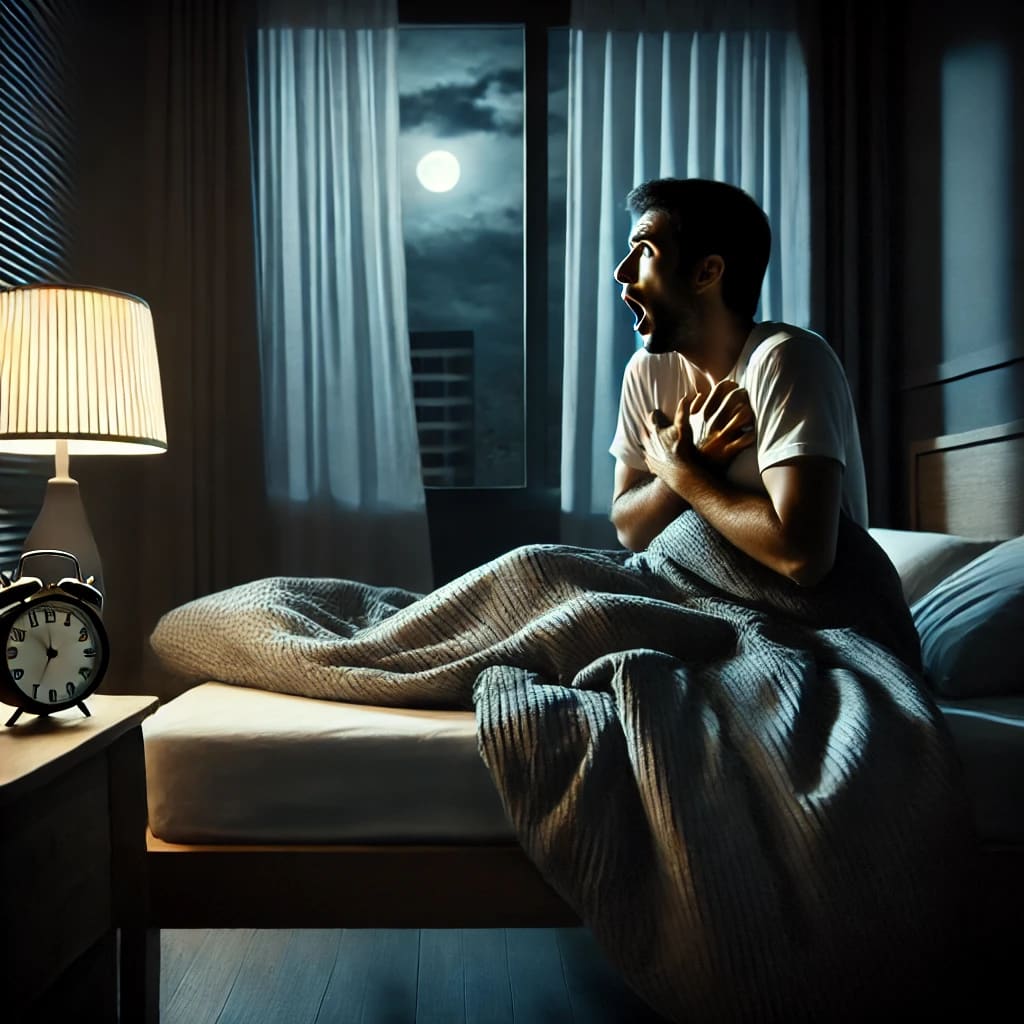
Panic attacks can be distressing, especially when they sneak up on you during sleep. If you’ve ever woken up suddenly in a state of intense fear or anxiety, you’re not alone. Panic attacks at night, also called nocturnal panic attacks, can leave you feeling disoriented, scared, and confused. But what causes these nighttime episodes, and how can they be managed? Let's dive into the world of nocturnal panic attacks and explore why they happen.
What Are Panic Attacks at Night?
Panic attacks at night occur during sleep and can wake you suddenly, often accompanied by symptoms like a racing heart, shortness of breath, or a sense of impending doom. Unlike daytime panic attacks, these episodes catch you off guard, occurring while you’re at rest.
Around 30% of individuals with panic disorder also experience nocturnal panic attacks, leading to disrupted sleep and anxiety about going to bed. Understanding why these attacks occur is key to managing them.
Why Do Panic Attacks Happen at Night?
There are various reasons why panic attacks occur during the night:
1. Stress and Anxiety
Daily stressors, whether personal or professional, can carry over into your sleep. Even when you’re unconscious, your mind may remain active, processing stress and anxiety that triggers these attacks.
2. Genetics
If there’s a family history of panic attacks or anxiety disorders, you may be more prone to experiencing panic attacks at night.
3. Sleep Disorders
Conditions like insomnia, sleep apnea, or restless leg syndrome can increase the likelihood of panic attacks during sleep by disrupting normal sleep patterns.
4. Medical Conditions
Underlying health issues, such as thyroid problems, can contribute to nighttime panic attacks by affecting the body’s internal balance.
5. Changes in Brain Chemistry
During sleep, the brain sometimes sends signals that something is wrong when there’s no real threat. This miscommunication can cause the body to go into “fight or flight” mode, resulting in a panic attack.
Who Is at Risk?
Certain individuals may be more vulnerable to nocturnal panic attacks, including:
Women: Studies show that women are more likely to experience panic attacks at night, possibly due to hormonal fluctuations and stress.
Smokers: Smoking can increase the risk of panic attacks as nicotine affects the brain's chemistry.
Those with a Family History of Anxiety: If anxiety or panic attacks run in your family, you may be more susceptible to experiencing them.
Individuals Facing Major Life Changes: Stressful transitions, such as moving, starting a new job, or going through a breakup, can heighten anxiety and increase the chance of nighttime panic attacks.
People with Mental Health Disorders: Those diagnosed with anxiety, PTSD, or depression are at higher risk for experiencing nocturnal panic attacks.
Impact of Panic Attacks at Night
The effects of nocturnal panic attacks extend beyond the episode itself. The fear of another attack can lead to sleep disturbances and increased anxiety during the day. These recurring episodes can cause:
Sleep deprivation: The fear of having an attack may prevent restful sleep, leading to fatigue.
Increased anxiety: Anticipating another attack can result in heightened daytime anxiety.
Negative coping mechanisms: Some individuals may turn to alcohol or drugs to calm their nerves before bed, which can worsen the issue in the long run.
Long-Term Health Consequences
If left unaddressed, nocturnal panic attacks can have serious long-term consequences on both mental and physical health. Repeated panic attacks can lead to:
Chronic Anxiety or Depression: The constant worry and fear can escalate into more severe mental health conditions.
Physical Health Concerns: Panic attacks strain the cardiovascular system and may contribute to health problems like high blood pressure.
Increased Risk of Suicide: The emotional toll of panic attacks can lead to feelings of hopelessness, making it crucial to seek help.
Managing Panic Attacks at Night
There are several strategies to help manage and prevent panic attacks during sleep:
1. Recognize the Signs
The first step is recognizing the signs of an attack. Panic attacks, while distressing, are not life-threatening. Understanding that can help ease the fear.
2. Focus on Breathing
During a panic attack, slow and deep breathing can help calm your body and mind.
3. Grounding Techniques
Holding a familiar object or focusing on something in your environment can help ground you in reality and alleviate the panic.
4. Journal Your Experiences
Writing down your feelings and experiences after an attack can help you identify triggers and patterns.
Seeking Professional Help
If panic attacks at night become frequent, it’s important to seek professional guidance. A licensed therapist, such as Janneta K. Bohlander, can offer treatments that address the root cause of your panic attacks.
Diagnosis
A healthcare professional can rule out other medical conditions that might be contributing to your symptoms and develop a treatment plan tailored to your needs.
Therapies for Nocturnal Panic Attacks
Several effective therapies can help manage panic attacks at night:
Cognitive Behavioral Therapy (CBT): Helps reframe negative thought patterns that may be contributing to panic attacks.
Dialectical Behavioral Therapy (DBT): Focuses on mindfulness and emotional regulation.
EMDR (Eye Movement Desensitization and Reprocessing): A therapy designed to reduce the distress associated with traumatic memories, which may be contributing to panic attacks.
Biofeedback: Teaches you how to control physical symptoms of stress, like heart rate and breathing, which can prevent panic attacks.
Internal Family Systems (IFS): Helps you explore and resolve inner conflicts that may be contributing to anxiety.
Preventing Panic Attacks at Night
Prevention is key when dealing with nocturnal panic attacks. Here are a few strategies:
Maintain a Healthy Lifestyle: Regular exercise and a balanced diet can help reduce anxiety.
Practice Relaxation Techniques: Incorporating relaxation exercises like meditation, deep breathing, or yoga can lower stress levels.
Improve Sleep Hygiene: Create a comfortable, calming sleep environment, and establish a consistent bedtime routine.
Limit Stimulants: Reduce caffeine and alcohol intake, which can trigger anxiety and disrupt sleep.
When to Seek Help?
If your panic attacks are worsening or difficult to manage on your own, it’s time to seek professional help. Therapy and medical support can make a significant difference in managing nocturnal panic attacks and improving overall mental health.
About the Creator
Janneta Bohlander
Janneta K. Bohlander is a dedicated licensed psychotherapist with over two decades of experience in helping individuals, families, and children navigate mental health challenges.
Keep reading
More stories from Janneta Bohlander and writers in Psyche and other communities.
Understanding Asperger's Syndrome: A Closer Look at a Neurodevelopmental Profile
Asperger syndrome, often simply called Asperger’s, is a term historically used to describe a specific neurodevelopmental profile on the autism spectrum. Although the formal diagnosis is no longer used in the latest diagnostic manuals, many individuals who were previously diagnosed with Asperger's continue to identify positively as "Aspies." This article explores what Asperger syndrome is, highlights its typical symptoms and distinctive strengths, and reviews various therapy and support services that can help individuals overcome challenges and harness their potential.
By Janneta Bohlanderabout a year ago in Psyche
The BAFTA Awards
By now, in a stunning departure from recent years, most of the world is aware of what happened at the BAFTA film awards. Social Media Headlines will tell you the bare bones: that John Davidson, a Tourette's Syndrome advocate, shouted a racial slur at two Actors of Colour, Michael B Jordan and Delroy Lindo.
By Natasja Rose5 days ago in Psyche


Comments
There are no comments for this story
Be the first to respond and start the conversation.