
What Role Does Ketamine-Assisted Psychotherapy Play in Depression Care?
How Ketamine Psychotherapy Supports Depression Care

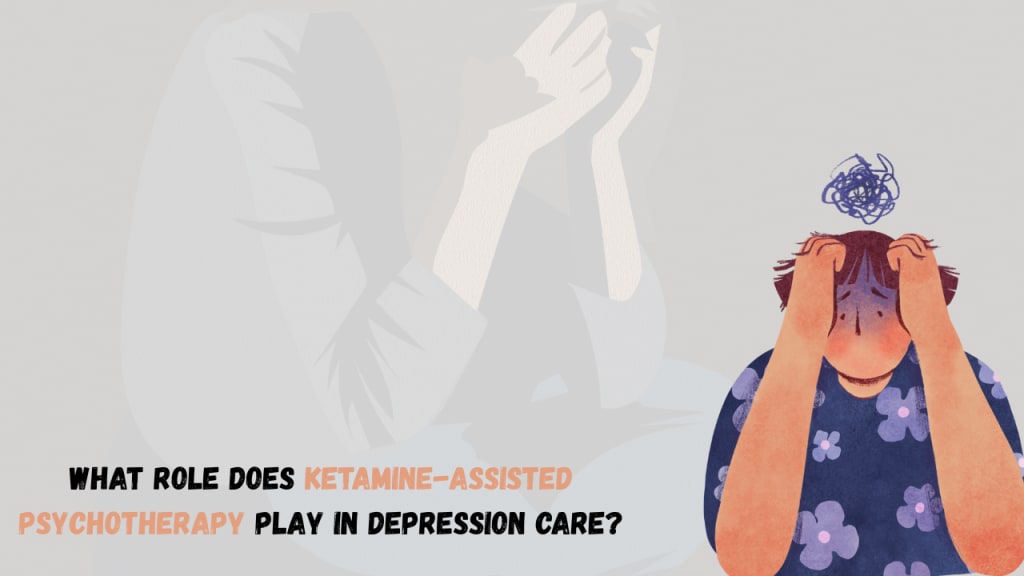
Depression doesn’t always respond to the paths that once worked. For some people, medication dulls symptoms without touching the core pain. For others, talk therapy brings insight but not relief. When progress stalls, it can feel discouraging like doing everything “right” without moving forward. In recent years, a different therapeutic approach has drawn attention for how it opens emotional access, especially when other options fall short.
Ketamine-based psychotherapy sits at the intersection of neuroscience and depth-oriented therapy. Rather than replacing traditional care, it adds a new dimension one that can help individuals engage with depression from a less guarded, more flexible mental state.
Understanding Depression Beyond Symptoms
Depression is more than persistent sadness. It often involves emotional numbness, rigid thinking patterns, and a nervous system stuck in survival mode. Standard treatments typically aim to regulate mood chemistry or restructure thoughts, both of which can be effective but not universally so.
For individuals with treatment-resistant depression, the issue is sometimes not insight or effort, but access. Access to emotion. Access to memory. Access to meaning. This is where altered-state psychotherapy can play a unique role.
How Ketamine Influences the Brain in Therapy
Ketamine has been studied for decades, primarily for its effects on glutamate, a neurotransmitter involved in learning and neural flexibility. In therapeutic settings, it temporarily shifts habitual mental patterns, allowing the brain to form new connections.
During ketamine-assisted sessions, many people report a loosening of negative self-narratives and a sense of distance from depressive thoughts. This mental space can make therapy more effective by reducing internal resistance and fear.
This effect is not about escaping reality it’s about approaching it with fewer defenses.
The Role of Psychotherapy in the Process
Ketamine alone is not the treatment. The psychotherapy that surrounds the experience is what gives it lasting value. Preparation sessions establish trust and intention, while integration sessions help translate insights into daily life.
Clinicians trained in ketamine-assisted psychotherapy focus on meaning-making rather than symptom suppression. The medicine opens the door; therapy helps you walk through it thoughtfully.
Key Benefits Observed in Clinical Practice
Before listing outcomes, it’s important to note that results vary based on diagnosis, therapeutic support, and readiness for change. That said, many clinicians and patients report consistent patterns of benefit.
Commonly observed therapeutic effects include:
- Reduced emotional rigidity and rumination
- Increased self-compassion and emotional access
- Greater openness during therapy sessions
- Faster engagement with difficult memories
For some individuals, ketamine-assisted care becomes a turning point after years of limited progress.
Who May Benefit Most From This Approach
This form of therapy is often considered when conventional treatments have not provided adequate relief.
It is commonly explored by people experiencing:
- Major depressive disorder with limited response to medication
- Depression linked to trauma or existential distress
- Long-term emotional numbness or shutdown
- Burnout accompanied by depressive symptoms
Ketamine-assisted psychotherapy is not a first-line treatment, but it can be a meaningful option when other paths feel exhausted.
Safety, Structure, and Professional Oversight
A legitimate ketamine therapy program follows strict medical and ethical guidelines. Sessions are conducted under clinical supervision, with careful screening to ensure suitability.
Responsible programs prioritize:
- Medical clearance and mental health evaluation
- Dosing protocols tailored to the individual
- Ongoing therapeutic support
- Clear boundaries and informed consent
When delivered appropriately, ketamine-assisted work is structured, intentional, and focused on long-term wellbeing rather than quick relief.
What a Typical Treatment Journey Looks Like
While protocols vary, most programs follow a phased approach. Preparation helps clarify goals and establish emotional safety. Medicine sessions create the experiential window. Integration turns insight into action.
The therapeutic relationship remains central throughout. Without skilled guidance, insights may fade or feel confusing. With support, they often become anchors for meaningful change.
Limitations and Realistic Expectations
It’s important to be honest: ketamine-assisted psychotherapy is not a cure. It does not eliminate depression overnight or remove the need for ongoing care. Some people experience immediate shifts; others notice gradual changes over weeks.
The work still requires effort, reflection, and follow-through. The difference is that therapy may feel more accessible, less stuck, and more emotionally honest.
Final Thoughts
From my experience exploring ketamine assisted psychotherapy in Philadelphia, what stands out most is the emphasis on integration and relationship. The strongest outcomes I’ve seen come from providers who balance medical precision with deep therapeutic presence. In a city with diverse mental health resources, Philadelphia offers clinicians who understand both the science and the human side of this work making care feel grounded rather than experimental.
For a deeper understanding of related approaches, explore our article on Psychedelic Therapy for Depression, Anxiety, and Trauma, which explains how these therapies support emotional healing and long-term mental health.
About the Creator
Adrienne D. Mullins
Driven by a deep passion for health and wellness, I specialize in holistic therapies that nurture both the mind and body. My mission is to guide individuals toward balance, healing, and sustainable well-being.
Keep reading
More stories from Adrienne D. Mullins and writers in Psyche and other communities.
Psychedelic Therapy for Depression, Anxiety, and Trauma
For people who have tried talk therapy, medication, journaling, meditation and still feel stuck psychedelic-assisted approaches can feel like an unexpected opening. Not a shortcut, not a miracle, but a different way of working with the mind when conventional paths fall short. Interest continues to grow because these therapies don’t aim to suppress symptoms; they invite people to understand them.
By Adrienne D. Mullins2 days ago in Psyche
The Real Reason You Keep Falling Back Into Old Habits
The Real Reason You Keep Falling Back Into Old Habits You decide to change. You try. You fail. Over and over. It’s not lack of willpower. It’s not laziness. Here’s the science behind why your old habits keep winning—and what you can actually do about it.
By Muhammad Haris khan 2 days ago in Psyche


Comments
There are no comments for this story
Be the first to respond and start the conversation.