
Psychedelic Therapy for Depression, Anxiety, and Trauma
Healing depression, anxiety, and emotional pain


For people who have tried talk therapy, medication, journaling, meditation and still feel stuck psychedelic-assisted approaches can feel like an unexpected opening. Not a shortcut, not a miracle, but a different way of working with the mind when conventional paths fall short. Interest continues to grow because these therapies don’t aim to suppress symptoms; they invite people to understand them.
What follows is a grounded look at how psychedelic therapy is being explored for depression, anxiety, and deep emotional wounds, and why it’s gaining careful attention rather than hype.
1. How Psychedelic Therapy Works at Its Core
Psychedelic therapy combines guided sessions with substances such as ketamine, psilocybin, or MDMA and structured psychological support. The medicine itself is only part of the process; preparation and integration matter just as much.
Rather than forcing insight, these sessions often soften rigid thought patterns. People describe feeling less defended, more observant, and emotionally open. This altered state can create space to revisit difficult experiences without becoming overwhelmed by them, including long-held emotional pain related to Trauma.
2. Why Depression Responds Differently to This Approach
Depression often narrows perception. Thoughts loop, motivation fades, and emotional numbness sets in. Psychedelic therapy appears to interrupt this rigidity by temporarily reducing activity in the brain’s default mode network the system linked to rumination and self-criticism.
During guided sessions, many people report a renewed sense of meaning or connection, sometimes after years of emotional flatness. This doesn’t replace therapy, it deepens it, allowing insights to emerge that standard sessions may struggle to reach.
3. Addressing Anxiety Without Avoidance
Anxiety thrives on control and anticipation. Psychedelic therapy works differently it encourages people to experience sensations rather than escape them. Under professional guidance, this can help individuals observe fear without immediately reacting to it.
Key therapeutic shifts often include:
- Recognizing anxious thoughts as temporary mental events
- Experiencing physical sensations without panic
- Reframing fear with curiosity rather than resistance
This process can be especially meaningful for those whose anxiety is rooted in unresolved emotional stress or Trauma.
4. Emotionale Healing Beyond Talk Alone
Some experiences are stored in the body, not language. Psychedelic therapy acknowledges this by working with sensation, imagery, and emotion rather than relying solely on conversation.
Clinicians often emphasize that insight alone isn’t healing embodied understanding is. This is why integration sessions are essential. They help translate powerful experiences into real-world change, particularly when addressing deeply ingrained emotional patterns connected to Trauma.
5. What the Research Is Actually Saying
Clinical trials at institutions such as Johns Hopkins and MAPS have shown promising outcomes, particularly for treatment-resistant depression and PTSD-related conditions. While research is ongoing, results consistently highlight improved emotional regulation, reduced symptoms, and increased psychological flexibility.
Important distinctions remain:
- These therapies are structured, not recreational
- Medical screening is essential
- Outcomes depend heavily on therapeutic support
When used responsibly, they offer a new framework for understanding mental health challenges shaped by Trauma.
6. Safety, Ethics, and the Importance of Guidance
Psychedelic therapy isn’t appropriate for everyone. People with certain psychiatric conditions or medical risks may not be suitable candidates. Ethical practice requires informed consent, clinical oversight, and clear boundaries.
Responsible providers focus on:
- Psychological preparation before sessions
- Continuous support during experiences
- Long-term integration afterward
This structure helps ensure that insights lead to healing rather than confusion, especially when working with sensitive emotional histories tied to Trauma.
7. A Grounded Perspective From Philadelphia
Living and working around the mental health community has shown me how carefully this space is evolving. Conversations around psychedelic therapy Philadelphia aren’t about trends they’re about people who’ve spent years searching for relief. Local clinicians emphasize caution, education, and integration, reflecting a city that values both innovation and responsibility. That balance is what makes this work feel hopeful rather than experimental.
Final Thoughts
Psychedelic therapy isn’t about escaping pain, it’s about meeting it differently. With structure, support, and respect for the mind’s complexity, it offers another path for those navigating depression, anxiety, and unresolved emotional experiences.
As research grows and access becomes clearer, the focus remains the same: healing that is thoughtful, human, and deeply personal.
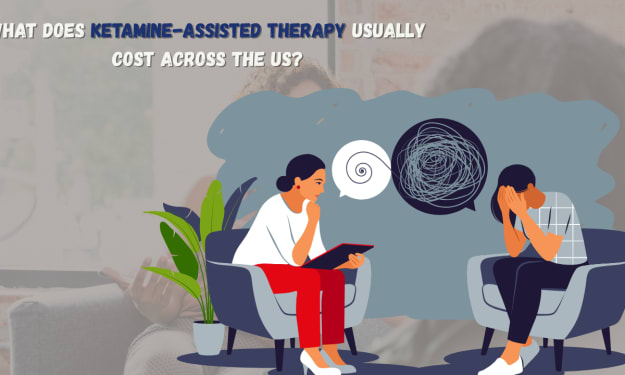
If you’re curious about pricing, you may also want to read What Does Ketamine-Assisted Therapy Usually Cost Across the US?
About the Creator
Adrienne D. Mullins
Driven by a deep passion for health and wellness, I specialize in holistic therapies that nurture both the mind and body. My mission is to guide individuals toward balance, healing, and sustainable well-being.
Keep reading
More stories from Adrienne D. Mullins and writers in Psyche and other communities.
What Does Ketamine-Assisted Therapy Usually Cost Across the US?
The first question most people ask when exploring new mental health treatments isn’t philosophical it’s practical. Cost matters, especially when a therapy feels unfamiliar and isn’t always covered by insurance. Ketamine-based care sits in that space where hope, science, and financial reality intersect. People considering it want clarity, not sales talk or vague estimates.
By Adrienne D. Mullins6 days ago in Psyche
Society Often Teaches Us to Suppress Our Sad Feelings, Branding Them as Negative.
Allow yourself the time to feel, process, and let go. What a journey we’ve traveled together. You can relate to that pain that appears out of nowhere and wants to linger in our minds. Once fear moves in, it takes root—spreading doubt, loneliness, and confusion It’s that kind of pain that overtakes your mental health, gradually making a home within you. Your thoughts can create a space filled with fear, a feeling that we often cling to because it’s the one our minds use against us—leading to a fierce battle between your thoughts and your feelings. It’s a struggle no one wants to lose, yet losing yourself feels like an ever-present threat. Isn’t that a trick life plays on us?
By Johana Torres26 days ago in Psyche


Comments
There are no comments for this story
Be the first to respond and start the conversation.