
The Real Reason You Keep Falling Back Into Old Habits
It’s not a discipline problem, It’s a brain-wiring problem.


The Real Reason You Keep Falling Back Into Old Habits
You decide to change. You try. You fail. Over and over. It’s not lack of willpower. It’s not laziness. Here’s the science behind why your old habits keep winning—and what you can actually do about it.
Introduction: The Cycle That Never Ends
You’ve been here before:
You decide to eat healthier. Three days later, chips are back in your hand.
You try to exercise daily. One week in, the couch feels safer.
You promise yourself to wake up early. Your alarm goes off, and you hit snooze… again.
Most people blame themselves. “I’m weak,” “I lack discipline,” or “I just don’t care enough.”
Wrong. You’re fighting a force far stronger than willpower: your brain’s default wiring.
Your old habits are not enemies. They are survival strategies your brain perfected over decades—strategies that feel safer, easier, and more rewarding than change.
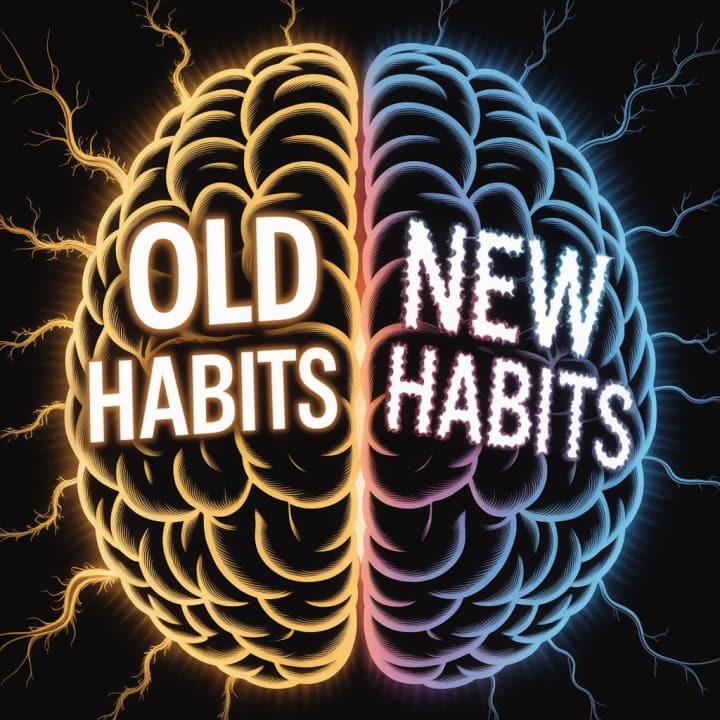
Why Your Brain Loves Old Habits
Habits are shortcuts for your brain. Forming a new habit means creating a new neural pathway. Old habits? Those pathways are thick, well-trodden highways.
The brain’s goal is energy efficiency. Think of it as a lazy accountant calculating calories of thought:
New habits = energy-intensive, uncertain, risky
Old habits = automatic, predictable, low effort
When the brain is unsure, it defaults to what’s known. Even if the known habit harms you, it feels safer than the unknown new habit.
Dopamine and Reward Prediction
Most people misunderstand dopamine. It’s not just “pleasure.” It’s your brain’s prediction chemical.
Old habits = predictable dopamine hits
New habits = unpredictable or delayed rewards
This is why starting a new habit feels boring, heavy, or pointless at first. Your brain hasn’t learned to associate it with reward yet.
Old habit wins because it’s familiar. Change loses because it’s unknown.
Identity Blocks Change

Another hard truth: your habits define who you think you are.
If you see yourself as “not athletic,” starting exercise feels like betrayal.
If you see yourself as “always late,” waking up early feels unnatural.
The brain fights change not because it hates you—it hates identity conflict. It’s easier to sabotage your new habit than rewrite the story of who you are.
That’s why you relapse, even with full effort: it’s not weakness. It’s biology.
Why Motivation Fails
Motivation is unreliable. It’s a spike, not a constant.
Some days you wake up “motivated” and crush goals
Other days, the same goals feel impossible
The brain doesn’t care about motivation. It cares about habit loops and neural pathways. To change permanently, you need systems, not bursts of willpower.

The Real Reason Relapse Happens
Relapse isn’t failure. It’s your brain protecting you:
Stress: Under pressure, your brain defaults to old habits.
Identity: New habits clash with self-image.
Energy efficiency: Old routines require less mental energy.
Reward mismatch: New behaviors don’t give instant dopamine.
Understanding this changes everything. You stop blaming yourself and start working with your brain, not against it.
How to Actually Break the Cycle
Start tiny: Make the new habit so small that it doesn’t trigger resistance.
Example: 2 push-ups instead of a full workout
Stack habits: Pair new habits with old ones to piggyback on existing neural pathways.
Example: Meditate right after brushing your teeth
Use visual cues: Your environment triggers habits. Change cues, change behavior.
Example: Put your running shoes by the bed
Focus on identity, not willpower: Act like the person you want to be, even in tiny ways.
Example: Say, “I am someone who shows up,” before small tasks
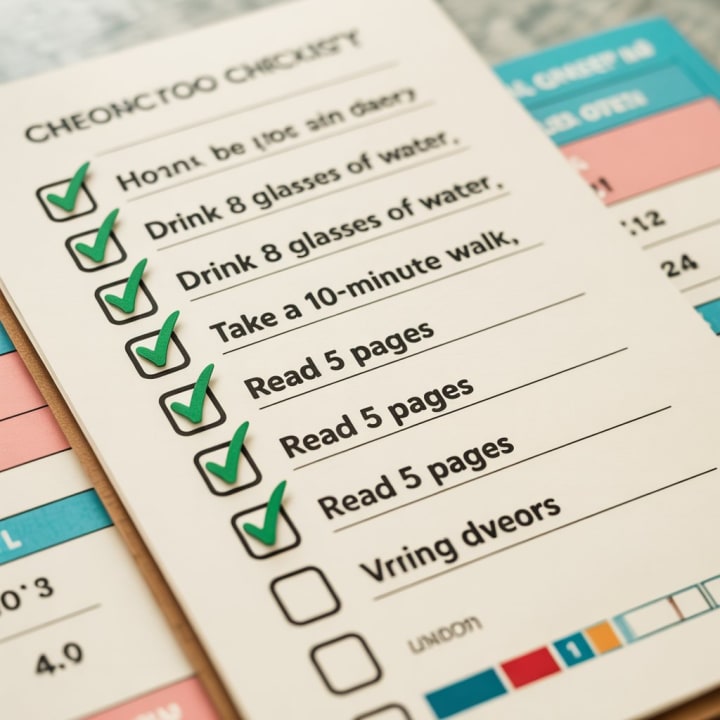
Track progress visually: Dopamine loves visible feedback. Checklists, charts, and streaks work.
The Key Insight
Old habits win by default. New habits win only when the brain accepts them as safe, rewarding, and identity-consistent.
If you understand this, failure isn’t shameful—it’s part of the process. Change isn’t about fighting your brain; it’s about outlasting its resistance and nudging it toward reward.
One small win after another rewires your neural pathways. Over time, what once felt impossible becomes automatic.
Conclusion
You keep falling into old habits not because you’re weak, lazy, or unmotivated. You fall because your brain is doing its job—protecting you, conserving energy, and sticking to what it knows.
The real solution isn’t willpower or guilt. It’s strategy, consistency, and understanding your brain’s rules.
The moment you stop seeing relapse as failure and start seeing it as a natural part of change, you gain leverage.
Change doesn’t require fighting your brain. It requires learning to work with it, step by step, habit by habit.
R
N
T
About the Creator
Muhammad Haris khan
Why its so hard to write about myself?
simply My Name is Haris Khan I am studing Master in creative writer, Having 4 years of experience in writing about a wide range of things, fiction,non-fiction and specially about the psychy of humans
Keep reading
More stories from Muhammad Haris khan and writers in Psyche and other communities.
What Are the Most Effective Activities for Addiction Recovery?
Addiction recovery is not built on abstinence alone. Long term recovery depends on developing healthier habits, meaningful routines, and positive coping strategies that replace substance use. While therapy and clinical treatment play a critical role, daily activities are just as important in supporting emotional stability, personal growth, and relapse prevention.
By Jordan Blake3 days ago in Psyche



Comments (3)
that very help full article for me about motivation and discipline ,The picture used between the article is really amazing, keep going and don't stop posting such a great article
Pleace read my one story
That Really change your life, if you love the article like it , share it to your nearest thank you . I am not doing well so it's a little pretty article