

Self-sabotage is something that has always interested me because it is not like a mental illness that ruins or prohibits your life. But instead, it is something that you do to yourself in order to either stop yourself from feeling a certain way or to make yourself feel something else. This is often sprurned on by mental health problems such as depression, anxiety etc. In recent years though, the younger generation seem to find self-sabotage 'trendy' and not what the people who are doing it actually think: dangerous and horrible. Self-sabotage has become something 'rebellious' people do rather than people who are deeply disturbed who cannot get out of certain situations and are pretty much out of options in their own minds.
Let's take a look at it together.
What is 'self-sabotage'?

The use and abuse of alcohol, drugs etc. in order to create headspace or to disable emotions that can be overwhelming such as: depression, anxiety, OCD, PTSD, bipolar disorder etc. You do not have to be diagnosed with these to partake in self-sabotage. Self-sabotage involves trying to disable any recurring emotions associated with these primary illnesses. You can be just starting off your journey into it and want to switch it off, or you could be decades in and not being able to take it anymore, you turn it off through other methods such as: alcoholism, drug abuse and other sabotaging behaviours.
What attracts younger people to it?

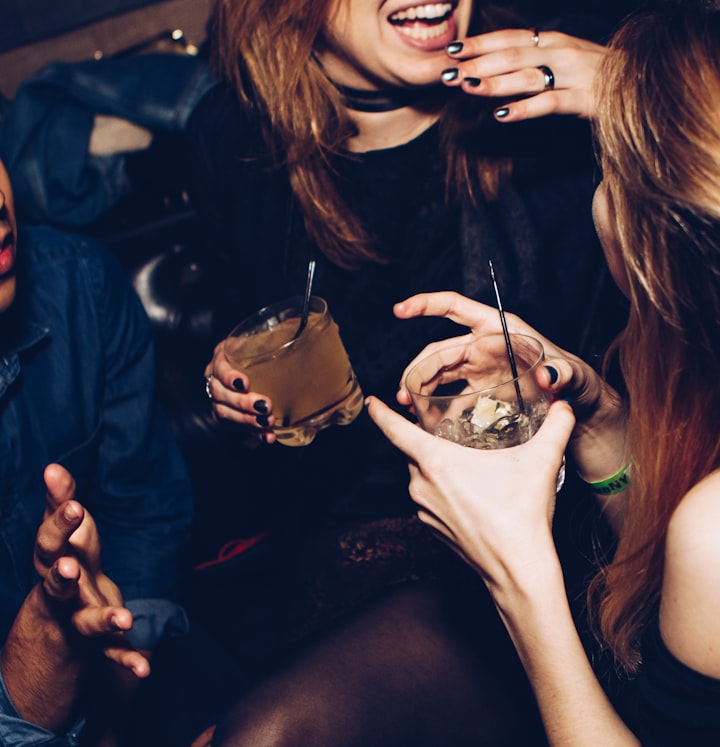
Initially, self-sabotage has often been glamorised by media and more than often by modern music that describes taking drugs and alcohol in order to relieve the symptoms of a break-up or the pains of life. This has led to younger people, normally of generation Z, thinking that this is not only a good idea, but this is even the correct way to live your life. Again, this is no fault of theirs. It is our fault as their elders, we have failed to protect them and teach them. We should be teaching them the value of our emotions and how to voice them rather telling them to take things to kill these emotions. Again: it is our fault.
Not just this though, it has also been normalised as an 'everybody does it' sort of action. Everyone seems to be drinking, partying and having a great time whilst doing it. Nobody really tells them that these things drastically shorten your life span and can make you feel sixty when you are only thirty-five. This normalisation has led to this phenomenon that surrounds teenagers wanting to be older than they are. Normally this entails interests such as learning another language, reading books above their age group and wearing makeup but when we normalise drinking and drugs, we are also putting it in the same category of being older and being able to do these things without showing the things that happen afterwards.
So what actually happens?

It starts off as a glamorised or normalised idea that the child follows and then, slowly and steadily it becomes an addiction that they cannot get rid of. Let me give you an example of my own, however it is probably not as dangerous.
Anecdote:

When I was about sixteen, I started drinking espressos. These made me feel like I was in some way, pretty sophisticated. I had always enjoyed that sort of look. Through the end of my teens and into university though, I was becoming more and more hooked on coffee to the point that I would just shut down if I did not have one. I would drink maybe ten to fifteen cups per day and even to this day at twenty-five years' old, I still need about three just to operate in the morning. It goes from wanting to be something to requiring that thing for other reasons.
END OF ANECDOTE
Message:

Self-sabotage is never 'cool' or 'trendy'. What is actually cool is trying to fix yourself. Expressing your emotions is key. There are many ways you can do this including, but not limited to:
- Journaling
- Talking to a friend or family member
- Talking to an organisation anonymously
- If you say a negative thought about yourself add "BUT I COULD/CAN..." to the end to make an affirming statement
- Do something you love. Take a pet for a walk/draw a picture/make a cake/etc. nothing is too small to do in order to regain self-control. Even sleep is worth it
- Don't let anyone tell you how to react, they do not know what it is like to be in your position
Most importantly, do not listen to this modern music and film that tells you that alcohol and drugs are the way forward. They are only the way to an early death. As someone who lost their grandfather to alcohol, and has lost friends to drug overdoses - it is never ever the way forward. It is not cool. It is self-sabotage. You will regret it later on.
About the Creator
Annie Kapur
I am:
🙋🏽♀️ Annie
📚 Avid Reader
📝 Reviewer and Commentator
🎓 Post-Grad Millennial (M.A)
***
I have:
📖 280K+ reads on Vocal
🫶🏼 Love for reading & research
🦋/X @AnnieWithBooks
***
🏡 UK
Keep reading
More stories from Annie Kapur and writers in Psyche and other communities.
Mental Illness: Expectation vs. Reality
It is well known now that mental health problems are getting a bit out of hand. With the pandemic, many people have taken their own lives, many people have had mental breakdowns and mental health is no longer just about protecting yourself but also those around you.
By Annie Kapur5 years ago in Psyche
Whimsy as Gentle Rebellion
Whimsy isn’t escape — it’s a reminder that color, kindness, and imagination still have power. In a world that often values efficiency over wonder, seriousness over softness, whimsy is frequently misunderstood. It’s mistaken for immaturity, distraction, or avoidance. But for me, whimsy has never been about turning away from reality. It has been about meeting reality with an open heart — and refusing to let it harden me.
By Alicia Melnick 6 days ago in Psyche



Comments
There are no comments for this story
Be the first to respond and start the conversation.