
Mental Illness: Expectation vs. Reality
An Investigation

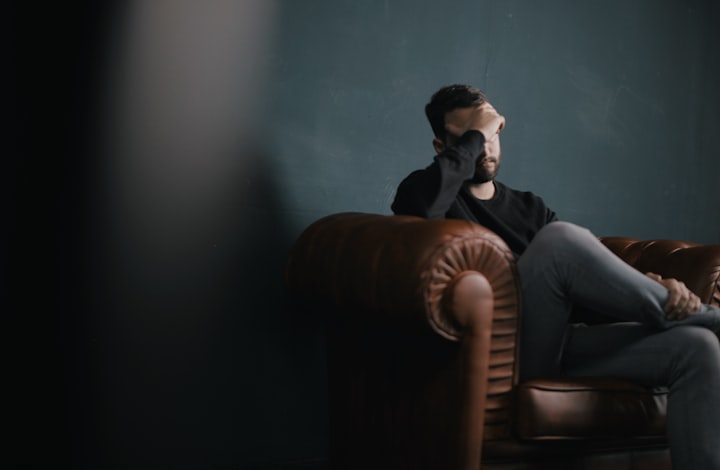
It is well known now that mental health problems are getting a bit out of hand. With the pandemic, many people have taken their own lives, many people have had mental breakdowns and mental health is no longer just about protecting yourself but also those around you.
There are many sides to the 'expectation vs. reality' argument and not all of them are pretty Instagram posts. Instead, there is a side to mental health that actually, and pretty insidiously, promotes simply buying products and following a 'lifestyle trend' in order to solve your problems. People then end up getting sucked into the cycle of spending money on things that will not fix anything in the long run. Let's have a look at what I mean by this:
The Illusion of Self-Care
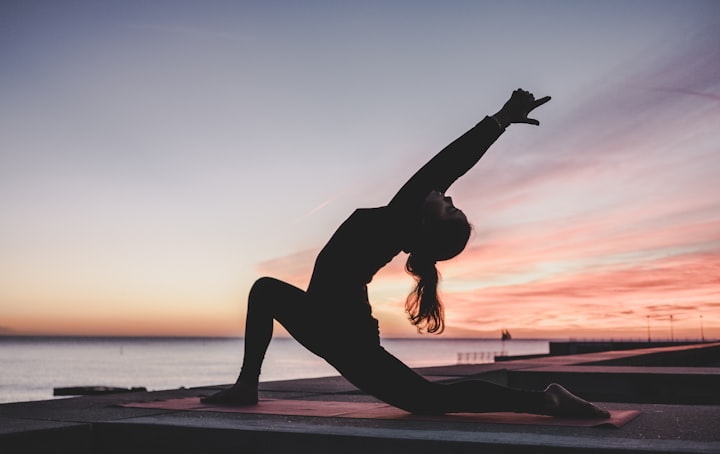
There is no doubt that if you are feeling down one day, or exhausted even, self-care can promote some healthy habits and make you feel a bit better. But if you're suffering with a severe case of depression, bipolar disorder, social phobia etc. it probably will not do much good. The people posting about it already know this and actually post about self-care in order to promote a product. Maybe this is a beauty mask, a soap, a bubble bath etc. they will link it to the 'self-care' trend and state that it can fix a mental health condition as broad as stating 'I was feeling incredibly depressed...' when what they mean was 'I was feeling very sad...' In order for people who are empathetic with the feeling of depression to buy the item.
In most cases, the item itself will not change anything. It is the receiving of the item that will. Instead of giving you self-care, it will instead give you problems. You will become fixated on the idea of accumilating more 'stuff' in order to try and help yourself out of this depression, anxiety etc. hole that you are in. In reality, what you really need is to see a doctor so that you can be referred to a mental health professional. People online, unless they are accreditted, are not mental health professionals.
The Difference Between Online and Real Life
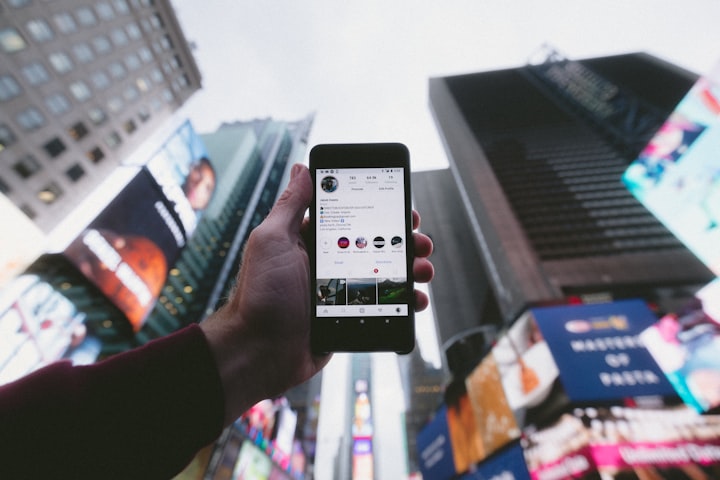
Online, self-care and meditation seem to be the things keeping these 'mental wellness' accounts afloat. Assuring people that subscribing to this perfectly aesthetic lifestyle of a skinny woman sitting on a yoga mat in a blue leotard in the middle of a white room with a candle and some decorative stones around her is one of the things that makes it so appealing. In reality, as someone who has some pretty bad mental health issues, it can calm things but not fix things in the long term. The difficulty arises is when you start wanting to have the difficult conversations about the wholeheartedly unaesethically pleasing side of mental illness that you become a trouble to these people.
Some of these unaesthetic traits may include: comfort eating, alcoholism, drug addiction, nervous breakdowns, suicidal tendencies etc. Since these do not get any address on these mental wellness accounts, it seems like the entirety of it is being ignored, brushed under th rug and therefore, the mental illness it is speaking of is being entirely misrepresented.
It is very careful to do the research on all aspects of the mental health problem that the account is addressing. Especially if you believe you have it. If you believe you have anxiety, depression, OCD, PTSD etc. it is of prime importance that you know exactly what you're going to be up against for the next few years whilst you try to put yourself back together. And I wish you all the best with that because mental illness is never pretty or aesthetically pleasing.
Is Glamorisation Real?
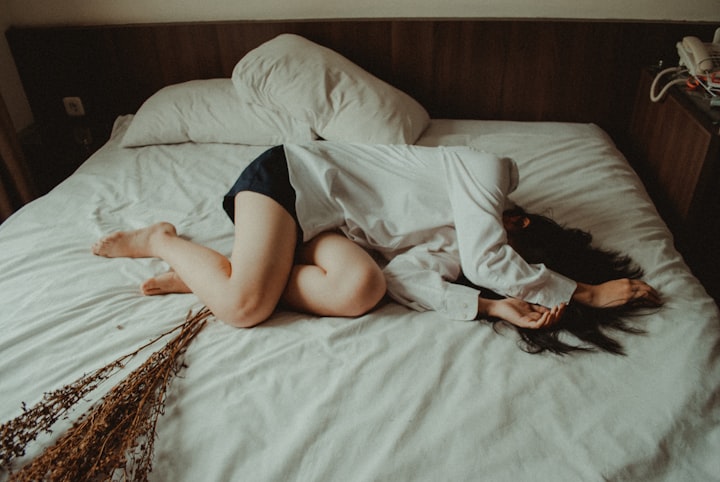
Glamorisation and Aestheticism are two different things. Glamorisation is to suggest that having such an illness is glamorous and makes you more interesting and famous. This is a similar thing that was unfortunately done to eating disorders for years and is arguably, still being done today. Aestheticism is to make something like a mental illness aesthetically pleasing to have. Presenting it as something that can be fixed with Yankee Candles, pretty yoga mats and lots of exotic flowers is one way of doing this.
When it comes to still being a thing, it is and it is not. It is since there are still many, many countless accounts that have aestheticised mental illness to the point of oblivion. Whereas, glamorisation is being pounded down on harder than a truck hitting a feather. I think however, that both of these need to be reduced. The aestheticism of mental illness and wellbeing should be renamed as an account for personal calm. It can help with that but there are no long term solutions in this for people with mental health problems.
Conclusion - What Now?

Well, in this we can honestly state that buying products in order to reduce the mental illness we are feeling is possibly not the best idea. Instead, the best idea is to get a hold of a professional who can point you in the correct direction to CBT and/or medication that can send you on your way back up. It is of prime importance too, that you know all there is to know about the dark side of what you think you are facing. The dark side is never spoken about and you need to be ready when it comes.
About the Creator
Annie Kapur
I am:
🙋🏽♀️ Annie
📚 Avid Reader
📝 Reviewer and Commentator
🎓 Post-Grad Millennial (M.A)
***
I have:
📖 280K+ reads on Vocal
🫶🏼 Love for reading & research
🦋/X @AnnieWithBooks
***
🏡 UK
Keep reading
More stories from Annie Kapur and writers in Psyche and other communities.
The Great Social Media Addiction
We all know that social media is addictive and we have probably seen the argument a million times over. But what happens when an entire sub-society is created from addiction? Is this safe? Is this healthy? But most importantly, how is this being sustained?
By Annie Kapur5 years ago in Psyche
I Live With Telephone Phobia Every Day!
Warning: Contains some distressing themes. I never used to have a problem using the telephone. When I was in my teens, there was nothing I enjoyed more than the dramatic ring of our bright red Bakelite. To me, it was a very welcoming and social sound.
By Simon Aylward4 days ago in Psyche



Comments
There are no comments for this story
Be the first to respond and start the conversation.