
The Battle of Body Chemistry: How Our Nervous and Endocrine Systems Shape Our Thoughts and Actions
Understanding the Intricate Connection Between Biology and Psychology
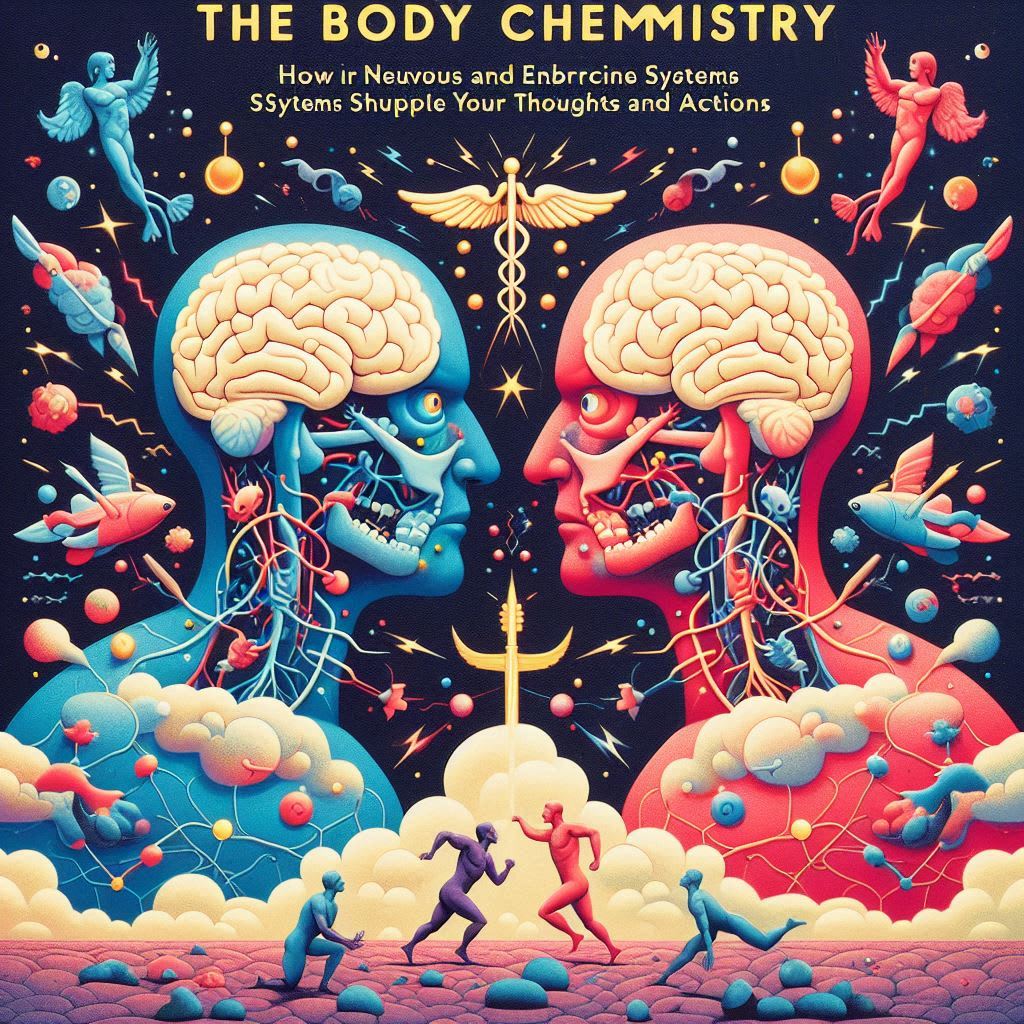
Late at night, as you drift off into a peaceful slumber, your mind begins to conjure up dreams of your favorite snacks. Suddenly, an unexpected bang at the door jolts you awake, your heart racing. In that moment, a torrent of chemicals floods your system, propelling you into a state of heightened alertness. This startling experience is a perfect illustration of how our biological systems—particularly the nervous and endocrine systems—interact to shape our psychological experiences.
### **The Power of Neurons**
Neurons are the fundamental building blocks of our nervous system. These specialized nerve cells transmit messages throughout the body, enabling us to think, feel, and act. Each neuron consists of three main parts:
1. **Soma (Cell Body):** This is the neuron's control center, containing the nucleus, DNA, and necessary cell machinery.
2. **Dendrites:** These are the bushy extensions that receive incoming signals from other neurons, serving as the primary points of communication.
3. **Axon:** The axon is the long, cable-like structure that transmits electrical impulses away from the soma to communicate with other neurons or muscles.
Neurons communicate through synapses, the tiny gaps between them. When a neuron is activated, it sends an electrical impulse down its axon, triggering the release of neurotransmitters. These chemical messengers cross the synaptic gap and bind to receptor sites on the receiving neuron, influencing its activity. The process is fast and dynamic, and neurotransmitters can be excitatory or inhibitory, shaping how we respond to stimuli.
### **Neurotransmitters and Their Effects**
There are over 100 different neurotransmitters, each playing unique roles in regulating our behavior and emotions. Here are a few key players:
- **Excitatory Neurotransmitters:** These increase the likelihood that a neuron will fire, enhancing alertness and arousal. Norepinephrine, for example, is crucial for regulating attention and responding to stress.
- **Inhibitory Neurotransmitters:** These decrease the likelihood of neuron firing, promoting relaxation and calmness. Gamma-aminobutyric acid (GABA) is a primary inhibitory neurotransmitter that helps control anxiety.
- **Dopamine:** This neurotransmitter is involved in pleasure, motivation, and movement. Imbalances in dopamine levels are linked to various mental health disorders, including schizophrenia and addiction.
Understanding these neurotransmitters and their functions provides insight into how our biological states influence psychological experiences.
### **Hormones and the Endocrine System**
In addition to neurotransmitters, hormones produced by the endocrine system play a crucial role in regulating our moods and behaviors. The endocrine system consists of various glands that release hormones into the bloodstream, affecting multiple bodily functions. Here are some key glands and their functions:
- **Adrenal Glands:** Located above the kidneys, these glands release adrenaline during stress, preparing the body for a fight-or-flight response. This hormone increases heart rate, blood pressure, and energy supplies.
- **Pituitary Gland:** Often referred to as the "master gland," the pituitary regulates other endocrine glands and releases hormones that control growth and metabolism. It also produces oxytocin, known for promoting social bonding and trust.
- **Thyroid Gland:** This gland regulates metabolism through the release of thyroid hormones, impacting energy levels and weight management.
While the nervous system transmits signals rapidly, the endocrine system operates more slowly, delivering messages that can linger longer. This difference in speed highlights how our body processes stress and emotions.
### **The Feedback Loop of Body Chemistry**
The interaction between the nervous and endocrine systems creates a complex feedback loop. For instance, when a loud noise startles you, sensory input travels to the brain, triggering an automatic response from the hypothalamus. This, in turn, activates the pituitary gland, which signals the adrenal glands to release adrenaline. This cascade of chemical reactions prepares your body to either confront the danger or flee from it.
This feedback loop exemplifies how interconnected our physiological and psychological processes are. Understanding this connection is essential for comprehending our responses to fear, stress, and various emotions.
### **Conclusion: The Interplay of Psychology and Biology**
In essence, our thoughts, feelings, and behaviors are deeply intertwined with our biological makeup. The intricate dance between neurons and hormones not only shapes our immediate reactions to stimuli but also influences our long-term mental health and well-being. As we continue to explore the complexities of the human mind, we must remember that everything psychological is inherently biological.
In the upcoming discussions, we will delve deeper into the brain’s structures and functions, exploring how various components contribute to our overall psychological experiences. Understanding these biological underpinnings can empower us to manage our emotional health and navigate life's challenges more effectively.
About the Creator
THiNK
Think - Your go-to destination for exploring captivating mysteries, insightful psychology, intriguing facts, and the latest news. Our mission is to spark curiosity and inspire learning. Join us as we uncover the unknown!



Comments
There are no comments for this story
Be the first to respond and start the conversation.