trauma
At its core, trauma can be thought of as the psychological wounds that persist, even when the physical ones are long gone.
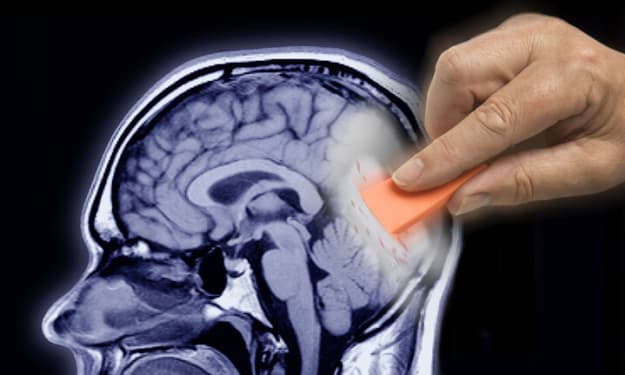
The human brain creates a false memory just a few seconds after the event!
People may misremember events, often within seconds, and reshape memories to fit their expectations. Previous studies have shown that people's perception of their surroundings can be shaped by their expectations, which can lead to delusions. People's long-term memories can also be shaped to fit their expectations, sometimes generating false memories.
By News Correct3 years ago in Psyche
I'm fine. It's fine. Never mind.
The stressful climate on campus College can be the most exciting time in our lives, and for many, it is. Enrolling in college courses means entering a time of heavy transition and change. The majority of college students actively enrolled in courses range from ages 18-24, and there are also many adult students who choose to participate in later years.
By Carrie Principe3 years ago in Psyche
How Service Dogs Are Helping PTSD
Over the years, the psychiatrists at the best addiction treatment center in Pakistan say that there have been lots of studies about how dogs are suitable for people, and people want to know how about crack addiction he wants to know most of the people for awareness purposes.
By Willing Ways3 years ago in Psyche
6 Simple Steps to Rebuild Your Life After Trauma
“Are you ok?” It was 2004, and I had been a police officer for a few months. I was at a crime scene so horrific and unusual that it was unlikely ever to happen again. My colleague could see that I was far from ok, and yet I guarded the scene diligently for the next several hours — many of them alone.
By Leon Macfayden3 years ago in Psyche
Treatment for mental illness
Introduction: The subject is comprehensive and includes a wide spectrum of problems from depression, anxiety, bipolar, personality, and psychotic diseases. It involves a complete understanding of numerous sorts of treatment procedures and how they operate for different mental diseases. But, I can offer a summary or a breakdown of the book on therapy for mental illness. Explanation of what mental illness is and its frequency
By Josep Ebuch3 years ago in Psyche
Panic Attack Aftercare
Let’s talk about trauma aftercare. I have CPTSD. Today I woke up from a bad nightmare in an active panic attack. Nightmares are traumatic. They feel just like the real trauma that happened. This means that after I come out of the panic attack (treated with medication, self-talk, affirmations, grounding techniques, and active comfort), I need to take care of myself in ways I wouldn’t otherwise. I will need to actively reassure myself that I no longer have that trauma in my life. I will need extra reassurance from partners, and I might have to cancel activities to rest. I had to learn how to do these things. Our society teaches us that we should “suck it up” and move on, but that’s not actually how brains work. We have to reteach our brains that we are no longer in physical, emotional, sexual, mental, or psychological danger. That’s hard. That’s complicated. That’s not being a good capitalist. So we stockpile trauma, which isn’t good for anyone. So today I heal, at least the trauma from my nightmare. It’s probably going to involve a whopper (with cheese, no pickles, onion or ketchup), and a lot of reassuring myself that I have every right to nurture myself through food. It will require rest, and puppy snuggles, but in the end I will be more whole, I won’t have that trauma to pass on to others, and healing myself also heals the collective. Healing myself helps heal you, and vice versa. So we will heal together, we will commune together, and we will find joy together. Together we are stronger than trauma. Together, nothing can stop us.
By Karen LaRue3 years ago in Psyche
Don't Let Imposter Syndrome Hold you Back
What actually is Imposter Syndrome and How Does it Affect Your Life? Imposter syndrome is a phenomenon in which a person has anxiety and lack of accomplishment on the inside despite having high potential on their self. People with this syndrome frequently experience self-doubt and feelings of being "a fraud". People with imposter syndrome often attribute their success to external factors such as luck or help from others.
By Noorul saliha3 years ago in Psyche
Journal Entry: Mental Health Awareness and Advocacy
Journal Entry: Mental Health Awareness and Advocacy As I sit down to write this journal entry, I am reminded of the importance of mental health awareness and advocacy. Over the past few years, I have witnessed a shift in societal attitudes towards mental health, with increased recognition of its significance and the need to prioritize it alongside physical health. As someone who has experienced my own mental health challenges and witnessed the struggles of loved ones, I am passionate about raising awareness and advocating for better mental health care and support systems.
By Taimoor Khan3 years ago in Psyche
The Importance of Shared Responsibilities in Relationships
Shared responsibilities are an essential component of healthy relationships. Whether in romantic partnerships or friendships, a fair distribution of responsibilities can lead to greater satisfaction, improved communication, and a stronger sense of mutual support. In this article, we will explore the importance of shared responsibilities in relationships and how to establish them effectively.
By Terrell Greenwood3 years ago in Psyche