
Screen time is slowly frying your Brain
A Neuroscientific View of the Link Between Exercise and Dementia

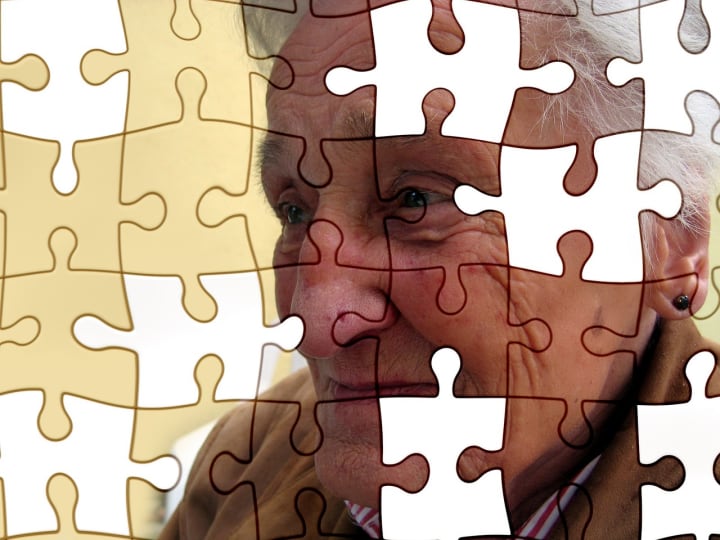
Dementia, an umbrella term is referred to many neurodegenerative disorders characterized by memory loss, cognitive decline, and impaired reasoning. It is increasingly prevalent due to aging populations worldwide. Alzheimer’s disease is the most common form of dementia, accounting for 60–80% of cases worldwide. A growing body of research suggests that lifestyle interventions, particularly physical exercise, can play a crucial role in reducing the risk of cognitive impairment. However, there is currently no definitive treatment for dementia. From a neuroscientific point of view, exercise has a variety of positive effects on brain structure and function that can help prevents dementia. A key player in neuroplasticity is Brain-Derived Neurotrophic Factor (BDNF), a protein that supports the survival of existing neurons and encourages the growth of new ones.
The connection between exercise and brain function

It has been the subject of extensive research by Carl Cotman, a neuroscientist at the University of California, Irvine. "Exercise is a simple and effective way to increase brain levels of BDNF, which in turn promotes the health and growth of neurons in the hippocampus, a region critical for memory and learning," he stated. According to his findings, aerobic exercise significantly raises BDNF levels, which help synaptic plasticity and prevent neurodegeneration. The hippocampus, which is one of the first regions to be affected by Alzheimer’s disease, has shown notable structural benefits in response to exercise.
A landmark study published in the Proceedings of the National Academy of Sciences in 2011 found that aerobic exercise, such as brisk walking for 40 minutes three times a week, can increase hippocampal volume in older adults, effectively reversing age-related shrinkage. Dr. Art Kramer, a cognitive neuroscientist who co-authored the study stated that “Our findings clearly show that the brain remains plastic even in late adulthood and that exercise is a potent intervention to enhance cognitive function.” The brain's resilience to neuropathological damage, or "cognitive reserve," is bolstered by this plasticity. Individuals with higher cognitive reserve are better able to compensate for age-related changes and early disease pathology, potentially delaying the onset of dementia symptoms.
Vascular Health and Neuroinflammation
Vascular health is also closely linked to dementia. Cardiovascular fitness is improved through exercise, which also increases cerebral blood flow. Increased blood flow ensures that the brain receives adequate oxygen and nutrients while facilitating the removal of metabolic waste. Poor vascular function is associated with white matter lesions and microinfarcts that contribute to cognitive decline. In addition, regular physical activity helps to reduce chronic systemic inflammation, which is a major contributor to neurodegeneration. "Exercise alters pro-inflammatory cytokines and helps maintain a healthier immune response in the brain, reducing the risk of pathological changes that underlie diseases like Alzheimer's," states University of Iowa neuroscientist Dr. Michelle Voss. The Function of the Executive Adult neurogenesis, or the emergence of new neurons, in the dentate gyrus of the hippocampus has also been demonstrated to be promoted by exercise, particularly aerobic and resistance training. A stable functioning of this process allows for effective memory formation and learning. Additionally, physical activity improves executive functions that are frequently impaired in early-stage dementia, such as planning, attention, and problem-solving. A meta-analysis published in The Journal of Alzheimer’s Disease reported that individuals who engage in regular physical activity have up to a 35% lower risk of developing dementia. Importantly, both midlife and late-life exercise contribute to this risk reduction, suggesting that it’s never too late to start.
Exercise Types and Their Effects on brain
Different types of exercise have different effects on the brain. Aerobic exercises such as walking, swimming, or cycling are most consistently associated with improved cognitive outcomes. However, strength training and mind-body exercises supports cognitive health indirectly by improving balance, lowering the blood pressure, and elevating mood. A study from the Harvard Medical School highlighted that individuals who combined both aerobic and resistance training exhibited superior cognitive outcomes compared to those who performed only one type of exercise.
Conclusion
While genetic predisposition and aging remain uncontrollable risk factors for dementia, growing neuroscientific evidence highlights the powerful influence of modifiable lifestyle choices, most notably, exercise to support brain health. Physical activity has emerged as a leading non-pharmacological approach for altering the brain's aging process and reducing dementia risk. Regular exercise promotes neuroprotection through several mechanisms, it boosts levels of brain-derived neurotrophic factor (BDNF), enhances vascular function, reduces neuroinflammation, and stimulates neurogenesis. These physiological changes contribute to improved cognitive resilience and long-term brain function.
Dr. Wendy Suzuki, professor of neuroscience and psychology at New York University, emphasizes this point, stating, "Exercise is the most transformative thing you can do for your brain today. It has immediate, long-lasting, and protective benefits on the brain."
Beyond its well-established benefits for physical health, regular physical activity is now recognized as a scientifically validated method for safeguarding the brain and preventing cognitive decline. "Based on current research, exercise is a vital element in reducing the risk of dementia and supporting cognitive function."
About the Creator
Sadman Sanjid Hossain
Storytelling with a scientist’s soul, I write to bridge science, society, and human experience.
Keep reading
More stories from writers in Psyche and other communities.
Autonomy Is The Real Privilege
Good morning, freedom-seekers! Today we’re gonna be looking at autonomy. A strange word, I know; one many would probably look at blankly and run away from on sight. We’re gonna figure out what it actually means, consider how it’s achieved, and decipher just how deeply most of us are tangled up in dependence without realising it.
By That ‘Freedom’ Guyabout 12 hours ago in Humans




Comments
There are no comments for this story
Be the first to respond and start the conversation.