
Psychologist Attitudes on Psychedelic-Assisted Therapy: New Research
Exploring the Future of Therapy: Psychedelic Treatments for Depression and PTSD
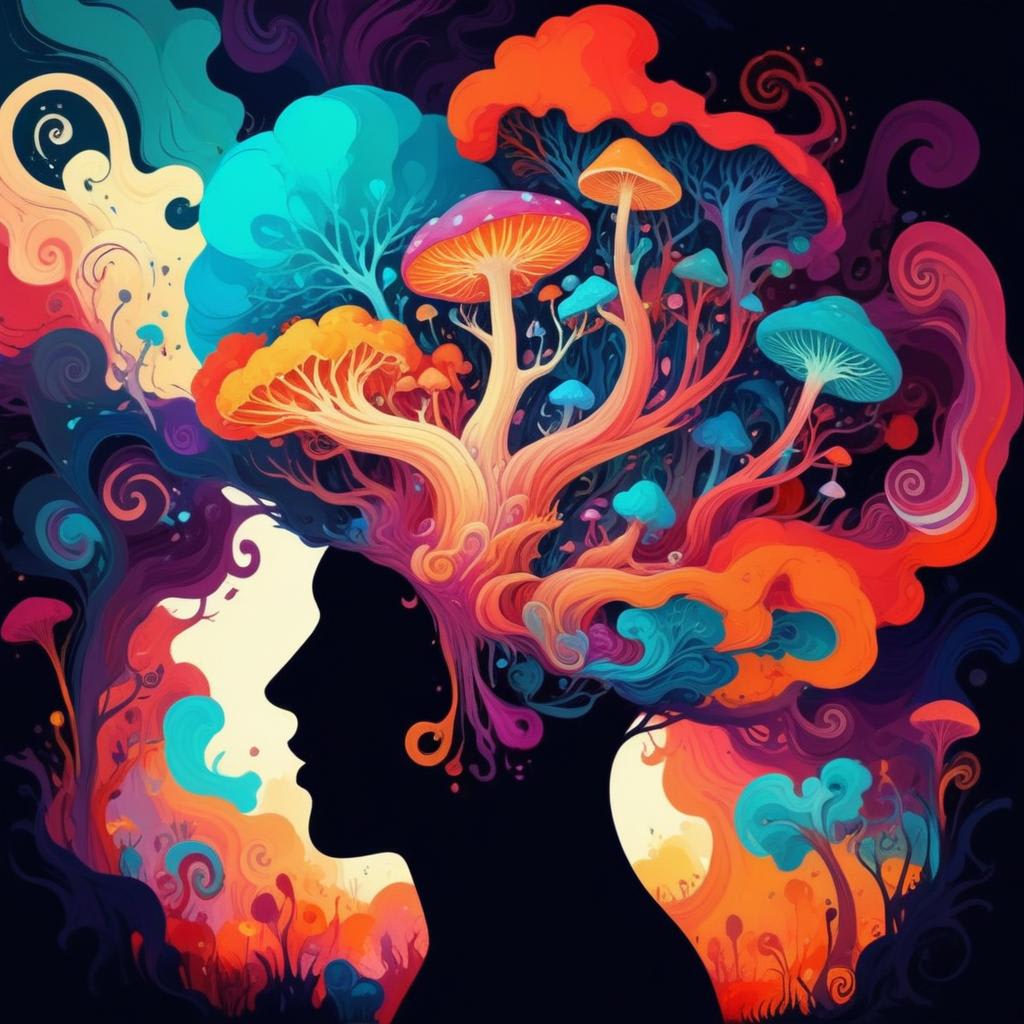
Imagine treating depression or PTSD with a therapeutic experience rather than conventional medication. This innovative concept, known as psychedelic therapy, is gaining traction. However, its acceptance among therapists varies. A recent study by a therapy group in Portland explored the reasons behind these diverse attitudes, providing valuable insights
The study revealed a significant geographical divide in attitudes toward psychedelic therapy. Therapists on the coasts, especially in states like California and New York, are generally more open to using psychedelics in their practice. In contrast, therapists in the central regions of the United States tend to be more conservative. This geographical disparity highlights the broader cultural differences influencing the acceptance of alternative treatments.
Age and gender also play crucial roles in shaping therapists' perspectives. Younger therapists, particularly men, are more receptive to the idea of psychedelic therapy. This trend suggests a generational shift towards exploring new treatment forms that challenge traditional norms. The openness of younger therapists could lead to these treatments becoming more mainstream in the future.
One of the most intriguing findings was the impact of personal connections on therapists' attitudes. Therapists who knew someone who had a positive experience with psychedelics were significantly more likely to support these treatments. This indicates that personal anecdotes and firsthand accounts are essential in shaping opinions about psychedelic therapy. It underscores the power of storytelling in breaking down stigmas and fostering a more open-minded approach to unconventional treatments.
Additionally, therapists who had tried psychedelics themselves were the most enthusiastic supporters of psychedelic therapy. Their personal experience with psychedelics provides them with firsthand knowledge of the potential benefits and transformative experiences these substances can offer. Their enthusiasm could be crucial in advocating for the integration of psychedelic therapy into mainstream mental health treatment.
However, the study had its limitations. It did not examine factors such as race or sexual orientation, which could also influence therapists' attitudes. Furthermore, the study focused exclusively on therapists, excluding other healthcare professionals who might have different perspectives. The study's design also does not establish a cause-and-effect relationship, suggesting that further research is needed to explore the underlying reasons behind these attitudes.
Despite these limitations, the study offers valuable insights into the current landscape of therapists' attitudes toward psychedelic therapy. It highlights the diversity of opinions within the therapeutic community and underscores the importance of education and open discussion in promoting acceptance. By sharing positive stories and experiences, proponents of psychedelic therapy can help break down barriers and encourage more therapists to consider these treatments as viable options for their patients.
The implications of this study are significant. It suggests that the future of therapy could involve psychedelic experiences. As more therapists become open to the idea of psychedelic therapy, we may see a shift towards treatments that emphasize personal growth, emotional breakthroughs, and holistic healing. Psychedelic therapy has the potential to revolutionize mental health care, offering new hope for individuals suffering from conditions like depression and PTSD.
In conclusion, the study from Portland represents a critical step toward understanding therapists' attitudes toward psychedelic therapy. It reveals the influence of geographic location, age, gender, and personal connections on these attitudes and highlights the need for continued education and open dialogue. As the conversation around psychedelic therapy evolves, it is crucial to foster an environment where therapists feel informed and supported in exploring these innovative treatments. With continued research and advocacy, we can pave the way for a new era of mental health care that embraces the transformative power of psychedelics.
About the Creator
Reader insights
Outstanding
Excellent work. Looking forward to reading more!
Top insights
Easy to read and follow
Well-structured & engaging content
Eye opening
Niche topic & fresh perspectives
On-point and relevant
Writing reflected the title & theme
Keep reading
More stories from writers in Psyche and other communities.


Comments (1)
Nice article