
Mental Health & Mindfulness
A Path to Inner Peace

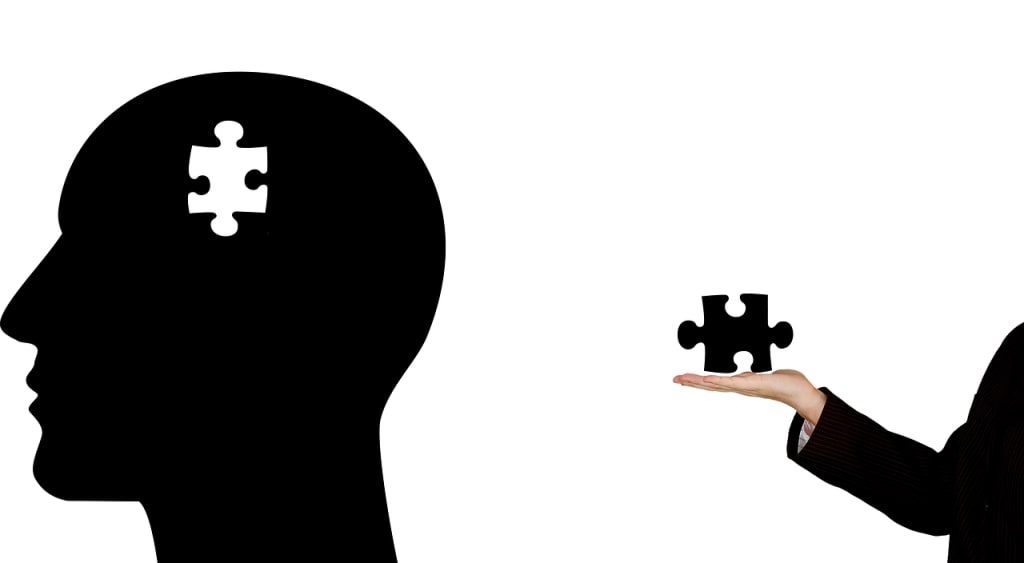
Mental health is more important than ever in today's fast-paced world. Stress, anxiety, and constant distractions have become a part of daily life, affecting our emotional well-being and productivity. Mindfulness practice is an efficient strategy for regaining control of your thoughts and feelings.
Understanding Mental Health
The state of our emotional, psychological, and social well-being is referred to as mental health. In everyday situations, it affects how we act, think, and feel. Good mental health helps us handle stress, relate to others, and make sound decisions. Sadly, many people don't take care of their mental health and only seek help when their problems become too much.
The Role of Mindfulness in Mental Health
Being fully present in the present moment is the practice of mindfulness. It involves not judging yourself and paying attention to your thoughts, feelings, and surroundings. Modern psychology has adopted mindfulness as a potent strategy for enhancing mental health, with its roots in ancient meditation practices. Mindfulness can improve emotional resilience, self-awareness, and stress reduction when practiced regularly. It teaches the mind to concentrate on the here and now rather than dwelling on the future or past.
Benefits of Mindfulness for Mental Health
Reduces Stress and Anxiety
1. Mindfulness helps people deal with stress in a calmer way. People can manage anxiety and reduce emotional tension by slowing down and observing their thoughts instead of reacting to them.
2. Enhances Concentration and Concentration
Concentration is sharpened through mindfulness practices like deep breathing and meditation. This allows the brain to filter out distractions, improving productivity and mental clarity.
3. Enhances Emotional Regulation
When people are mindful, they are able to recognize their feelings without becoming overwhelmed. As a result, mood swings and reactions to stressful situations become more manageable.
4. Promotes Self-Acceptance
Acceptance and self-compassion are fostered through mindfulness. It teaches people to embrace their strengths and flaws, resulting in a healthier self-image.
Simple Mindfulness Techniques for Beginners
Mindful Breathing
Without trying to control your breathing, simply concentrate on the inhale and exhale. When your thoughts start to wander, gently bring them back to your breath.
Body Scan Meditation
Mentally scan your body from head to toe, noticing any tension or discomfort. Stress can be reduced by connecting the mind and body through this practice.
Mindful Journaling
Writing down your feelings and thoughts helps clear your mind. Journaling promotes self-awareness and emotional clarity.
Mindful Walking
Take a walk outdoors and pay attention to each step, the sounds around you, and the feeling of the ground beneath your feet. Mindfulness is boosted and the mind is calmed by this easy exercise.
Creating a Daily Mindfulness Routine
Practicing mindfulness doesn’t require hours of meditation. Just 5-10 minutes daily can lead to noticeable improvements in mental health. Start small and gradually increase the duration as you get used to it. Mindfulness can be incorporated into everyday activities like eating, walking, and even dishwashing.
Final Thoughts
Mindfulness and mental health go hand in hand. As important as taking care of your body is taking care of your mind. The practice of mindfulness, which promotes self-awareness, reduces stress, and fosters emotional equilibrium, is simple but effective. Whether you're a student, a working professional, or a stay-at-home parent, taking a few mindful minutes each day can help you find inner peace and happiness that lasts a lifetime.
Conclusion
Mental health is the foundation of a happy and balanced life, and mindfulness offers a simple yet powerful way to nurture it. By practicing mindfulness, you learn to slow down, observe your thoughts without judgment, and create space for emotional clarity and calm. This daily routine aids in stress reduction, enhances focus, and strengthens connection to the now. Additionally, mindfulness fosters self-compassion, making it simpler to deal with difficulties in life with perseverance and strength. It is not selfish to put your mental health first; rather, it is essential to having a peaceful, meaningful, and satisfying life both inside and out.
About the Creator
Dipak Chakraborty
Curious mind with a passion for health, science, and personal growth. I write to inspire, inform, and motivate readers on their journey to a better life — one article at a time.
Keep reading
More stories from Dipak Chakraborty and writers in Psyche and other communities.
Will AI Take Your Job ?
People all over the world are asking the same thing: Will artificial intelligence eventually take over human jobs? It's a topic that makes people both curious and afraid. Machines and algorithms that can write, design, code, drive, predict, and even talk like humans have been introduced as a result of AI's rise. However, the truth is more nuanced than a straightforward yes or no. It is not just about replacing jobs; rather, it is about reshaping them. AI is altering the meaning of work and the skills that are most valuable, not eliminating the need for human workers. Automating routine work was the first step in introducing AI to workplaces. Data entry, customer support, financial analysis, and even some medical diagnoses are now handled by software bots.
By Dipak Chakraborty10 months ago in Futurism
Learn to Be Alone...
We often find that people are told to stop making 'X, Y and Z' their personality. Well, this only arose in the social media age as especially women's interests: reading, dramas, art etc. was heavily criticised as being 'useless'. It is historically well-documented that though many men require the work of women, whether it be through unpaid labour or entertainment, they also refuse to acknowledge it is important. This is why since it has been something of recognition, they have been complaining of a 'loneliness epidemic' now that women are withholding access.
By Annie Kapur27 days ago in Psyche
Who Do You Look Up To?
My name is Elizabeth, and I am a survivor of sexual abuse and trauma. I endured things, terrible things when I was growing up. I was just a young sprout, but my lack of years and stature, failed to tell everyone what I had already lived through and seen with my young eyes.
By Elizabeth Woods5 days ago in Psyche
Pearl
1980 something. we all hung out at Pearl and you and i were nothing special, or so i thought. i mean we all danced, drenched in our own sweat, our own saline solution of fear, too many beers, shots, laughter, tears, fucks in the bathroom and i don't know when we began to be afraid. do you?
By ROCK aka Andrea Polla (Simmons)4 days ago in Fiction


Comments
There are no comments for this story
Be the first to respond and start the conversation.