
Will AI Take Your Job ?
How careers are being reshaped by AI and why you should adapt not to be afraid

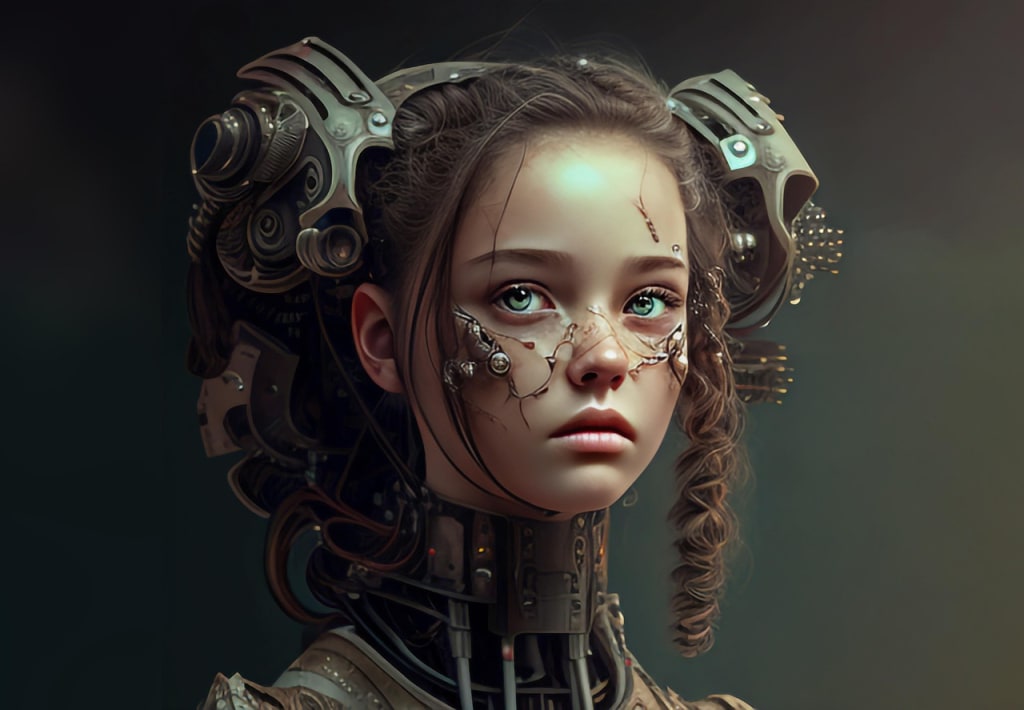
People all over the world are asking the same thing: Will artificial intelligence eventually take over human jobs?
It's a topic that makes people both curious and afraid. Machines and algorithms that can write, design, code, drive, predict, and even talk like humans have been introduced as a result of AI's rise. However, the truth is more nuanced than a straightforward yes or no. It is not just about replacing jobs; rather, it is about reshaping them. AI is altering the meaning of work and the skills that are most valuable, not eliminating the need for human workers. Automating routine work was the first step in introducing AI to workplaces. Data entry, customer support, financial analysis, and even some medical diagnoses are now handled by software bots.
This enables businesses to cut down on human error, which has always been a part of manual labor, and save time. However, as AI takes over these routine tasks, a new space opens up for humans to concentrate on creative thinking, problem-solving, and emotional intelligence, which are the very skills that machines cannot yet duplicate. It's easy to think that AI will take over all jobs, but not all jobs are easy to automate. People still play crucial roles that require empathy, human connection, creativity, and critical thinking. Therapists, creative writers, designers, entrepreneurs, educators, and healthcare professionals all rely on empathy, understanding, and human instincts. Even the most intelligent AI models cannot replicate these human characteristics. When it comes to building relationships, overcoming unique obstacles, and providing support, the human element is still unassailable, despite the fact that machines can simulate conversations or offer suggestions. In the age of AI, the people who are able to collaborate with AI are the real winners, not the machines or humans alone.
Today, a growing number of jobs necessitate not only expertise in your field but also the ability to use AI tools to perform tasks more effectively and quickly. From writing reports to designing graphics and even organizing meetings, AI is becoming an everyday assistant. This indicates that the workers who combine human intelligence with machine efficiency are the most valuable. The skills you learn today are more important than ever if you want your career to survive and expand in this new environment. Emotional intelligence, adaptability, creative problem-solving, and critical thinking are just a few of the human skills that will continue to be in high demand. Despite their incredible speed at which they can process data and spot patterns, machines still need human judgment to make moral choices, offer emotional support, and invent new concepts. In the workplace of the future, humans will collaborate with machines rather than compete with them.
AI-powered diagnostic tools are used by doctors, AI simulations are used by engineers to test ideas before building real products, and AI is used by writers to come up with ideas and edit articles. Working together speeds up, improves accuracy, and frequently makes work more enjoyable. Those who embrace and adapt to these tools will gain access to previously unheard-of opportunities and roles, while those who resist them run the risk of being left behind. Although the fear that AI will take over every job is frequently exaggerated, it is normal to be concerned about the rate of change.
Instead, AI is freeing people up to focus on bigger challenges and more meaningful work by taking boring, repetitive tasks off their plates. The smarter question for anyone in any field is not whether or not AI will replace them, but rather how they can use AI to improve their skills. The future belongs to those who are curious enough to learn how to use AI. AI is here to stay. The tools are already available, regardless of whether you work in marketing, health care, design, education, or business. Mastering them will not only safeguard your position, but it could also propel your career to new heights.
About the Creator
Dipak Chakraborty
Curious mind with a passion for health, science, and personal growth. I write to inspire, inform, and motivate readers on their journey to a better life — one article at a time.
Keep reading
More stories from Dipak Chakraborty and writers in Futurism and other communities.
Electric Vehicles: What's New in 2025 ?
The "early adopter" phase of electric vehicles (EVs) is officially over and they are now mainstream. 2025 is shaping up to be a ground-breaking year for the EV industry as the world moves toward cleaner, smarter, and more effective modes of transportation. Let's take a look at the most recent trends that will shape electric mobility's future.
By Dipak Chakraborty11 months ago in Futurism
Glamping Market Report: Revenue Insights, Regional Growth & Future Outlook
According to IMARC Group's latest research publication, the global glamping market size was valued at USD 3.6 Billion in 2025. Looking forward, IMARC Group expects the market to reach USD 9.3 Billion by 2034, exhibiting a growth rate (CAGR) of 11.16% during 2026-2034.
By sujeet. imarcgroup7 days ago in Futurism
When the Shelter Closes
Across the street from my house, a man slept under a tree, his dog by his side. My first, naive thought: he must be traveling through. But he kept coming back, often sleeping there during the day. Then it hit me—that person might not have a home.
By Bride of Sound4 days ago in Humans



Comments (1)
Wondering if AI will replace your job? Read this article to find out how AI is actually reshaping careers and why you should adapt, not fear!