
Information About Depression
Plus little-known facts.

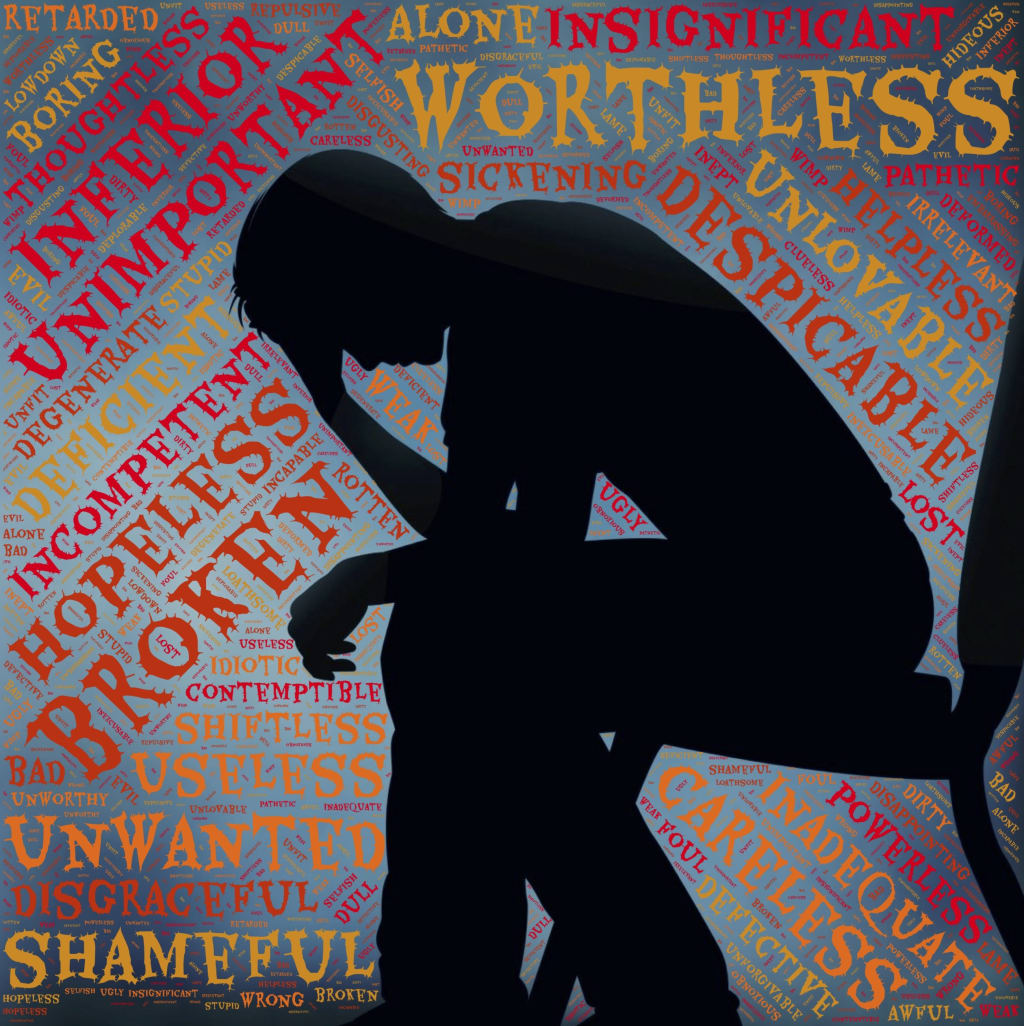
INFORMATION ABOUT DEPRESSION.
Depression is a common and serious mood disorder that affects how a person feels, thinks, and behaves. It can cause a wide range of physical and emotional symptoms, including feelings of sadness, hopelessness, and loss of interest in activities that were once enjoyable. Depression can also cause changes in appetite, sleep patterns, and energy levels, as well as difficulty concentrating, remembering details, and making decisions.
There is no single cause of depression, and it often arises from a combination of genetic, environmental, and psychological factors. Stressful life events, such as the death of a loved one, a divorce, or financial problems, can trigger depression in some people. Chronic medical conditions, such as diabetes or heart disease, can also increase the risk of developing depression.
Treatment for depression typically involves a combination of medication and therapy. Antidepressant medications, such as selective serotonin reuptake inhibitors (SSRIs), can help to improve mood and alleviate symptoms of depression. Cognitive-behavioral therapy (CBT), a type of talk therapy, can also be effective in treating depression by helping a person identify and change negative thinking patterns and behaviors.
If you are experiencing symptoms of depression, it is important to seek help from a mental health professional. With appropriate treatment, most people with depression can improve their symptoms and lead fulfilling lives.
Here Are a Few Little-Known Facts About Depression:
1. Depression can affect people of any age, including children and older adults.
2. Depression is not the same as feeling sad or going through a difficult time. It is a serious mental health condition that can interfere with a person's ability to carry out daily activities and can lead to other health problems if left untreated.
3. Depression is not a sign of weakness or a character flaw. It is a medical condition that requires professional treatment.
4. Exercise and physical activity can be an effective treatment for depression, as it can help to improve mood and reduce stress.
5. Depression can occur at any time, but it is more common during certain life transitions, such as adolescence, pregnancy, and menopause.
6. Depression can be treated with a combination of medication and therapy, and most people with depression experience significant improvement with treatment.
7. Depression can co-occur with other mental health conditions, such as anxiety disorders and substance abuse disorders.
8. Depression can increase the risk of physical health problems, such as heart disease and diabetes.
9. Depression is a leading cause of disability worldwide.
10. There is no shame in seeking help for depression. It is a common and treatable condition, and there is no reason to suffer in silence.
Here Are Some Steps You Can Take To Get Help For Depression:
Talk to your primary care doctor or mental health professional. They can assess your symptoms and determine the best course of treatment for you.
Consider a referral to a specialist. Your primary care doctor or mental health professional may refer you to a psychiatrist, a medical doctor who specializes in the treatment of mental health conditions.
Find a therapist or counselor. A therapist or counselor can help you work through your feelings and develop coping strategies to manage your depression.
Join a support group. Connecting with others who have experienced depression can be a valuable source of support and encouragement.
Consider medication. Antidepressant medications can be effective in treating depression, and they may be recommended by your doctor or mental health professional.
Take care of yourself. In addition to seeking professional help, it is important to take care of yourself by getting enough sleep, eating a healthy diet, and engaging in physical activity.
Remember, seeking help for depression is a brave and important step towards improving your mental health. Do not be afraid to ask for help, and do not be afraid to reach out to a trusted friend or family member for support.
About the Creator
Keep reading
More stories from Eduardo R Vargas and writers in Psyche and other communities.
How Self-Help Books Can Help You Overcome Your Fears and Go For What You Want
They can help you gain understanding and insight. Self-help books are designed to help you gain insight and understanding into the way you think and feel. They will often examine different factors that may be holding you back, such as your beliefs and childhood experiences. They may also help you to develop new skills and learn healthier ways of coping with negative emotions and situations. The more insight you have into yourself and the way you think and feel, the easier it will be to overcome your fears and go for what you want. You may not necessarily be able to change the fact that you have a particular fear or phobia, but you can change the way you react to it so that it’s no longer such a limiting factor in your life.
By Eduardo R Vargas3 years ago in Motivation


Comments
There are no comments for this story
Be the first to respond and start the conversation.