
Don’t Let Seasonal Depression Steal Your Sunshine
A New Solution For Season Affective Disorder
Oftentimes, when the winter months come we start to feel depressed. If the shorter daylight hours and cold temperatures take a toll on your mood around this time each year, you are not alone. Seasonal Affective Disorder (SAD) affects over 3 million Americans every year! In places such as Florida, roughly 1 in every 100 people experience SAD, while that number jumps to 1 in every 10 people in Alaska.
It is easy to feel in a rut when we dread leaving a warm bed for a dark, frigid morning, and there are times that it seems like spring will never come again. We get tired of looking out the window into the browns of winter trees and yearn for the bright greens of leaves and the multitude of colorful flowers to lift our spirits.
Sometimes we feel like we need just one day off to relax and gain some energy back, and other times it can be more severe. Avoiding spending time with friends, having thoughts of worthlessness, lack of energy, and difficulty concentrating are just a few of the intense symptoms that may appear with SAD, and nobody should have to suffer through that alone.

What Causes Seasonal Affective Disorder?
You may ask yourself, ‘why is this happening to me, my mental health is usually stable?’ Seasonal depression can affect anyone, even those who do not face mental health issues during the rest of the year. It is important to realize that suffering from SAD is biological and not personal; when there are fewer sunlight hours, our biological clocks are disrupted and the reduced sunlight can cause a drop in serotonin. In turn, other chemicals can be disturbed, such as melatonin that can disrupt your sleep pattern. These feelings of tiredness and depression are linked to the winter environment, and it can be frustrating that this is out of our control.
A Green Solution
We are missing not only the warm weather but also everything that comes along with it; by spending time outdoors surrounded by greenery, whether going on a nature walk or gardening in the yard, we find joy and relaxation in interacting with nature.
Plants have been scientifically shown to generate happiness! Growing plants in your space, whether it's your home or office (or both) can help improve your mood substantially. Interacting with plants reduces stress and feelings of loneliness; having something to care for in the home can be not only relaxing but make you feel purposeful. The desire to connect with nature is a human instinct, and doing so increases creativity and soothes the nervous system.
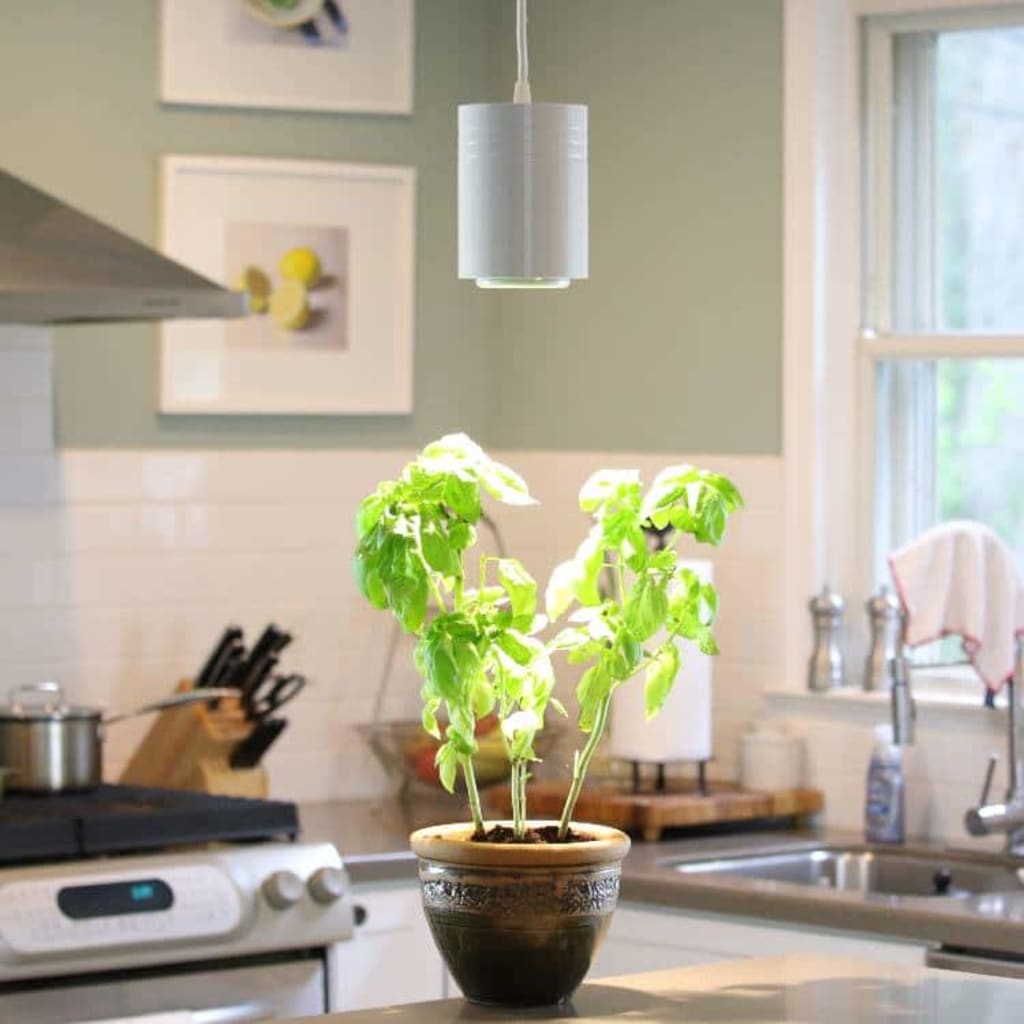
Simply put, plants support a healthy body and a healthy mind! By incorporating plants into your home, you can help reduce the effects of SAD and brighten your space. Purchasing a grow light is a great way to grow plants indoors while eliminating worry about perishing due to a lack of sunlight. Using a grow light allows you to bring beautiful plants into the dreary rooms of your home to bring life and cheer to your living space. A good grow light can also do double duty, as studies have shows that increased exposure to bright sun lamps helps those who suffer from SAD.
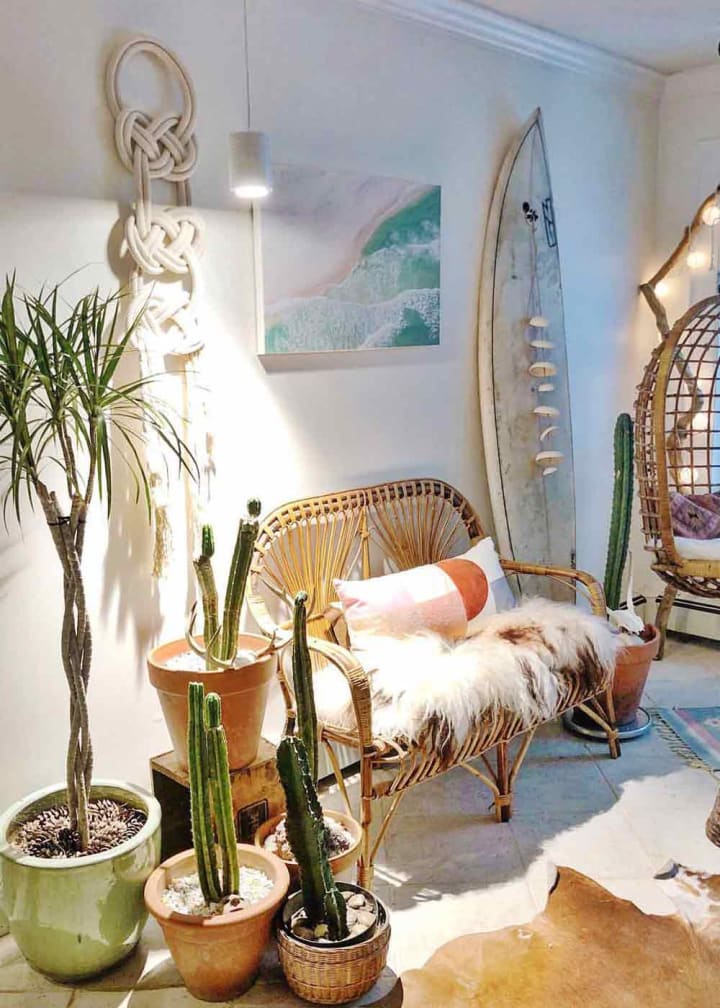
When choosing what plants you want to add to your space, if you are a new plant parent or are looking for an option that won’t take too much energy to maintain, a low-maintenance plant is a great choice. Spider Plants, Pothos, and Snake Plants are all beautiful indoor plants that will add nature to your home without requiring much upkeep. This way, you can incorporate greenery into your home and reap the benefits of nature while gradually adapting to taking care of a new plant!

SAD can have a sizable negative impact on our lives each winter, and adding greenery to our space is one way to help reduce the symptoms and continue enjoying our lives despite the somber season.
If you or someone you love is struggling with Seasonal Affective Disorder, find resources at Mental Health America.
Sources
[i] Nolen-Hoeksema, Susan (2014). Abnormal Psychology (6th ed.). New York, New York: McGraw-Hill Education. p. 179. ISBN 978-1-259-06072-4.
[ii] Seasonal affective disorder (SAD): Symptoms. MayoClinic.com (September 22, 2011). Retrieved on March 24, 2013.
[iii] Seasonal affective disorder (SAD): Treatments. MayoClinic.com (September 22, 2011). Retrieved on March 24, 2013.
[iv] Nesse, Randolph M; Williams, George C (1996). Why We Get Sick (First ed.). New York: Vintage Books. ISBN 0812922247.
[v] Avery, D. H.; Eder, D. N.; Bolte, M. A.; Hellekson, C. J.; Dunner, D. L.; Vitiello, M. V.; Prinz, P. N. (2001). “Dawn simulation and bright light in the treatment of SAD: A controlled study”. Biological Psychiatry. 50 (3): 205–216. PMID 11513820. doi:10.1016/S0006-3223(01)01200-8.
[vi]Brethour 2007, Collins 2008, Dunnet 2000, Etcoff 2007, Frank 2003, Haviland-Jones 2005, Hartig 2010, McFarland 2010, Rappe 2005, Waliczek 2000. https://ellisonchair.tamu.edu/health-and-well-being-benefits-of-plants/#.WftKfGiPKUk[/vc_column_text][/vc_column][/vc_row/
[vii] Sweet, Joni. “What Houseplants Can Do for Your Mental Health during Lockdown.” Verywell Mind, Verywell Mind, 28 Jan. 2021, https://www.verywellmind.com/mental-health-benefits-of-houseplants-5097479.
About the Creator
Keep reading
More stories from writers in Psyche and other communities.
Silver Screen Magic with Mae West
American actress and singer Mae West became a popular film actress during the Great Depression. She started entertaining in vaudeville, then performed on Broadway, and finally went to Hollywood. She signed up with Paramount Pictures and made her debut in the 1932 film “Night After Night.” She also starred in musicals, comedies, and crime dramas. The American Film Institute named her one of the best classic Hollywood actresses.
By Rasma Raisters5 days ago in Geeks


Comments
There are no comments for this story
Be the first to respond and start the conversation.