
10 Birds That Lay Colorful Eggs
Discover the fascinating world of birds and the colorful eggs they lay, showcasing the diversity and beauty of avian life.


Birds are one of nature’s most fascinating creatures, and their eggs are just as intriguing. From soft blues to speckled patterns, bird eggs can be incredibly vibrant and beautiful. While some birds lay plain, white eggs, many species have evolved to lay eggs in an array of colors and patterns, which may serve various purposes, from camouflage to attracting mates. Here are 10 birds that lay colorful eggs, highlighting the stunning variety of avian egg-laying traditions.
1. American Robin (Turdus migratorius)
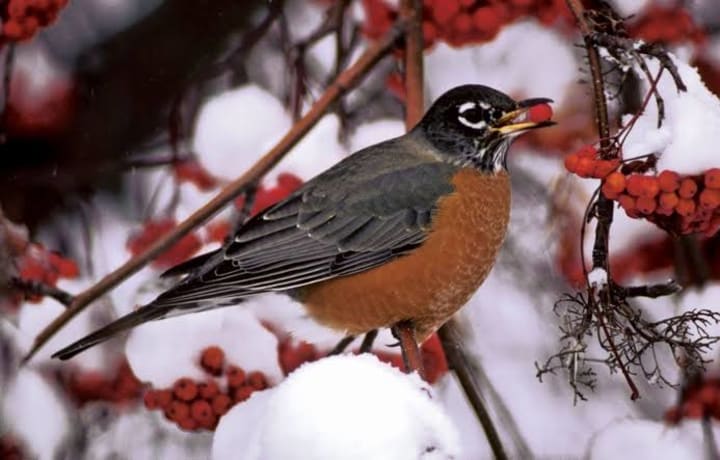
The American Robin is known for its striking blue eggs. Often a bright sky blue or turquoise, these eggs are a common sight in suburban yards and woodlands across North America. The robin’s eggs are often speckled with darker flecks, adding an extra layer of beauty to their vibrant hue. These eggs help them blend in with the environment, camouflaging the nest from predators.
2. Eastern Bluebird (Sialia sialis)

As the name suggests, Eastern Bluebirds lay beautiful blue eggs. These eggs are typically pale to medium blue, and their striking color contrasts sharply against the natural surroundings of tree cavities and nest boxes where the bluebird builds its nest. Blue is a common egg color for cavity-nesting birds, providing a soothing yet effective camouflage.
3. Bowerbird (Ptilonorhynchidae family)

Bowerbirds, found primarily in Australia and New Guinea, are famous for their elaborate courtship behavior. Males build intricate nests (called bowers) and decorate them with a wide array of colorful objects, from flowers to pieces of plastic. They also lay eggs that are beautifully patterned, often in shades of blue or green with speckling. These eggs add to the bower’s vibrancy, and the males use the eggs to attract potential mates.
4. Common Eider (Somateria mollissima)

The Common Eider, a large sea duck found in the northern parts of the world, lays stunningly pale, turquoise-green eggs. These eggs have a soft, pastel hue that blends in well with the duck’s coastal nesting sites. The Eider's nesting behavior is also interesting as the female lines the nest with down feathers from her own body, giving the eggs extra warmth and protection.
5. Mandarin Duck (Aix galericulata)

Mandarin Ducks are known for their stunning plumage, but they also lay beautiful eggs. Their eggs are a pale greenish-blue, often speckled or mottled with darker spots. These eggs, along with the striking color of the female’s feathers, add to the overall aesthetic of the nesting site, making the Mandarin Duck one of the most visually appealing bird species both in appearance and egg color.
6. American Woodcock (Scolopax minor)

The American Woodcock, a ground-dwelling bird found in North America, lays eggs that are a unique shade of buff or pale brown, often speckled with darker flecks. These eggs are excellent for camouflage in the forest floor, where the woodcock builds its nest. The natural coloration helps protect the eggs from predators and harsh environmental conditions.
7. Peafowl (Pavo cristatus)

While the male peacock is famous for its elaborate, iridescent tail feathers, the female peafowl, or pea hen, lays eggs that are an understated yet elegant creamy white or pale green. These eggs, while not as vibrantly colored as some, have a natural beauty and are important for the survival of the species, as the birds incubate them carefully in hidden nests to avoid detection from predators.
8. Quail (Coturnix coturnix)

Quail are small, ground-nesting birds that lay eggs in shades ranging from tan to cream, with speckled patterns of brown or dark gray. The speckling on quail eggs not only provides camouflage against the environment but also adds to their visual appeal. These eggs are highly prized in many cultures for both their beauty and their flavor, often used in culinary dishes.
9. Killdeer (Charadrius vociferus)
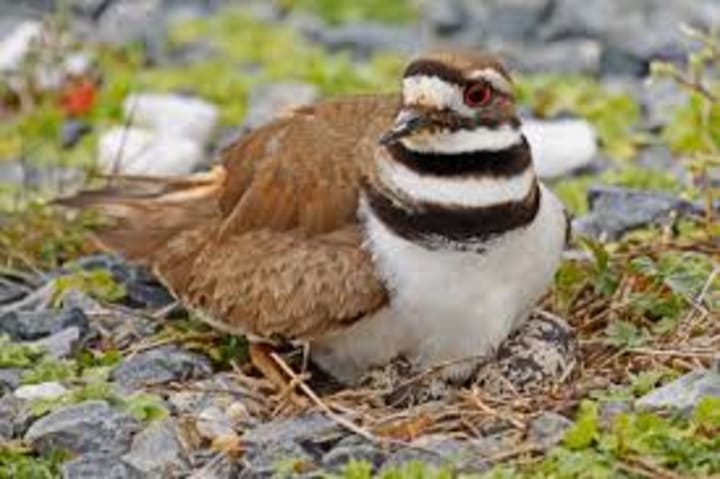
The Killdeer, a type of plover found in North America, lays eggs that are beautifully patterned with a mix of browns, greens, and tans. The eggs are typically speckled and have an overall muted tone that makes them look like pebbles on the ground, helping them remain hidden from predators. Killdeer are known for their "broken wing" display, a behavior they use to distract predators away from their nests.
10. Snowy Egret (Egretta thula)

The Snowy Egret, with its striking white plumage, also lays eggs that are a pale, soft greenish-blue color. These eggs are often spotted with a few darker speckles, which help camouflage them in the nesting sites. The Snowy Egret's graceful appearance is complemented by the soft beauty of its eggs, which hatch into chicks that carry on the elegant traditions of the species.
Why Do Birds Lay Colorful Eggs?
Birds’ egg colors and patterns can serve a variety of purposes. Camouflage is a primary reason for the diversity in egg coloration. Many birds lay eggs that blend in with their natural environment, making it harder for predators to spot them. The speckled patterns on eggs, for instance, can mimic the look of pebbles or leaves, offering protection to the vulnerable young inside. Other times, bright or distinctive eggs may play a role in mate selection or serve as a signal to other birds about the health and vitality of the eggs.
Conclusion
From the bright blue eggs of the American Robin to the speckled treasures laid by the Killdeer, birds across the world create nests filled with colorful eggs. Each bird species has adapted its egg coloration to suit its environment and reproductive needs. Whether for camouflage, mate attraction, or another evolutionary advantage, the vibrant colors of bird eggs are a testament to the incredible diversity of life in the avian world. These ten birds are just a glimpse into the wonderful variety of egg colors found in nature, making birdwatching an even more exciting hobby for enthusiasts.
About the Creator
Keep reading
More stories from INFO INSIDER and writers in Proof and other communities.
10 Longest Railway Tunnels In The World
Railway tunnels have long captured the imagination of engineers and travelers alike, representing the intersection of ambition, ingenuity, and progress. Spanning vast distances and cutting through formidable terrain, these tunnels are not just transportation links but also symbols of human perseverance. Below is a list of the ten longest railway tunnels in the world, each an engineering marvel in its own right.
By INFO INSIDER about a year ago in Proof
Cosmic Cocktails: Galaxy-Inspired Drinks to Dazzle Your Night
When it comes to cocktails, sometimes you want to shoot for the stars—literally. Galaxy cocktails have taken the bar scene by storm, dazzling drinkers with shimmering colors, swirling patterns, and out-of-this-world flavors. These cosmic cocktails look like they were plucked from a nebula, glowing softly with iridescent hues that shift from deep purples to electric blues and shimmering silvers. They’re the perfect drinks for anyone who wants to add a little magic and mystery to their night.
By Vivian Chenabout 13 hours ago in Proof
Spiced Cocktails to Warm Your Winter Nights
Winter calls for drinks that wrap you up like a cozy blanket. Spiced cocktails, with their rich aromas and warm flavors, are the perfect remedy for chilly evenings. Imagine the scent of cinnamon, clove, nutmeg, and allspice swirling in your glass, teasing your senses before the first sip. These spices don’t just add flavor — they bring a comforting warmth that feels like a hug from the inside out.
By Marcus Petrov3 days ago in Proof




Comments (1)
Nice eggs! Great work!