
20 Signs of Fake Love: How to Identify a Loveless Relationship
Unmasking Love's Illusion: Recognizing the Signs of a Loveless Relationship
Introduction
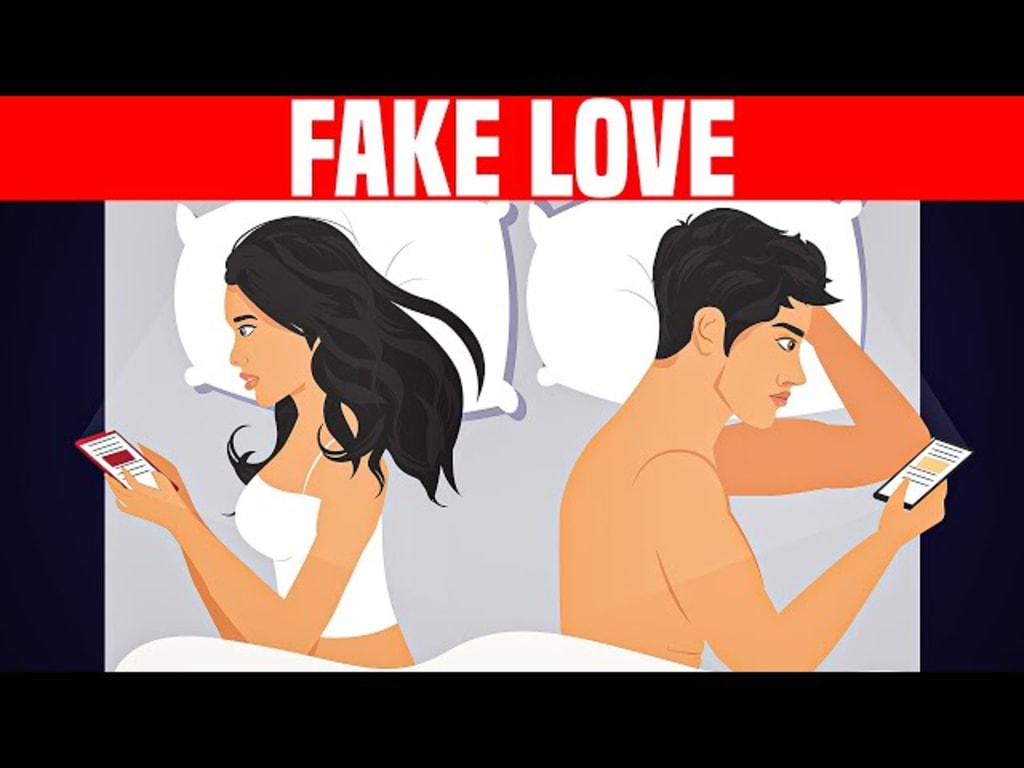
Love is a complex and beautiful emotion that brings joy, fulfillment, and support to our lives. However, not all relationships are built on genuine love. In this article, we will explore 20 signs that can help you identify fake love in a relationship. Whether you're questioning the authenticity of your current relationship or want to be better prepared for future romantic endeavors, understanding these signs will empower you to make informed decisions about your love life. Let's dive in and uncover the truth behind fake love.
1. Refusing Compromise: A Lack of Sacrifice
All couples encounter challenges, but those who truly love each other find ways to compromise. Genuine love involves making sacrifices and caring about your partner's happiness as much as your own. However, if your partner consistently refuses to compromise and is unwilling to make sacrifices, it may be a sign that their love for you is not genuine.
2. Intentional Spontaneity: The Effort of Planning
One way to demonstrate care and affection in a relationship is through intentional spontaneity. When you plan dates or activities for your partner, it shows the effort you've invested in the relationship. However, if your partner consistently fails to make any effort to plan dates or activities, leaving the responsibility solely on your shoulders, it could indicate a loveless relationship where you're doing all the heavy lifting.
3. The White Flag: Lack of Perseverance
In a genuine relationship, both partners fight for each other. They are willing to weather storms and overcome challenges together. However, if your partner gives up easily and waves the white flag at the first sign of trouble, it suggests a lack of commitment and a reluctance to persevere through hardship or conflicts. Fake partners tend to love when it's easy and retreat when things become difficult.
4. Guarding Their Feelings: Emotional Walls
A loving partner makes an effort to be vulnerable and open up emotionally. They strive to deepen the connection with their significant other. However, in a loveless relationship, one partner may keep their emotions at arm's length, avoiding vulnerability and preventing the deepening of the emotional bond. While some partners may initially seem closed off due to past experiences, loveless partners consistently keep their emotional walls intact.
5. Creating Distance: Avoidance of Quality Time
Couples in love cherish spending time together and prioritize nurturing their relationship. However, if your partner consistently pulls away and avoids spending quality time with you, it indicates a lack of love. They may always be busy or come up with last-minute excuses, creating emotional and physical distance. If you feel that your partner is consistently creating distance between you, their feelings for you might be fading.
6. Public Neglect: Concealing Affection
In a genuine and loving relationship, partners are proud of each other and openly express their affection. However, in a loveless relationship, one partner may neglect or even hide you in public. They might ditch you to hang out with their friends or intentionally keep you hidden. If your partner exhibits such behavior, it is a clear indication of fake love.
7. Emotional Discomfort: Feeling Insecure
Feeling uncomfortable around your partner is a crucial sign of fake love. Your partner should be the person with whom you feel most at ease, your confidant and best friend. If your partner makes you feel insecure, undermines your choices, and attempts to control you, it's a sign of a loveless relationship. Genuine love builds confidence, safety, and security, while fake love seeks to control and manipulate.
8. Invisible Romance: Lack of Romantic Gestures
Romantic gestures are essential for keeping the spark alive in a relationship. They remind your partner that they matter and reinforce the reasons why you fell in love in the first place. While your partner doesn't need to be the most romantic person in the world, they should show care and affection. If your partner consistently fails to make any effort to be romantic, it may indicate a lack of love.
9. Passing Blame: Avoiding Responsibility
Genuine partners take responsibility for their mistakes and are willing to apologize when they're wrong. However, fake partners never admit their faults and often deflect blame onto others, especially their significant other. They prioritize their own happiness and have little regard for how their actions affect their partner. Their love is overshadowed by self-centeredness.
10. The Attention Deficit: Lack of Focus
Loving partners give undivided attention to their significant other. They prioritize being present and attentive, making their partner feel valued and cherished. Conversely, fake partners may pay attention to everything except their partner. They fail to make time for you, don't listen to you, and prioritize other things over your relationship. In their mind, you are not a priority.
11. Subconscious Pronouns: The Language of the Future
A significant aspect of long-term relationships is how partners talk about the future. If your partner envisions a future with you, they will use pronouns like "we" and "us." This language reflects their commitment and love for you. However, if your partner predominantly uses pronouns like "I" and "me" when discussing the future, it suggests that they don't see you as a part of their long-term plans.
12. Mutual Unhappiness: Failing to Bring Out the Best
In a loving relationship, both partners bring out the best in each other. They foster happiness, growth, and support. However, if you find yourself consistently unhappy around your partner or witness their lack of happiness when you're together, it may indicate a loveless relationship. Genuine love should uplift and inspire, not bring constant dissatisfaction.
13. Invasions of Privacy: Lack of Respect
While sharing is an important aspect of a relationship, maintaining individual privacy is equally vital. In a loveless relationship, one partner may invade the other's privacy, displaying signs of insecurity and control. They may breach boundaries, check phones without permission, and accuse their partner of betraying trust. Respect for privacy is crucial, and a lack thereof signifies a problematic dynamic.
14. Hiding Secrets: Lack of Transparency
While privacy is essential, keeping secrets from your partner is a red flag. Genuine partners willingly share their lives and intimate details, fostering trust and emotional intimacy. On the other hand, loveless partners actively hide significant aspects of their lives, creating a barrier between themselves and their significant other. Secrets and lies erode the foundation of love and trust.
15. Demanding Change: Disregard for Authenticity
True love accepts and embraces partners for who they are, flaws and all. However, fake partners often demand changes, seeking to mold their significant other into someone they expect them to be. They don't love the person but rather an idealized version of them. Demanding change is manipulative and indicative of a lack of genuine love.
16. Unloving Language: Lack of Expression
Loving partners find ways to express their feelings and affection. While they may not say "I love you" constantly, their actions speak volumes. However, if your partner consistently fails to express affection or does not demonstrate their love, it may be a sign of fake love. The absence of verbal and non-verbal expressions indicates that their love is superficial or nonexistent.
17. Petty Conflict: Searching for Fights
Fake partners often engage in petty conflicts over insignificant matters. They pick fights for no apparent reason, creating unnecessary tension and frustration. This behavior stems from the realization that their love is not genuine, leading to unresolved feelings and dissatisfaction. Genuine love is built on understanding and resolving conflicts, not searching for reasons to fight.
18. Taking Breaks: Questioning Commitment
If your partner suggests taking breaks in the relationship, it raises a significant red flag. True love desires to be with the other person, prioritizing their presence and connection. Taking breaks can signify a lack of commitment and may lead to exploring relationships with other people. In a genuine loving relationship, both partners actively work on their connection, even during challenging times.
19. The Priority List: Low on the List
In a loving relationship, partners prioritize each other and willingly invest time and effort. However, in a loveless relationship, you may find yourself low on your partner's priority list. They may choose work, friends, and hobbies over spending quality time with you. Making you wait or frequently canceling plans indicates that their love for you is either nonexistent or diminishing.
20. Drawing Comparisons: Manipulative Tactics
Fake partners often compare their significant other to other people in their life. They may threaten to find someone else if you make a mistake or fail to meet their expectations. This behavior is manipulative and controlling, aimed at pressuring you to change. Genuine love accepts you for who you are and doesn't seek to undermine your self-worth.
Remember, recognizing these signs can help you assess your relationship and make informed decisions about your future. Love should be nourishing, supportive, and uplifting. Don't settle for fake love; you deserve authentic, unconditional love.
Conclusion
Identifying the signs of fake love is crucial for maintaining healthy relationships. Refusing compromise, intentional spontaneity, giving up easily, guarding emotions, creating distance, public neglect, emotional discomfort, invisible romance, passing blame, attention deficit, subconscious pronouns, mutual unhappiness, invasions of privacy, hiding secrets, demanding change, unloving language, petty conflict, taking breaks, low priority, and drawing comparisons are all warning signs of fake love.
If you find yourself experiencing these signs consistently, it may be time to reassess your relationship and consider whether it's truly based on love or if it's a loveless situation. Remember, genuine love involves mutual respect, trust, communication, and a willingness to grow together.
FAQs (Frequently Asked Questions)
1. How can I differentiate between genuine compromise and refusing compromise?
Genuine compromise is characterized by both partners being willing to make sacrifices for the betterment of the relationship. Refusing compromise, on the other hand, occurs when one partner consistently rejects any form of compromise, prioritizing their own needs and desires above the relationship.
2. Is it normal for partners to take breaks in a relationship?
While every relationship is unique, taking breaks can indicate underlying issues and a lack of commitment. It's essential to communicate openly with your partner and address any concerns or challenges together.
3. What should I do if I suspect my partner is hiding secrets?
Open and honest communication is crucial in any relationship. Express your concerns to your partner and encourage them to share their thoughts and feelings. Building trust requires transparency and vulnerability from both sides.
4. How can I tell if my partner's love is genuine?
Genuine love is demonstrated through consistent actions, expressions of affection, and a desire to support and grow with your partner. It's important to observe how your partner treats you and assess whether their love aligns with your needs and expectations.
5. What steps can I take if I determine my relationship is based on fake love?
If you discover that your relationship lacks genuine love, it may be necessary to evaluate whether it's worth continuing. Consider seeking support from friends, family, or a therapist to help navigate this process and make the best decision for your well-being.
About the Creator
ILYAS KHAN
Welcome to my heart.
✨Where everything is possible. ❤️🔥
Thank you all for reading my content! 💫
Don’t forget to tap the tiny heart, comment, & subscribe for more content. 💕💕
I will be sure to send love back to you. 💚
Keep reading
More stories from ILYAS KHAN and writers in Poets and other communities.
8 Hidden Signs of Depression: Spotting the Invisible Enemy
Depression is a silent battle that millions of people around the world face. Often, those who suffer from depression go unnoticed, as they hide their pain behind a façade of normalcy. Recognizing the signs of depression is crucial, as early intervention can save lives. In this article, we will explore eight hidden signs of depression that should never be ignored. By familiarizing ourselves with these signs, we can help identify depression in ourselves, our friends, and our family members, enabling us to provide the much-needed support and help. Let's delve into these hidden signs and shed light on this pervasive mental illness.
By ILYAS KHAN3 years ago in Confessions


Comments
There are no comments for this story
Be the first to respond and start the conversation.