
8 Hidden Signs of Depression: Spotting the Invisible Enemy
Unveiling the Silent Struggles: Uncovering 8 Subtle Indicators of Depression
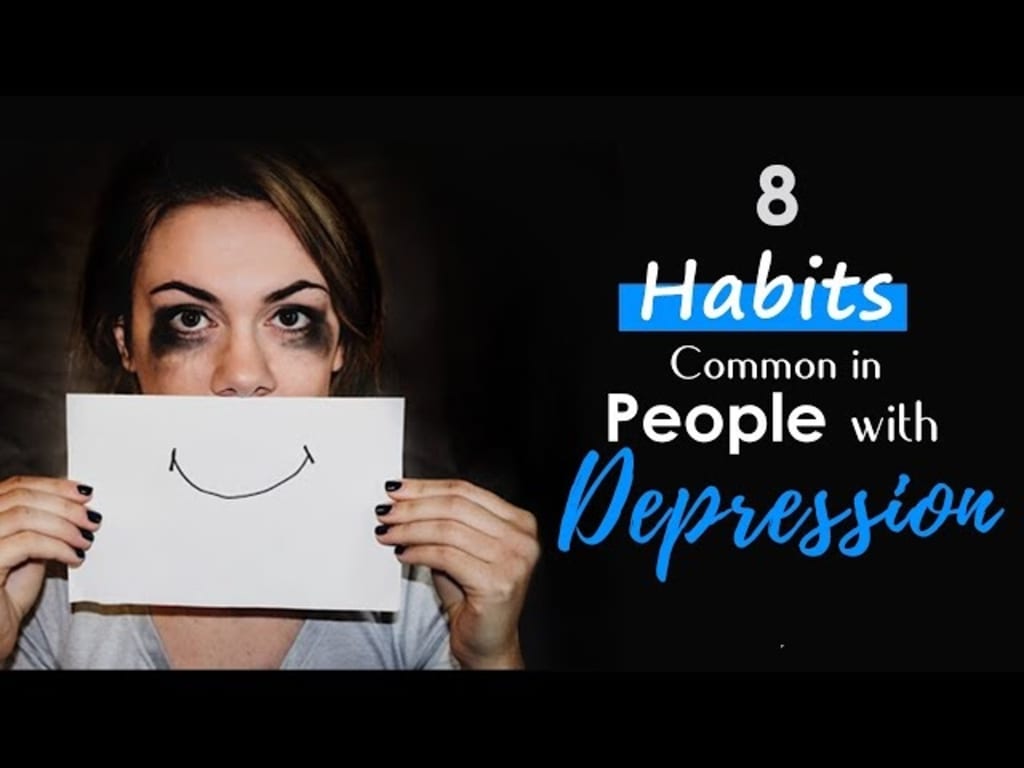
Depression is a silent battle that millions of people around the world face. Often, those who suffer from depression go unnoticed, as they hide their pain behind a façade of normalcy. Recognizing the signs of depression is crucial, as early intervention can save lives. In this article, we will explore eight hidden signs of depression that should never be ignored. By familiarizing ourselves with these signs, we can help identify depression in ourselves, our friends, and our family members, enabling us to provide the much-needed support and help. Let's delve into these hidden signs and shed light on this pervasive mental illness.
Outline:
1. Introduction
2. Sign 1: Overwhelming Hopelessness
3. Sign 2: Disturbed Sleeping Patterns
4. Sign 3: Loss of Energy and Interest
5. Sign 4: Withdrawal and Isolation
6. Sign 5: Self-Hatred and Low Self-Esteem
7. Sign 6: Fluctuations in Appetite
8. Sign 7: Mood Swings and Irritability
9. Sign 8: Preoccupation with Death
10. The Complexity of Identifying Depression
11. Overcoming Stigma and Seeking Help
12. Conclusion
13. FAQs
8 Hidden Signs of Depression: Spotting the Invisible Enemy
Depression, a debilitating mental illness, can often go undetected due to the ability of those affected to hide their inner pain. This article aims to uncover the hidden signs of depression, equipping readers with the knowledge to recognize and address this pervasive condition effectively. By being aware of these signs, we can help ourselves and others seek timely support and treatment.
Sign 1: Overwhelming Hopelessness
One of the most insidious signs of depression is an overwhelming sense of hopelessness. Depressed individuals often feel trapped in their present circumstances, losing all optimism for a better future. Research shows that individuals with major depressive disorder tend to have a more negative and pessimistic outlook on life. This sense of hopelessness can escalate to thoughts of self-harm and suicide if left unaddressed.
Sign 2: Disturbed Sleeping Patterns
Changes in sleeping patterns can be indicative of underlying depression. Individuals suffering from depression may experience difficulties falling asleep, despite being physically and mentally exhausted. Conversely, they may find themselves sleeping excessively, spending excessive hours in bed. Negative thoughts often consume their minds, making it challenging to find restful sleep. Such disturbances can significantly impact their overall well-being.
Sign 3: Loss of Energy and Interest
Depression can rob individuals of their once-cherished interests and drain them of energy. Activities that were once sources of joy and passion may become burdensome or unappealing. Individuals with depression often experience a profound lack of motivation, rendering them unable to engage in activities they once enjoyed. Everyday tasks, such as household chores or even getting out of bed, may seem insurmountable.
Sign 4: Withdrawal and Isolation
Isolation is a common behavioral pattern among individuals battling depression. The mental and emotional exhaustion associated with depression can make socializing seem overwhelming. Depressed individuals intentionally distance themselves from others, avoiding social events and withdrawing from relationships. They may spend long periods in their rooms, cancel plans frequently, or even call in sick to work. The desire to be alone intensifies, deepening their feelings of isolation.
Sign 5: Self-Hatred and Low Self-Esteem
Depression often breeds self-loathing and low self-esteem. Those affected by depression often perceive themselves as failures, experiencing overwhelming guilt and shame. They feel inadequate and worthless, carrying a heavy burden of self-criticism
. Such negative self-perception perpetuates the cycle of depression and further hampers their well-being.
Sign 6: Fluctuations in Appetite
Depression can have a significant impact on an individual's appetite, leading to either excessive or diminished food intake. Some individuals turn to food for comfort, resulting in overeating, weight gain, and subsequent guilt. Conversely, others may experience a loss of appetite, leading to weight loss and nutritional deficiencies. These fluctuations in appetite can exacerbate their emotional state and impact their overall physical health.
Sign 7: Mood Swings and Irritability
Unexplained irritability, anger outbursts, and frequent mood swings can be hidden signs of depression. Individuals may become excessively irritable, finding themselves easily agitated by minor incidents. Mood swings can be a coping mechanism, with anger acting as a mask for underlying sadness and pain. Extreme mood swings can strain relationships and pose a risk to the individual's well-being.
Sign 8: Preoccupation with Death
A preoccupation with death or thoughts of self-harm are serious indicators of severe depression. While some may discuss death casually, individuals with depression often harbor deep-rooted thoughts about self-injury or suicide. Engaging in self-harming activities, such as hair-pulling or cutting, may become an outlet for their overwhelming emotions. It is essential to take these signs seriously and seek professional help immediately.
The Complexity of Identifying Depression
Depression manifests differently in each individual, making it challenging to identify. Some individuals may present a seemingly perfect façade, concealing their struggles in social settings. Others may function relatively well while experiencing depression, using distractions to mask their negative emotions. It is crucial to communicate openly and supportively with loved ones, as this can be key to helping them navigate their journey to recovery.
Overcoming Stigma and Seeking Help
Recognizing the hidden signs of depression is only the first step. Overcoming the stigma associated with mental health is essential to ensure individuals feel comfortable seeking help. Depression is not a sign of weakness but a treatable mental disorder stemming from various causes, such as traumatic experiences or chemical imbalances. Seeking therapy and support from trusted individuals can pave the way to a normal, fulfilling life.
Conclusion
Depression is a silent battle that affects countless individuals worldwide. By familiarizing ourselves with the hidden signs of depression, we can play a vital role in early intervention and support. Recognizing signs of overwhelming hopelessness, disturbed sleeping patterns, loss of energy and interest, withdrawal and isolation, self-hatred and low self-esteem, fluctuations in appetite, mood swings and irritability, and preoccupation with death can help us identify depression in ourselves or others. Overcoming the stigma surrounding mental health and seeking professional help is crucial in the path towards healing.
**FAQs:**
1. How long do these signs need to persist before seeking help?
It is essential to seek help if these signs persist for more than a few weeks. Timely intervention is key to managing depression effectively.
2. Can someone hide their depression effectively?
Yes, individuals with depression may hide their struggles, presenting a façade of normalcy. This is why open communication and support are crucial.
3. How can I support a friend or family member with depression?
Offering non-judgmental support and encouraging them to seek professional help is crucial. Be there for them, listen actively, and let them know they are not alone.
4. Can therapy help in managing depression?
Yes, therapy can be highly beneficial in managing depression. Different therapeutic approaches, such as cognitive-behavioral therapy, can help individuals develop coping strategies and promote emotional well-being.
5. Is depression a lifelong condition?
While depression can be a chronic condition for some individuals, with proper treatment and support, many people can recover and lead fulfilling lives.
Remember, if you or someone you know exhibits these hidden signs of depression, there is no shame in seeking help. Reach out to trusted individuals and professionals who can provide the necessary support and guidance. You can overcome depression and find a path towards a happier, healthier life.
About the Creator
ILYAS KHAN
Welcome to my heart.
✨Where everything is possible. ❤️🔥
Thank you all for reading my content! 💫
Don’t forget to tap the tiny heart, comment, & subscribe for more content. 💕💕
I will be sure to send love back to you. 💚
Keep reading
More stories from ILYAS KHAN and writers in Confessions and other communities.
Dating Cross-Culturally Requires Emotional Intelligence Patience Respect And Open Mindset
Inter-cultural dating comes with its own transgressions and development challenges. Their difference in traditions, values and social norms may lead to misunderstandings unless treated with discretion. It is important to acknowledge the fact that cultural perspectives influence behavior and communication in order to build a connection.
By Mark Hipster6 days ago in Confessions


Comments
There are no comments for this story
Be the first to respond and start the conversation.