
What kind of dogs can be left alone for 12 hours?
Let’s get one thing straight before we dive in: no dog wants to be alone for 12 hours. That’s like asking a toddler to hang out in a room with no toys, no snacks, and no one to talk to. But sometimes life throws us curveballs — long shifts, family emergencies, late-night study sessions — and we find ourselves wondering
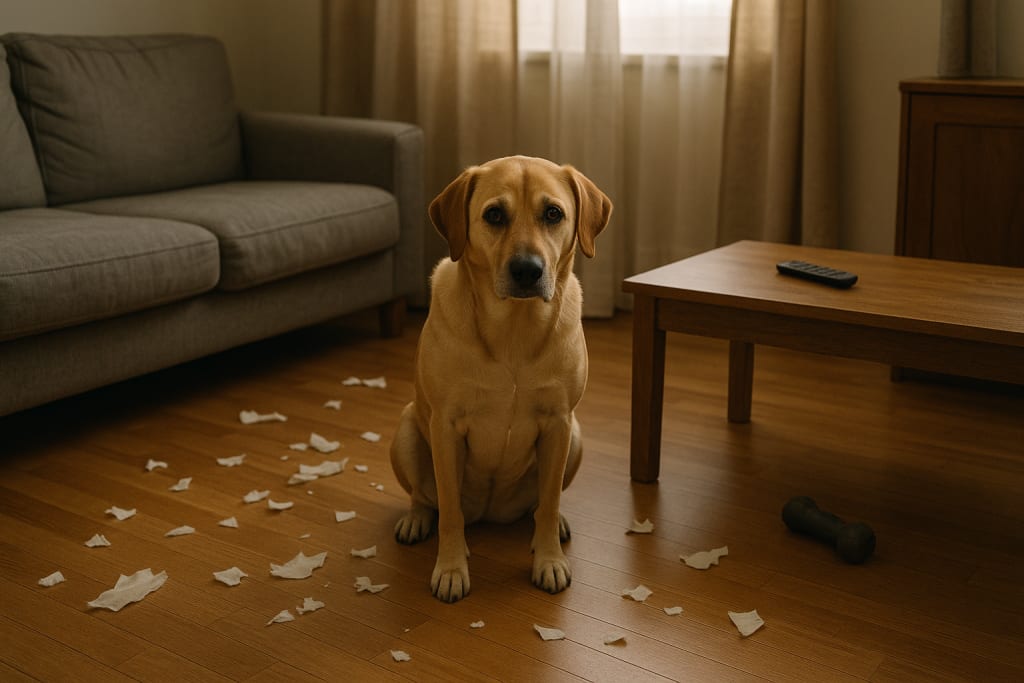
What kind of dog can be left alone for 12 hours without falling into a spiral of loneliness, chaos, or, worse, destruction?
As a professional dog trainer who's spent years around every type of pup from the regal Afghan Hound to the wrinkly, soulful Shar Pei, I’ve learned something critical: it’s not just about the breed — it’s about the dog’s temperament, routine, and your setup.
But don’t worry, I’ve got you covered. We’re going to walk through:
- Which breeds tend to handle alone time best
- What makes a dog okay being solo
- Tips for setting them up for success
- And finally, if any dog is truly okay with a 12-hour solo shift
The Reality Check: Dogs Are Social Animals
Let’s not sugarcoat it.
Dogs are not solitary creatures. They’re pack animals. That means, by default, they crave company — yours, another dog’s, a cat’s, heck, even a mildly friendly houseplant.
Leaving a dog alone for 12 hours is not ideal. But — and this is key — some dogs can tolerate it better than others.
Now, let’s look at the MVPs of independence.
Independent Dog Breeds: The Low-Key Loners
Some breeds are more naturally aloof, less clingy, and more self-entertaining. That doesn’t mean they don’t love you — they’re just not as emotionally needy.
1. Basset Hound
- The kings and queens of napping.
- They have low energy and big patience.
- Leave one with a soft couch and some peanut butter in a Kong toy, and they’ll probably be exactly where you left them.
Trainer’s Note: They're prone to weight gain, so if you're gone long hours, make sure someone’s helping keep their meals and movement in check.
2. Shiba Inu
- Cat-like in personality — smart, clean, independent.
- Shibas enjoy alone time, and they won’t cry at the door like some velcro breeds.
- Bonus: they’re often house-proud and hate making a mess.
Trainer’s Note: These dogs are smart, stubborn, and sneaky. Baby-proof your place. You’ve been warned.
3. Chow Chow
- Distant. Dignified. Not the cuddly type.
- They’re basically the grumpy old man of dog breeds, even when they’re puppies.
- They do well alone… if properly trained.
Trainer’s Note: Socialize early. You want aloof, not aggressive. There’s a fine line.
4. Labrador Retriever (with a twist)
Yes, Labs are social butterflies, but here’s the twist:
Adult Labs, once past the puppy zoomies, can chill hard.
They’ll sleep the day away if they’ve had their exercise in the morning. Think of them as the golden retriever version of a retired athlete.
5. Greyhound
Surprise! These former race dogs are the couch potatoes of the dog world.
- They’ll sleep 18 hours a day if you let them.
- Not big barkers. Not big destroyers.
- They’re the introverts who just want a quiet corner and a soft bed.
Trainer’s Note: They may look sleek and fast, but they’re total lazybones. Just don’t skimp on a morning walk.
It’s Not Just the Breed — It’s the Routine
Even the most independent breed will go stir-crazy if you:
- Leave them with no stimulation
- Don’t exercise them beforehand
- Skip training and expect them to be angels
Here’s what actually helps a dog survive a 12-hour day alone:
✅ Mental stimulation
Leave puzzle toys, chew toys, and maybe even a treat-dispensing camera (like Furbo).
✅ Exercise before you go
Think: 45-minute walk or a game of fetch. A tired dog is a calm dog.
✅ Crate training (for some dogs)
Not all dogs need a crate, but some thrive with the structure. Make it comfy, not a punishment.
✅ Dog walkers or drop-in visits
Even the chillest dog appreciates a mid-day stretch and bathroom break.
✅ Background noise
TV, music, or even an audiobook can make your dog feel like there’s someone in the house.
Puppies vs Adults: Huge Difference
Let’s keep it real: Puppies cannot be left alone for 12 hours.
Bladder-wise, emotionally, physically — it’s a no-go.
- Under 6 months? They need a potty break every 2–3 hours.
- Under 1 year? They’re still developing habits. Leave them alone too long, and you’re practically training them to be anxious or destructive.
If your life demands 12-hour absences, don’t get a puppy. Get a mature, calm adult dog from a rescue. Your carpet and sanity will thank you.
Breeds That Struggle With Being Alone
These guys love hard and hate being left behind:
- Border Collies – Smart and high-energy. Alone too long = mental meltdown.
- German Shepherds – Loyal to a fault. Can become destructive if lonely.
- Cavalier King Charles Spaniels – Sweet lap dogs who crumble when left alone.
- Huskies – Escape artists with a flair for drama (and destruction).
If you work long hours and dream of one of these breeds? Be prepared to hire help or arrange for doggy daycare.
Can You Train a Dog to Be Okay Alone for 12 Hours?
Short answer? Yes, to a point.
Long answer? Not all dogs are built for it, even with training.
But here’s what you can do:
1. Gradual desensitization
Start with short periods away. Reward calm behavior. Build up slowly.
2. Predictable routine
Dogs are comforted by patterns: same wake time, walk time, feeding time.
3. Comfort zones
A cozy bed, familiar toys, maybe your old t-shirt. Smells matter.
4. Cameras to monitor behavior
Are they sleeping? Pacing? Barking nonstop? Knowing helps.
The Best Scenario: It's Not All on the Dog
Here’s the hard truth that hits most people after they get a dog:
You don’t get the dog you want. You get the dog you’re willing to commit to.
If you're regularly gone 12 hours a day, you need a support system:
- A neighbor
- A family member
- A professional dog walker
- Doggy daycare 2–3x a week
Even the most "independent" dog needs breaks, love, and stimulation. Otherwise, they’re not just alone — they’re suffering.
So, Can a Dog Be Left Alone for 12 Hours?
Yes. But it depends on the dog — and it depends on you.
If you're committed to setting them up for success, choosing the right breed, and not pretending that dogs are furniture, it can work.
But if you're hoping to just "leave a dog at home" with zero planning? Please, don't do that. It’s not fair to them — and it’ll backfire on you, fast.
Conclusion: Choose a Dog That Fits Your Life (Not the Other Way Around)
Dogs aren’t part-time pets. They’re full-time companions with needs, quirks, and feelings. If your job, lifestyle, or reality means you're out 12 hours a day, then:
- Adopt an older, calm, independent dog.
- Hire help or arrange care.
- Adjust your schedule where possible.
And remember: you’re not a bad person for having a life. But owning a dog means sharing it.
Choose wisely. Love harder. And never underestimate the power of a good nap — for both of you.
Thanks for your reading.
About the Creator
Off the Leash: The Essential Gear Guide for Adventurous Dogs
There’s something wildly freeing about unclipping the leash and letting your dog move the way they were built to. If you’re hiking in areas that truly allow off-lead exploration, your gear list shifts. No harness. No leash dragging through dust. Instead, it’s about smart, lightweight essentials that keep your dog safe, hydrated, and easy to manage when adventure gets messy. Long walks off lead are less about control and more about preparation.
By Shabbir Ahmad7 days ago in Petlife
The Ones Left Behind:
Shelters overflow every week with wagging tails and hopeful eyes. The young ones—the puppies and kittens—disappear within hours, scooped up by families eager for a blank slate. The old ones stay behind. They wait days, then weeks, often in silent confusion, still listening for footsteps they recognize.
By Dr. Mozelle Martin6 days ago in Petlife


Comments
There are no comments for this story
Be the first to respond and start the conversation.