science
Study the science of animals to get a deeper understanding of your pet's brain, body and behavior.
The Science Behind the Human-Dog Bond
I still remember the moment I locked eyes with Daisy for the first time. She was a golden retriever pup with floppy ears, big brown eyes, and a tail that wagged so hard it shook her whole body. I had gone to the shelter “just to look,” but the second I knelt by her crate, she pressed her nose to the bars, and in that instant, something happened. Something deep and unexplainable. I felt seen, understood—even loved.
By From Dust to Stars8 months ago in Petlife
Numerous observations suggest that killer whales are attempting to form bonds with humans.
In an intriguing new study, researchers found that wild killer whales made 34 attempts to feed on humans. These uncommon cases occurred over 20 years and four oceans. Some took place from the shore, some in open water, and still others close to vessels.
By Francis Dami8 months ago in Petlife
How the shark's body develops precisely geometrically
Scientists have been studying the growth and behaviour of sharks and other creatures as they get bigger for millennia. A straightforward geometric principle—surface area develops more slowly than volume—lays the foundation for this investigation. This relationship is captured by the "two-thirds scaling law," which states that surface area scales with volume to the power of two-thirds
By Francis Dami8 months ago in Petlife
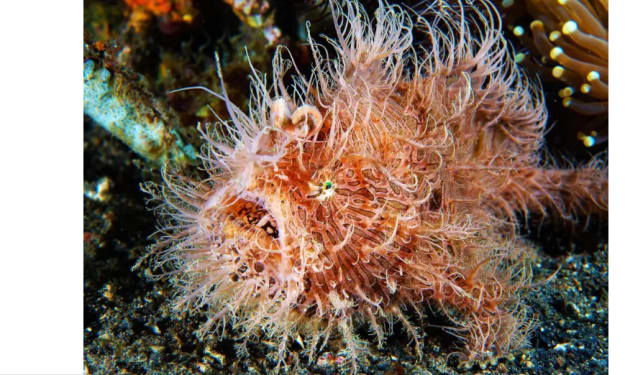
"Hairy frogfish" employ lures to find food while walking on the seafloor.
The hairy frogfish is not so much a hunter as it is a tuft of floating seaweed. However, an anglerfish that can breathe in prey more quickly than most cameras can blink is located beneath the mop of filaments.
By Francis Dami8 months ago in Petlife
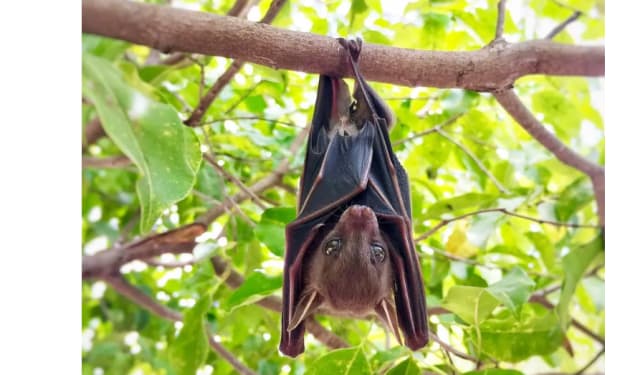
Scientists believe they now understand why bats do not develop cancer.
German shepherds shouldn't be outlived by tiny creatures weighing less than one ounce, but many bats do. In the wild, some even live for almost 35 years, which is equivalent to 180 human years and is accompanied by an incredible lack of tumours.
By Francis Dami9 months ago in Petlife
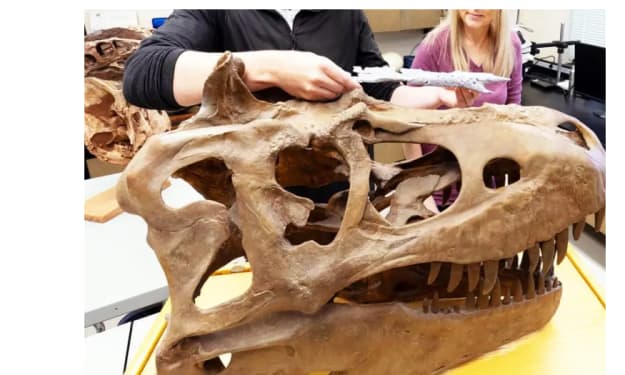
Meet the 'prince of dragons' who established the dynasty of Tyrannosaurus.
Humans have always been fascinated by dinosaurs. These animals, which ranged from swift-footed hunters to towering giants, dominated the prehistoric planet for millions of years. Every fossil discovery adds to our knowledge.
By Francis Dami9 months ago in Petlife
Cat Says Meow
When a cat says "meow," it's not just a cute sound—it’s a message, a language spoken by one of the most mysterious and beloved animals in the world. Whether you are a new cat owner or a lifelong feline friend, understanding why your cat meows can strengthen your bond and make your relationship with your furry companion even more special.
By aadam khan9 months ago in Petlife