science
Study the science of animals to get a deeper understanding of your pet's brain, body and behavior.
The Thirsty Crow: A Tale of Wit and Perseverance
The Thirsty Crow: A Tale of Wit and Perseverance Once upon a time, in a scorching hot summer, a crow found itself in dire need of water. The sun blazed down from the sky, making everything around feel like an oven. The trees, which once stood tall and green, were now withering, their leaves turning yellow. The soil had cracked open, and the rivers were drying up.
By Abdullah Khan 7 months ago in Petlife
Cat Daddy: How One Tiny Kitten Saved My Sanity
At the start of 2025, my mental health was in a rough place. A year filled with personal struggles, heavy memories, and a history of trauma had left me drained. I knew I needed a change — something positive to help me heal. That’s when I started hearing more about how pets, especially cats, can be amazing companions for mental well-being.
By ibrahim khan7 months ago in Petlife
How a Tiny Kitten Saved Me from My Darkest Days
There was a time, not too long ago, when getting out of bed felt like climbing a mountain barefoot. My mind was heavy, my heart heavier. Some days, even the thought of opening the curtains felt like too much effort. Friends tried to help, but there’s only so much comfort words can bring when you’re trapped inside your own head.
By Vocal Member 7 months ago in Petlife
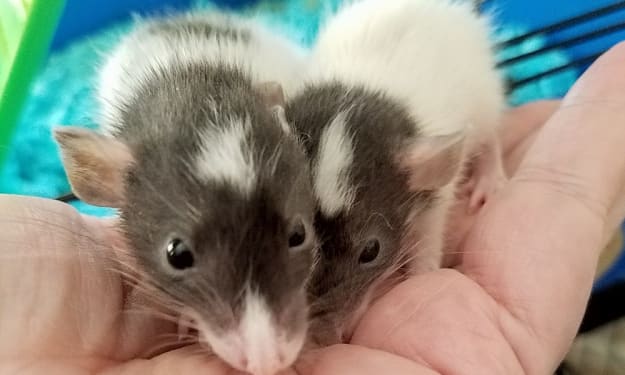
The Cage I Keep Selling:
They don’t live long. That’s the part you’re warned about if you let people know you love pet rats. They’ll tell you not to get attached. They’ll remind you they’re “just feeders.” They’ll talk about their short lifespans like it should somehow make the loss easier.
By Dr. Mozelle Martin7 months ago in Petlife
The Joyful Journey of Pet Life: A Bond Beyond Words
The Early Days: Welcoming a Pet Bringing a pet home for the first time is an unforgettable moment. Whether you adopt from a shelter or buy from a breeder, the initial connection between a human and an animal often feels magical. Puppies wag their tails in excitement, kittens purr in comfort, and birds chirp to express their happiness. This beginning stage is all about learning and adjusting. Owners must create a safe environment, provide nutritious food, and schedule regular vet checkups.
By Tariq jamil7 months ago in Petlife
The Silent Killer: Understanding High Blood Pressure
Imagine a deadly threat quietly lurking inside your body — one that doesn’t announce itself with pain or clear symptoms. You feel fine, so you assume you’re safe. Meanwhile, this silent enemy is slowly damaging your arteries, heart, kidneys, and brain. By the time you finally sense something is wrong, it may already be too late.
By Noor Hussain8 months ago in Petlife