
Skin & Wound Care for Pets (Dog & Cat)
Read this blog to know - Skin & Wound Care for Pets (Dog & Cat)

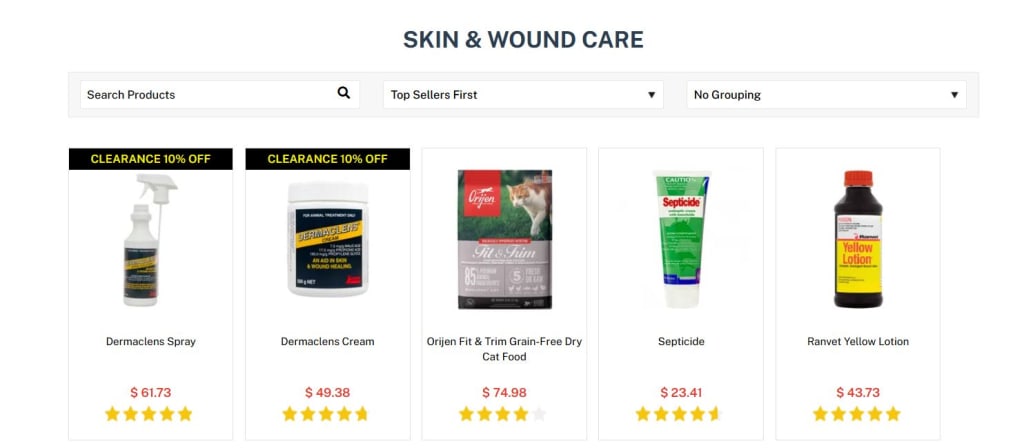
The Importance of Skin & Wound Care in Pets
Your pet's skin is more than just fur-covered beauty—it's a protective barrier against infections, injuries, and environmental irritants. Whether it's your dog's itchy hot spot or your cat’s healing wound from a scrape, proper care keeps them healthy and happy. Check out skin & wound care products for pets!
Dogs vs. Cats: Different Skin, Similar Concerns
While cats and dogs have different skin structures and grooming habits, both species face issues like allergies, cuts, and infections. The approach may vary slightly, but the goal remains the same—soothe, heal, and protect.
Common Skin Issues in Dogs and Cats
Allergies and Irritants
Just like us, pets can be allergic to food, pollen, dust, or cleaning products. Symptoms? Itching, redness, and excessive licking.
Parasites (Fleas, Ticks, Mites)
Fleas and ticks not only irritate your pet's skin but can lead to infections and diseases. Mites may cause mange—a skin condition that results in hair loss and scabbing.
Hot Spots and Dermatitis
Hot spots are red, inflamed areas caused by constant licking or scratching. Dermatitis can be triggered by anything from food allergies to harsh grooming products.
Fungal and Bacterial Infections
Ringworm and staph infections are common. These usually present as red patches, hair loss, or scabs.
Understanding Wounds in Pets
Types of Wounds (Cuts, Bites, Abrasions, Surgical)
Whether it's a playful scratch, a fight with another animal, or a post-surgery incision—wounds vary widely in depth and seriousness.
Causes and Common Scenarios
From jumping fences to rough play or sharp objects in the backyard, wounds can happen in the blink of an eye.
Why Prompt Treatment Is Crucial
Untreated wounds can quickly get infected and lead to abscesses, systemic infections, or delayed healing.
First Aid for Pet Wounds
How to Safely Clean a Wound
Use lukewarm water or saline solution to flush the area. Avoid using hydrogen peroxide or alcohol unless advised by your vet—it can delay healing.
When to apply Antiseptic
Mild antiseptic solutions like chlorhexidine or povidone-iodine are safe for most pets. Apply gently with a cotton pad.
Bandaging Basics
Not every wound needs a bandage. But if your pet won’t stop licking it, a light gauze wrap secured with vet tape can help.
Skin Care Routine for Healthy Pets
Brushing and Bathing
Regular brushing keeps the coat healthy and prevents mats. Bathing once a month (or as needed) removes dirt and allergens.
Choosing the Right Shampoo
Look for pet-safe, sulfate-free shampoos with soothing ingredients like oatmeal, aloe, or tea tree oil.
Hydration and Skin Moisturization
Dry skin? Use leave-in conditioners or dog-safe moisturizers. And don’t forget: hydration starts from within—plenty of fresh water is a must.
Nutritional Support for Skin Health
Importance of Omega-3 and Omega-6 Fatty Acids
These fatty acids help reduce inflammation and improve coat shine. Look for supplements with fish oil or flaxseed oil.
Vitamins That Promote Skin Repair
Vitamin E, zinc, and biotin support skin regeneration and overall health.
Special Diets for Sensitive Skin
Some pets thrive on hypoallergenic or limited-ingredient diets. Ask your vet for recommendations.
Wound Healing Products for Pets
Antiseptic Sprays and Ointments
These help prevent infections and soothe irritation. Choose ones made specifically for pets—human products can be toxic.
Healing Gels and Hydrocolloid Dressings
Advanced wound care solutions help keep wounds moist, which accelerates healing and reduces scabbing.
Vet-Recommended Healing Aids
Your vet might suggest products like silver sulfadiazine cream or medicated wound wraps.
Preventing Infections
Keeping the Area Clean
Clean daily with vet-approved solutions. Don’t forget to wash your hands before and after.
Using a Cone (Elizabethan Collar)
Not the most fashionable accessory, but super effective at stopping your pet from licking or biting their wounds.
Recognizing Signs of Infection
Look out for swelling, discharge, bad odor, or if your pet is in pain. These are red flags that need immediate attention.
Home Remedies and Natural Options
Coconut Oil, Aloe Vera, and Chamomile
These natural ingredients can soothe irritated skin—but always do a patch test first.
Risks of DIY Wound Care
Home remedies are great, but they’re not a cure-all. Avoid using essential oils or any substance without checking with your vet.
Professional Veterinary Care
When to See the Vet
Deep wounds, bleeding that won’t stop, or if the wound looks infected—it’s vet time.
Diagnostic Tests for Chronic Issues
Skin scrapings, allergy tests, or biopsies may be needed for recurring or mysterious issues.
Laser Therapy and Advanced Wound Management
Many clinics now offer high-tech options like laser therapy to boost blood flow and speed up healing.
Seasonal Skin Concerns
Summer: Heat Rash and Parasites
Humidity invites yeast infections, and warm weather means more fleas and ticks.
Winter: Dry Skin and Cracks
Cold air dries out the skin. Use humidifiers indoors and moisturize paws with pet-safe balms.
Skin Conditions That Require Special Attention
Autoimmune Skin Disorders
Conditions like lupus or pemphigus require lifelong management and regular vet checkups.
Skin Tumors and Growths
Not every lump is dangerous, but always get them checked. Early detection is key.
Grooming Tips for Skin Health
Regular Grooming Schedule
Brush at least a few times a week. Bathing should be as per your pet’s coat type and activity level.
Ear and Paw Care
Clean ears regularly and check paws for debris, ticks, or cuts.
Managing Shedding
Use de-shedding tools during shedding season and provide balanced nutrition.
Final Thoughts
Your pet’s skin and wounds might not always be top of mind—but they should be. Healthy skin reflects overall health, and timely wound care can prevent painful infections and costly vet visits. So keep an eye out for changes, maintain a consistent grooming routine, and don’t hesitate to call the vet when in doubt. Your dog or cat will thank you—with tail wags or head butts.
FAQs
1. Can I use human wound ointment on my pet?
No. Many human products contain ingredients toxic to pets. Always use vet-approved options.
2. How often should I bathe my dog or cat for healthy skin?
Usually once a month, unless they have a skin condition. Overbathing can dry out the skin.
3. What should I do if my pet keeps licking their wound?
Use an Elizabethan collar (cone) or a wound-covering bandage. Licking slows healing and can cause infection.
4. Are there specific foods that help improve my pet’s skin?
Yes! Omega-rich foods like sardines, eggs, and sweet potatoes can support healthy skin.
5. Should I take my pet to the vet for every wound?
Small wounds can be treated at home. But anything deep, infected, or persistent should be examined by a vet.
About the Creator
Thomas Muller
VetSupply is a leading online pet store in Australia with a comprehensive range of products that cater to all your pet care needs.
Keep reading
More stories from Thomas Muller and writers in Petlife and other communities.
Dietary Supplements for Dogs
Let’s be honest—our dogs are more than pets; they’re family. And just like we take care of our health with vitamins and supplements, many pet parents are turning to dietary supplements to boost their dog’s well-being. But are they really necessary? Let’s dive into the world of dog supplements to find out what’s best for your four-legged companion.
By Thomas Muller8 months ago in Petlife
Cat Sanctuary vs. Cat Shelter
Many people assume a cat sanctuary and a cat shelter are the same—but they serve very different purposes. Understanding the difference between a cat sanctuary and a cat shelter can help you decide where to adopt, volunteer, or donate.
By Special Little Whiskers Kitten Sanctuaryabout 24 hours ago in Petlife
Review of 'Man on the Run'
My wife and I saw Man on the Run, a nearly 2-hour documentary on Amazon Prime, about Wings, Paul McCartney's group that flew around the world from shortly after The Beatles broke up in early 1970 to shortly after John Lennon was murdered at the end of 1980, making a Beatles reunion forever impossible.
By Paul Levinson6 days ago in Beat



Comments
There are no comments for this story
Be the first to respond and start the conversation.