
Dietary Supplements for Dogs
Read this blog to know about - Dietary Supplements for Dogs

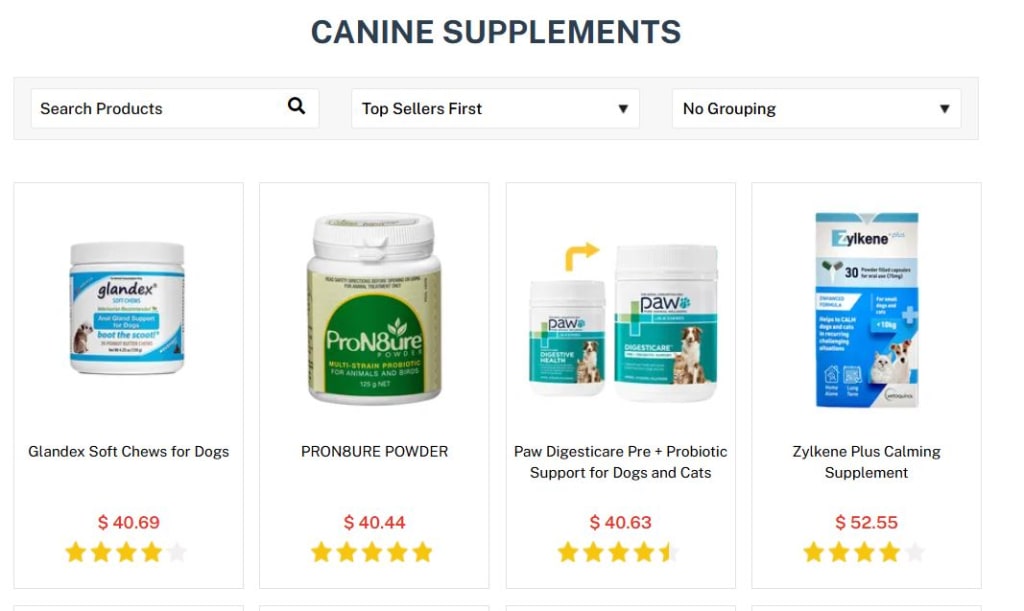
Let’s be honest—our dogs are more than pets; they’re family. And just like we take care of our health with vitamins and supplements, many pet parents are turning to dietary supplements to boost their dog’s well-being. But are they really necessary? Let’s dive into the world of dog supplements to find out what’s best for your four-legged companion.
What Are Dietary Supplements for Dogs?
Dog supplements are products designed to complement a dog’s regular diet. They’re not meant to replace food but to fill in nutritional gaps or provide targeted health benefits—like joint support, digestive health, or immunity boosts. Think of them like multivitamins or protein powders for humans.
Does Your Dog Need Supplements?
Not every dog needs supplements—but many do.
Common signs your dog might benefit:
Dull coat or itchy skin
Lethargy or fatigue
Joint stiffness
Digestive issues
Frequent illnesses
Nutrient deficiencies can stem from poor-quality food, age, breed-specific needs, or underlying health conditions. That’s where supplements step in.
Types of Dietary Supplements for Dogs
Multivitamins
A multivitamin is a solid all-around choice if you want to cover the basics—especially for dogs on home-cooked or raw diets.
Omega-3 Fatty Acids
Sourced from fish oil, Omega-3s are great for:
Shinier coats
Healthier skin
Reduced inflammation
Joint support
Probiotics
Just like us, dogs have a gut microbiome. Probiotics help:
Balance gut bacteria
Improve digestion
Reduce diarrhea and bloating
Glucosamine and Chondroitin
Ideal for older dogs or large breeds prone to joint issues. These two work together to:
Lubricate joints
Reduce pain and stiffness
Promote cartilage repair
Antioxidants
These are superstars when it comes to fighting oxidative stress (cell damage). Antioxidants like vitamin C and E support:
Brain health
Immune function
Aging gracefully
Herbal Supplements
You’ll find herbs like valerian root, milk thistle, turmeric, and ashwagandha in natural dog supplements:
Calming anxiety
Detoxifying liver
Fighting inflammation
Benefits of Dog Supplements
Improved Skin and Coat
Supplements like omega-3s and zinc promote shiny fur and reduce skin irritation.
Enhanced Joint Mobility
Older dogs benefit greatly from joint-support formulas to keep them active and pain-free.
Stronger Immunity
Antioxidants and certain vitamins give your dog’s immune system a much-needed shield.
Better Digestion
Prebiotics, probiotics, and enzymes can make meals more digestible and reduce tummy troubles.
Age-Specific Supplement Needs
Puppies
Puppies need support for growth, brain development, and immunity. DHA (an omega-3) and calcium are must-haves.
Adult Dogs
Focus on maintenance—support immunity, energy levels, and digestion.
Senior Dogs
Older dogs need help with:
Joint health
Cognitive support
Organ function (like liver and kidney)
Breed-Specific Supplement Considerations
Large breeds like Labradors often need extra joint support, while small breeds may require dental supplements or calcium.
Working dogs (like Huskies or Shepherds) might benefit from energy-boosting vitamins, while lap dogs may need calming supplements for stress.
Conditions That May Require Supplements
Arthritis
Glucosamine, MSM, and turmeric can ease inflammation and improve mobility.
Allergies
Omega-3s, quercetin, and probiotics help reduce itchiness and allergic reactions.
Anxiety and Stress
L-theanine, chamomile, and valerian root are known to calm nerves.
Liver and Kidney Support
Milk thistle and SAMe support detoxification and organ function.
Natural vs. Synthetic Supplements
Natural Supplements
Sourced from herbs, food, or whole ingredients
Usually gentler on the system
Synthetic Supplements
Lab-made
Often more concentrated and consistent in dosage
Both have their pros—just avoid fillers and unnecessary additives.
How to Choose the Right Supplement
Read the Label Carefully
Look for:
Clear ingredients
Dosing instructions
AAFCO or NASC certification
Look for Clinical Studies
Products backed by research are generally more trustworthy.
Consider Veterinary Recommendations
Always consult your vet before starting any supplement—especially if your dog’s on meds.
Conclusion
Dietary supplements for dogs aren’t just a wellness trend—they’re a way to support your pup’s unique needs at every life stage. Whether you’re boosting immunity, improving joint health, or just filling in nutritional gaps, the right supplement can make a real difference.
But remember: always start with quality food, consult your vet, and watch for changes in behavior or energy. A healthy dog is a happy dog—and that’s what we all want.
FAQs
1. Can I give my dog human supplements?
Not recommended. Human supplements may contain ingredients or dosages unsafe for dogs.
2. How long does it take for supplements to work in dogs?
It varies. Some show results in a few days (like calming supplements), while others (like joint aids) may take a few weeks.
3. Are natural dog supplements better than synthetic ones?
Not always. Natural ones are gentler, but synthetic ones can be more consistent. Choose based on your dog’s needs and vet advice.
4. Can I mix multiple supplements together?
Only after checking with your vet—some ingredients may interact or overlap.
5. What’s the best way to start supplements for my dog?
Start slow. Introduce one supplement at a time and monitor how your dog reacts over a few days.
About the Creator
Thomas Muller
VetSupply is a leading online pet store in Australia with a comprehensive range of products that cater to all your pet care needs.
Keep reading
More stories from Thomas Muller and writers in Petlife and other communities.
Pet Urinary Health, Cat Kidney Support: A Comprehensive Guide
As devoted pet parents, few things are more concerning than seeing our beloved companions struggle with their health. Among the myriad of potential issues, urinary and kidney problems often top the list, especially for our feline friends. These conditions can range from acute discomfort to chronic, life-threatening illnesses. Understanding the intricacies of pet urinary health, particularly cat kidney support, is crucial for early detection, effective management, and ensuring a long, comfortable life for our furry family members.
By Thomas Muller8 months ago in Petlife
30 Days in a Shelter
By day 3, the barking changes. The first 48 hours are chaos. Intake processing. New smells. Metallic doors slamming. By day 3, some dogs bark constantly. Others stop almost entirely. One paces the kennel line until the pads on his feet redden. Another stands motionless, eyes half-lidded, ignoring visitors.
By Dr. Mozelle Martin4 days ago in Petlife



Comments
There are no comments for this story
Be the first to respond and start the conversation.