
"Monstrous Intrigues: Exploring the World of Dangerous Monster Fish"
Monster fishes for aquarium tanks

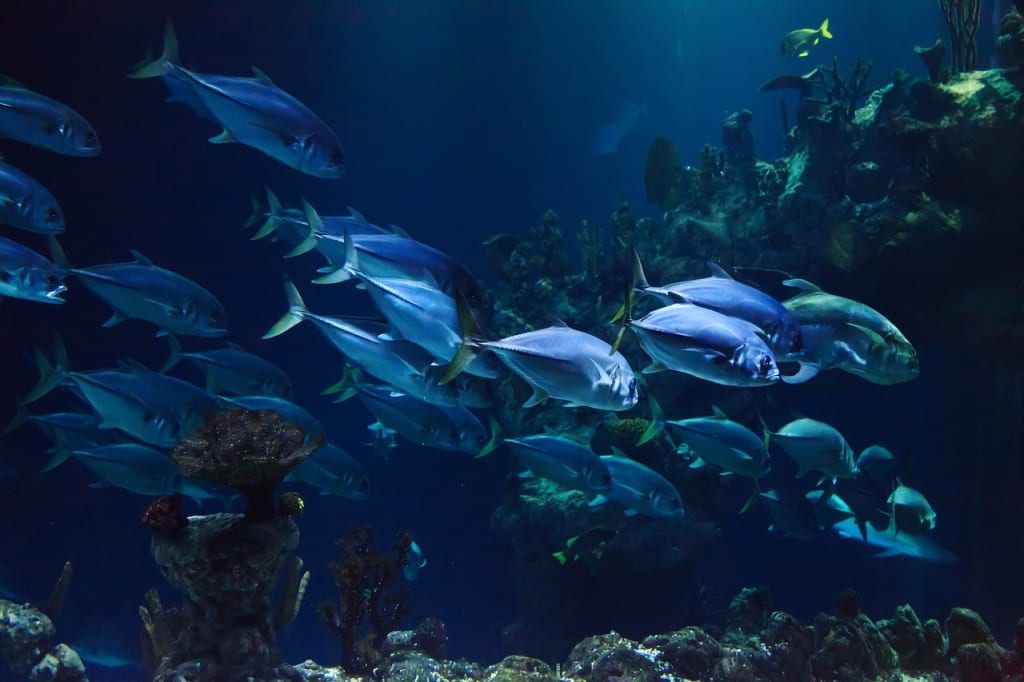
It seems like you're interested in information about "monster fish" in aquariums. Monster fish typically refers to large and often aggressive freshwater fish species that are kept in aquariums. These fish are popular among experienced aquarium enthusiasts who have the space, resources, and knowledge to properly care for them.
Here are some common examples of monster fish:
Arowana: Known for their majestic appearance and unique behavior, arowanas can grow quite large and require spacious tanks. They come in various species, including Silver Arowana and Asian Arowana.
Redtail Catfish: These catfish can reach impressive sizes and are known for their distinctive red tails. They require very large tanks due to their growth potential.
Piranha: Piranhas are infamous for their sharp teeth and feeding habits. While they can be aggressive, some species are kept by experienced aquarists.
Oscar Fish: Oscars are cichlids with vibrant colors and distinctive personalities. They can grow quite large and need a spacious aquarium.
Peacock Bass: These predatory fish are popular among anglers and aquarists alike. They have striking colors and require large tanks.
Giant Gourami: These fish can grow quite large and have unique behaviors. They need ample space and proper care.
Pufferfish: Some pufferfish species can be considered monster fish due to their size and care requirements. They often need brackish or marine conditions.
Archerfish: Archerfish are known for their ability to shoot down insects with water jets. They require large tanks with access to the surface for their hunting behavior.
Tigerfish: These aggressive predators are known for their sharp teeth and voracious appetite. They need appropriately sized tanks and carefully selected tankmates.
Alligator Gar: Alligator gars are prehistoric-looking fish with long snouts. They can grow quite large and need specialized care.
Keep in mind that these fish have specific care requirements, including tank size, water quality, diet, and compatibility with other fish. Many of these species are not suitable for beginner aquarists due to their demanding nature. Proper research and preparation are essential before considering these types of fish for your aquarium. Always aim to provide the best possible living conditions for the fish you choose to keep.
Monster fish, due to their predatory and carnivorous nature, have specific dietary needs. Their feeding habits can vary depending on the species, but generally, they require a diet rich in protein.
Here's an overview of what monster fish typically eat:
Live and Frozen Foods: Many monster fish prefer live foods, such as feeder fish (minnows, goldfish), feeder shrimp, and other small live organisms. Frozen foods like bloodworms, brine shrimp, and krill are also commonly offered. These options mimic their natural diet and stimulate their hunting instincts.
Pellets and Prepared Foods: High-quality pellets and prepared foods designed for carnivorous fish can be a good staple diet for monster fish. Look for formulations that are high in protein and specific to predatory fish.
Meaty Treats: Offering occasional treats like earthworms, crickets, and mealworms can provide enrichment and variety in their diet.
Fish Fillets: Some larger monster fish can be given fish fillets (filleted fish meat), but this should be done in moderation and as part of a varied diet.
Avoid Overfeeding: Monster fish can have voracious appetites, but overfeeding can lead to health problems and water quality issues. Feed them an amount they can consume within a few minutes and adjust based on their behavior and growth.
Supplements: Depending on the fish's specific needs, you might need to provide vitamin and mineral supplements to ensure their nutritional requirements are met.
Remember that the dietary preferences of monster fish can vary, and it's essential to research the specific needs of the species you're interested in keeping. Providing a balanced and varied diet will help keep your monster fish healthy and vibrant. Additionally, monitor their growth and behavior to ensure they are getting the right amount of food.
Several monster fish species are known for their aggressive behavior and potentially dangerous nature. Keep in mind that "dangerous" can refer to their aggression, size, and potential harm they can cause to humans or other fish.
Here are a few examples of some of the most dangerous monster fish:
Piranha (Serrasalmus spp.): Piranhas are infamous for their sharp teeth and feeding frenzies. While attacks on humans are rare, they have been known to cause injuries. In captivity, proper handling and care are essential.
Arapaima (Arapaima gigas): Arapaimas are one of the largest freshwater fish and can grow over 10 feet in length. They have powerful jaws and teeth and are capable of causing harm.
Goliath Tigerfish (Hydrocynus goliath): These African predators are known for their massive teeth and aggressive behavior. They inhabit the Congo River and its tributaries and are considered one of the most fearsome freshwater fish.
Pufferfish (Tetraodontidae family): While not known for attacking humans, some pufferfish species carry potent toxins. In the wild, pufferfish are notorious for their toxicity, and improper preparation can make them dangerous to consume.
Alligator Gar (Atractosteus spatula): With their long snouts and sharp teeth, alligator gars can be intimidating. They're powerful predators that can pose a threat to smaller fish and even larger animals if mishandled.
Payara (Hydrolycus scomberoides): Also known as the "Vampire Tetra," payaras have impressive fangs that can cause serious injuries. They're found in South American rivers and are known for their predatory nature.
Wels Catfish (Silurus glanis): These giant catfish can grow to massive sizes and have been known to swallow animals whole, including birds and rodents.
Red-Bellied Pacu (Piaractus brachypomus): Related to piranhas, pacus have strong teeth that are adapted for crushing nuts and seeds. However, they can also bite humans if provoked or mistaken for food.
About the Creator
A Dart at Dusk
Seconds ago, the sullen sun set on the two of us… my exuberant furry companion and me. A fresh breeze embraces us, delivering welcome relief from the day’s oppressive heat. His typical stumbling and staggering along — apace with a sloth — has turned into trip-trapping, high-stepping, almost skipping along.
By Angie the Archivist 📚🪶5 days ago in Petlife
Dog vs Cat
For centuries, dogs and cats have shared human homes, hearts, and history. Yet the debate over which animal makes the better pet—dog or cat—remains as lively as ever. This discussion is not about declaring a universal winner, but about understanding two very different species that offer companionship in unique ways. Dogs and cats differ in behavior, emotional expression, care requirements, and their relationship with humans. Choosing between them often reflects a person’s lifestyle, personality, and emotional needs rather than superiority of one animal over the other.
By shaoor afridia day ago in Petlife
Silver Screen Magic with Mae West
American actress and singer Mae West became a popular film actress during the Great Depression. She started entertaining in vaudeville, then performed on Broadway, and finally went to Hollywood. She signed up with Paramount Pictures and made her debut in the 1932 film “Night After Night.” She also starred in musicals, comedies, and crime dramas. The American Film Institute named her one of the best classic Hollywood actresses.
By Rasma Raisters6 days ago in Geeks




Comments (1)
Hello, AI is permitted on Vocal. It is a Vocal policy that content created with AI is identified as such at the start of the story/article. Your article/story has many hallmarks of AI-assisted/generated content. You can find the details of the Vocal policy here: https://shopping-feedback.today/resources/an-update-from-vocal-on-ai-generated-content%3C/span%3E%3C/span%3E%3C/span%3E%3C/a%3E, Please amend your piece to be in compliance. If you are not a Vocal+ member you will need to contact Vocal here ([email protected]) and ask them to edit your story/article/poem for you. If you don’t correct this the content may be removed by Vocal and/or you may be deleted from the platform.