
"Exploring the Controversial Question: Are Ghosts Real or a Product of Imagination?"
Are Ghosts Real or Imagination?

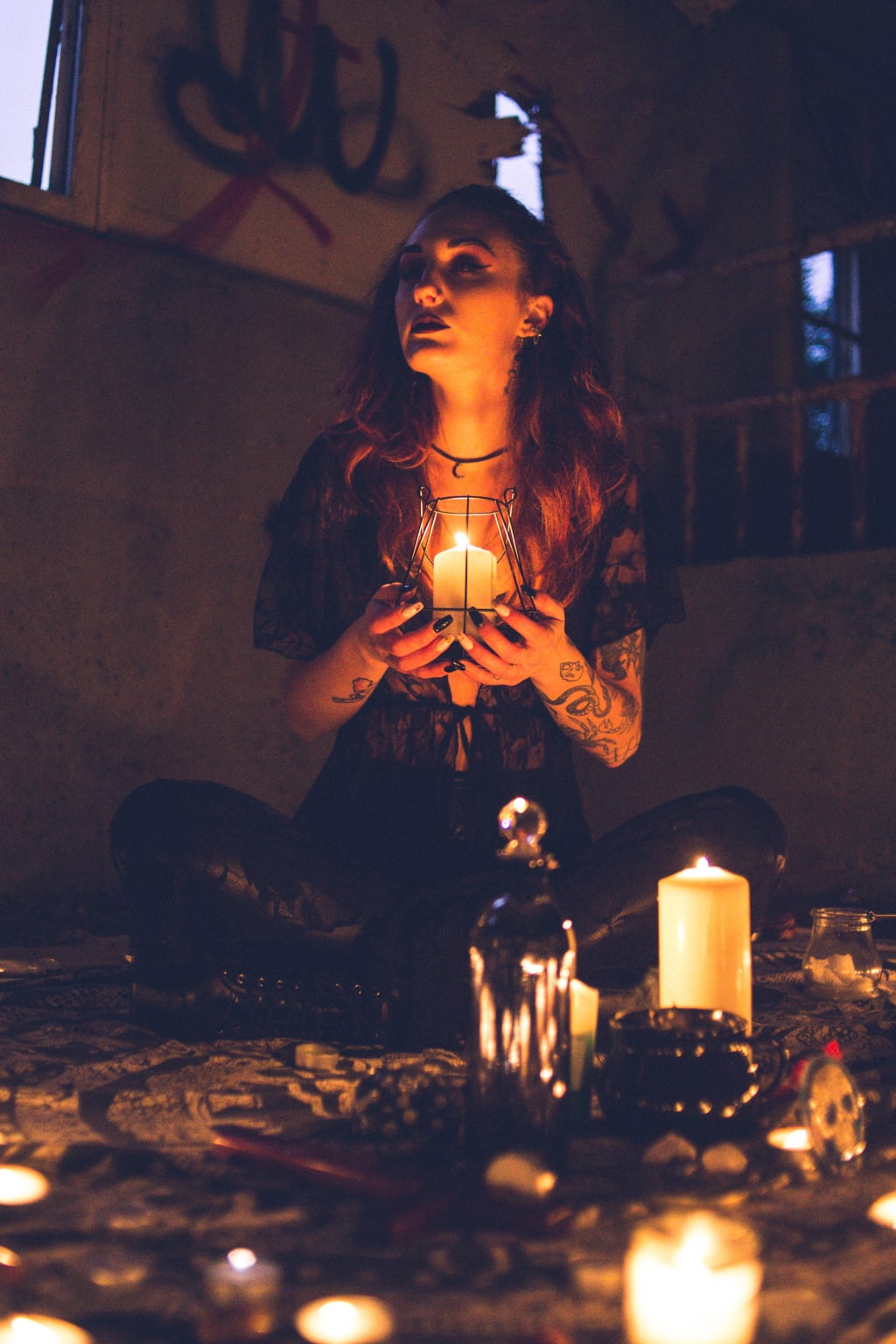
The question of whether ghosts are real or not is one that has fascinated and divided individuals, cultures, and societies for centuries. The idea of lingering spirits, souls of the departed who have not found peace or closure, has permeated human history across various civilizations, religions, and belief systems. While some fervently attest to their existence based on personal experiences and cultural traditions, others view them as products of imagination, psychological factors, or mere myths.
Proponents of the existence of ghosts often point to a myriad of anecdotal accounts and personal experiences as evidence. Tales of ghostly apparitions, mysterious noises, and inexplicable phenomena have been shared across generations, spanning cultures and continents. Many individuals claim to have encountered these spectral entities, describing eerie sightings, unexplained cold spots, and even interactions with intelligible, ethereal beings. Such stories are often deeply personal and profoundly impactful, shaping the beliefs and convictions of those who have lived through them.
Cultural traditions and religious beliefs play a significant role in shaping attitudes toward ghosts. In many cultures, ancestral veneration and communication with spirits are central components of their belief systems. Ancestors are believed to watch over and guide the living, and rituals are performed to honor and appease these spirits. These practices reinforce the idea that some form of existence continues beyond death, fostering a sense of connection between the living and the departed.
Religions such as Christianity, Islam, and Judaism have also contributed to the discourse on ghosts. In Christianity, the concept of souls lingering between life and the afterlife is explored through the idea of purgatory. Similarly, Islamic teachings describe encounters with spirits known as "jinn," which can have both benevolent and malevolent intentions. These religious frameworks provide a lens through which believers interpret their experiences with the supernatural.
However, skeptics and scientists often offer alternative explanations for ghostly encounters. Many phenomena attributed to ghosts can be understood through the lens of psychology and environmental factors. Pareidolia, for instance, is the tendency of the human brain to perceive familiar patterns, such as faces, in random stimuli. This psychological quirk could explain why people sometimes interpret ordinary shadows or reflections as ghostly figures.
Infrasound, which refers to low-frequency sound waves that are below the range of human hearing, has been linked to feelings of unease and fear. In certain environments, infrasound can induce sensations that might be misinterpreted as ghostly presences. Moreover, the power of suggestion, a cognitive phenomenon in which people subconsciously adopt the beliefs or experiences of others, can contribute to the perception of ghosts in particular settings.
Scientific studies attempting to investigate paranormal phenomena often face methodological challenges and skepticism from the broader scientific community. The lack of reproducible evidence and the subjective nature of personal experiences make it difficult to establish a solid scientific foundation for the existence of ghosts.
Technological advancements, such as electromagnetic field (EMF) detectors and thermal cameras, have been used in attempts to capture evidence of supernatural activity. However, these tools have yielded inconclusive results and remain controversial within the scientific community. Skeptics argue that such devices might register natural fluctuations and anomalies rather than interactions with supernatural entities.
In conclusion, the question of whether ghosts are real or not remains a deeply complex and polarizing issue. While believers draw on personal experiences, cultural traditions, and religious teachings as evidence, skeptics emphasize psychological, environmental, and scientific explanations. The debate transcends the boundaries of belief systems and invites contemplation on the nature of life, death, and the mysteries that lie beyond our current understanding. As science and spirituality continue to intersect, the enigma of ghosts is likely to persist, captivating the human imagination for generations to come.



Comments
There are no comments for this story
Be the first to respond and start the conversation.