
How to train a dog to potty outside with bell
Potty training doesn’t have to be a guessing game. Imagine your dog ringing a bell when they need to go outside—it’s like they’ve got their own way of telling you it’s time for a bathroom break. In this guide, we’ll walk you through the simple steps to teach your dog to ring a potty bell, covering everything from choosing the right bell to troubleshooting common training challenges. With a bit of patience, consistency, and some tasty treats, you’ll have your dog ringing the bell in no time, keeping your home mess-free and your communication crystal clear!

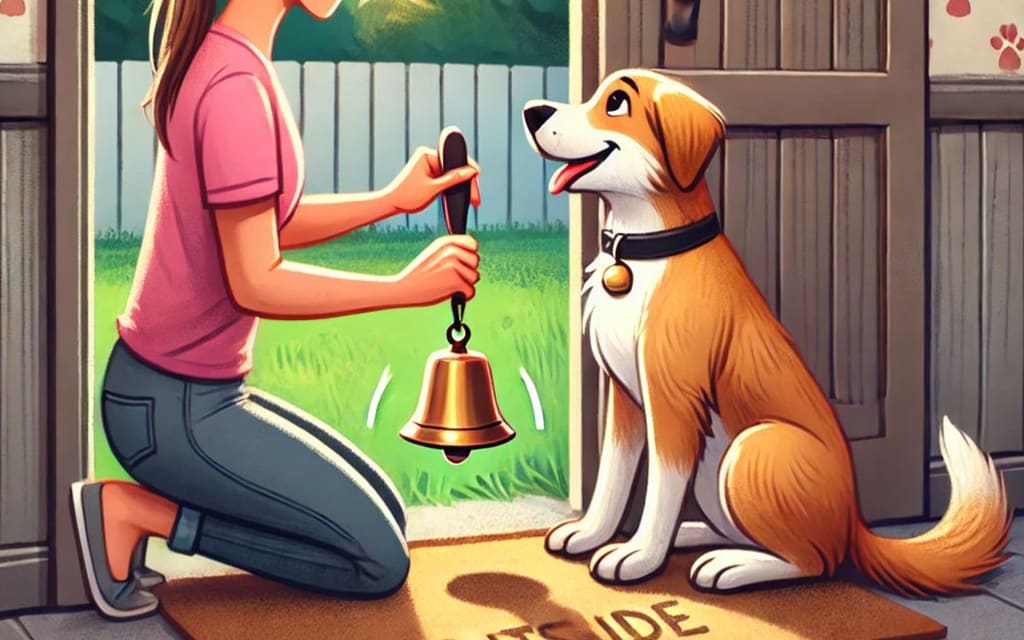
How to Train Your Dog to Ring a Potty Bell: A Step-by-Step Guide
Potty training your dog is one of those essential, yet often frustrating tasks, but what if I told you there’s a way to make it a little more fun and a lot less messy? Enter: potty bell training.
Imagine this: your dog rings a bell by the door whenever they need to go outside. No more barking, whining, or awkward guessing games. You and your dog can communicate in a way that feels natural and clear. Sounds great, right? But how does it work?
To get the lowdown on how to train your dog to ring a potty bell. Here’s a detailed, step-by-step guide on how to make bell training work for your pup.
Step 1: Choose the Right Potty Bell
Before you start training, you’ll need a bell your dog can use to signal when they need to go outside. There are plenty of options out there, and you’ll want to choose one that fits your dog’s personality (and their hearing).
- Service Dog Doorbell: These are the bells you typically see on hotel desks—simple and loud. They’re great for dogs who need a little extra volume, but if your dog is spooked by loud sounds, this might not be the best choice.
- Hanging Dog Doorbell: The bell I used for my dachshund Django is the hanging kind, with large jingle bells. It’s easy for dogs to hit with their paw or nose. The downside? If you put it too close to the door, your dog might get confused every time you open it for other reasons (like bringing in groceries).
- Wireless Dog Doorbell: If you’re looking for something more high-tech, consider a wireless option like the Mighty Paw Smart Bell. You just stick the bell on the wall, and when your dog presses it, it sends a signal to a receiver. Great for multi-level homes!
Pick the one that suits your dog’s environment, and make sure they can reach it comfortably. If you want to DIY, a string with a jingle bell works fine too—just make sure it’s tied securely.
Step 2: Teach Your Dog to Touch the Bell
Once you’ve got your bell, it’s time to teach your dog how to interact with it. This step is about getting your dog used to the bell so they understand that touching it gets them something valuable: a treat!
- Start by introducing the bell: Hold the bell close to your dog and say, “Touch!” As soon as your dog touches it with their nose (or paw), reward them with a treat.
- Repeat, repeat, repeat: Keep practicing this for about 15-25 repetitions in a session. You want your dog to understand that touching the bell equals treats.
Remember, consistency is key, and short, positive sessions work better than long, frustrating ones. Puppies especially have short attention spans, so don’t overwhelm them.
Step 3: Hang the Bell by the Door
Now that your dog is familiar with the bell, the next step is to connect it to going outside. The goal here is to make your dog realize that ringing the bell means it’s potty time.
- Hang the bell: Place the bell by the door you use most often to let your dog out. Make sure it’s easy for them to reach, whether that’s at nose height or paw height, depending on your dog’s size.
- Guide your dog to the bell: Use the same “Touch” cue as before, and reward your dog every time they interact with the bell. Eventually, they’ll start associating the bell with the action of going outside.
- Pre-shaping the behavior: At first, reward your dog every time they touch the top part of the bell. Gradually reduce the rewards if they touch the bottom part—this helps your dog learn that hitting the top part gets the most rewards.
You want to keep the training sessions brief but effective. Make sure you reward them every time they ring the bell so they understand the connection.
Step 4: Teach Your Dog When to Ring the Bell
Now, the trick is to teach your dog that the bell isn’t for random play or attention—it’s for potty time.
- Timing is everything: Only encourage bell ringing when you’re about to take your dog out to go potty. If your dog rings the bell for other reasons, like wanting to play outside, it’s time to correct the behavior.
- Reinforce the connection: When your dog rings the bell, immediately take them outside, even if they don’t make any noise at first. Treat them after they go potty, so they begin to associate the bell with a successful bathroom break.
If your dog rings the bell and doesn’t go potty, don’t reward them. Instead, take them inside and try again in a few minutes. Consistency is what helps reinforce the behavior over time.
Benefits of Potty Bell Training
- Clear Communication: Your dog can let you know when they need to go out. No more guessing!
- Fewer Accidents: Once your dog knows how to use the bell, they’re less likely to have accidents in the house. Potty bell training helps make the potty routine much smoother.
- Less Barking and Whining: Some dogs bark or whine to get your attention when they need to go outside. A potty bell provides a clearer, more polite way of communicating their needs.
Potential Drawbacks
While potty bell training can be an awesome tool, there are a few things to watch out for:
- Overuse of the Bell: Some dogs will ring the bell just to go outside and explore, not necessarily to relieve themselves. This can usually be fixed by redirecting them to the potty spot every time they ring the bell.
- Inconsistent Training: If you don’t stick to a consistent training schedule, your dog might get confused about when the bell should be used. Make sure everyone in the household is on the same page.
Pro Tips for Success
- Keep training sessions short: Aim for several short sessions a day rather than one long session. This keeps your dog’s attention and helps avoid burnout.
- Use high-value treats: You want your dog to be motivated, so pick treats they love (but keep them small to avoid overfeeding).
- Be patient: Bell training takes time. Your dog will get the hang of it, but only if you stay consistent and patient.
Conclusion: The Power of Consistency
Training your dog to ring a potty bell is a simple yet effective way to improve communication with your dog. It’s a win-win: less mess for you and more clarity for your pup. But remember, potty bell training isn’t a magic fix—it’s a tool to complement the rest of your potty training efforts. Consistency, patience, and positive reinforcement will make all the difference in the long run.
So, the next time your dog rings the bell, you’ll know exactly what they need. Who knew potty training could be this easy (and this cute)?
Happy training!
Thanks for your reading.
About the Creator
Off the Leash: The Essential Gear Guide for Adventurous Dogs
There’s something wildly freeing about unclipping the leash and letting your dog move the way they were built to. If you’re hiking in areas that truly allow off-lead exploration, your gear list shifts. No harness. No leash dragging through dust. Instead, it’s about smart, lightweight essentials that keep your dog safe, hydrated, and easy to manage when adventure gets messy. Long walks off lead are less about control and more about preparation.
By Shabbir Ahmad6 days ago in Petlife



Comments
There are no comments for this story
Be the first to respond and start the conversation.