
How to train a dog to sit to the whistle
Mastering “sit to the whistle” isn’t just about stopping your dog—it’s about building trust, precision, and responsiveness. This fundamental command enhances control, sharpens focus, and ensures your dog listens even in high-distraction environments. Whether you’re training a gundog or simply improving everyday obedience, teaching this skill the right way transforms your dog into a disciplined, reliable partner. With clear steps, patience, and proper sequencing, you’ll create a dog that responds instantly to your whistle, making training, fieldwork, and daily life easier and safer. Discover how this essential cue can elevate your dog’s obedience to the next level.

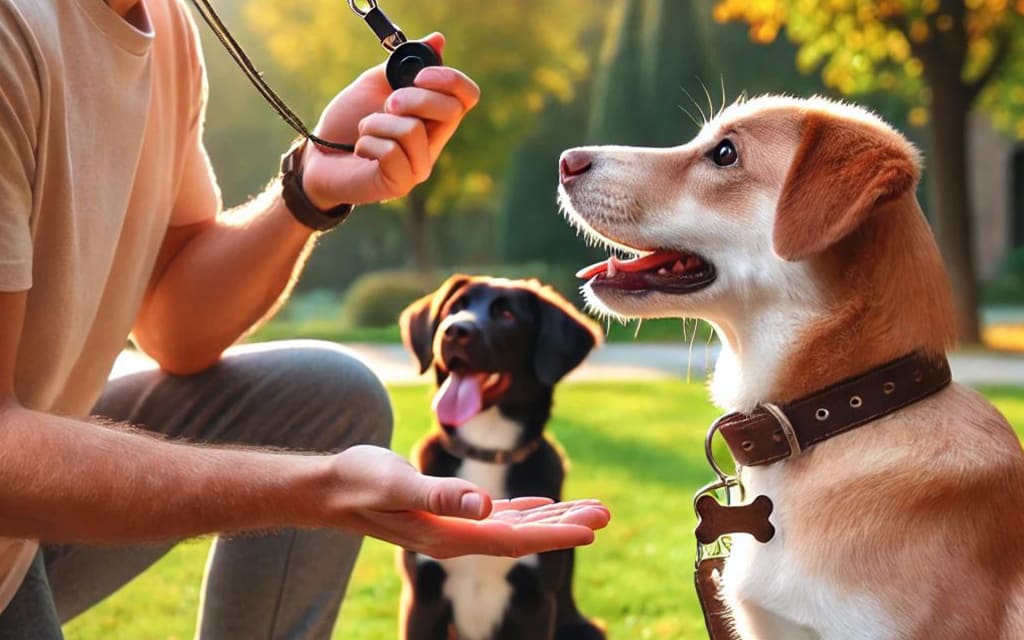
Why Sit to the Whistle Matters
If you train dogs—whether for hunting, obedience, or just good manners—you've probably heard a million times that "sit to the whistle" is crucial. And for good reason. It’s not just a fancy trick; it's a fundamental skill that improves your control and communication with your dog. Plus, let’s be real—there are moments when being able to stop your dog instantly could literally save its life.
For gundog trainers, this command is a game-changer. A well-trained dog that sits immediately on a whistle cue is more responsive, easier to handle, and—most importantly—safer in the field. But here’s the catch: teaching sit to the whistle isn’t just about blowing a whistle and hoping for the best. It’s about sequencing, building blocks, and patience. If your training feels frustrating, chances are you’re skipping some of the foundational steps.
The Right Sequence: Don't Skip the Basics
A common mistake in dog training is trying to run before you can walk. Before you even think about teaching your dog advanced retrieves, directional handling, or fancy drills, you need solid fundamentals. The key skills that should be in place before teaching sit to the whistle include:
- Perfect recall – If your dog won’t come back to you, good luck stopping it at a distance.
- A reliable sit – The dog must already understand the basic "sit" command on verbal cue.
- Steadiness – A dog that bolts unpredictably isn't ready for controlled stopping drills.
- Off-lead heel – The ability to stay close and listen to commands without a leash is crucial.
- Delivery to hand – If your dog doesn’t return with a retrieve, handling drills are pointless.
Once these basics are rock solid, you're ready to move on.
Introducing Sit to the Whistle
The process starts up close. Before expecting your dog to stop at a distance, you need to teach it to respond reliably at your side.
Step 1: The Heel Position
Start by walking your dog on a lead at heel. Each time you stop, use a verbal "sit" cue and follow immediately with a single short whistle blast. Reward generously—treats, praise, whatever works. The goal is for the dog to associate the whistle with stopping and sitting.
Step 2: Distance Work (Coming Towards You)
Once your dog sits reliably next to you, it’s time to add distance. Call your dog towards you and, just before it reaches you, blow the stop whistle. At first, you may need to reinforce this with a raised hand signal or even stepping into your dog’s path. The second it sits, reward it—throw a dummy, give a treat, or offer enthusiastic praise.
Step 3: Stopping While Moving Away
Now comes the harder part—stopping your dog while it’s moving away from you. Start small. Send the dog just a few feet, then blow the whistle and make sure it stops immediately. If it sits, reward immediately by sending it for a retrieve. If not, take a step back and reinforce the concept with a shorter distance.
Adding Complexity: Distance, Distractions, and Directional Cues
Once your dog consistently stops at short distances, you can gradually increase difficulty. This means:
- Increasing distance – Gradually ask for the stop at greater distances, always rewarding success.
- Adding distractions – Introduce tempting distractions (toys, food, moving objects) to test reliability.
- Incorporating directional cues – Once stopping is reliable, add left, right, and back signals.
A great drill for combining sit to the whistle with directional training is:
- Send the dog on a short retrieve.
- Blow the whistle midway and ensure a solid stop.
- Instead of calling the dog back, send it "back" for the retrieve as a reward.
This reinforces that stopping doesn’t mean the fun is over—it’s just part of the game.
Common Pitfalls (And How to Fix Them)
Even with the best training plan, things go wrong. Here are the most common issues and how to correct them:
- Dog ignores the whistle at a distance – You likely moved too fast. Go back to close-range training and reinforce the association between whistle and stopping.
- Dog anticipates the stop command – Mix up your drills. Sometimes call the dog all the way in; other times, reward it for staying in place.
- Dog stops but doesn’t sit – Ensure you’re rewarding only full sits, not just slowing down or pausing.
- Dog hesitates before sitting – Increase motivation by making the reward more exciting—throw a dummy or give high-value treats.
The Eureka Moment
With consistency and patience, there will come a day when you blow that whistle and—bam—your dog sits immediately, eyes locked on you, waiting for the next move. That’s when you know you’ve done it. The dog isn’t just reacting; it’s actively looking to you for guidance.
That’s the magic of good training.
Conclusion
Sit to the whistle isn’t just about stopping your dog—it’s about creating a thinking, responsive partner who listens and works with you. Take the time to build the right foundation, progress gradually, and reinforce successes. The result? A well-trained dog that makes every day in the field (or at home) more enjoyable.
So grab your whistle, stay patient, and start training. Your dog will thank you for it.
About the Creator
Off the Leash: The Essential Gear Guide for Adventurous Dogs
There’s something wildly freeing about unclipping the leash and letting your dog move the way they were built to. If you’re hiking in areas that truly allow off-lead exploration, your gear list shifts. No harness. No leash dragging through dust. Instead, it’s about smart, lightweight essentials that keep your dog safe, hydrated, and easy to manage when adventure gets messy. Long walks off lead are less about control and more about preparation.
By Shabbir Ahmad6 days ago in Petlife



Comments
There are no comments for this story
Be the first to respond and start the conversation.