
Why Emotional Boundaries at Work Save Your Mental Health
Why Emotional Boundaries at Work Save Your Mental Health


In today’s fast-paced, hyperconnected workplace, emotional boundaries at work are no longer optional—they are essential. For Generation Z professionals managing open workplaces, remote work, late Slack messages, and emotionally demanding professions, the lack of boundaries gradually erodes mental health. We think that safeguarding emotional energy is about sustainability, clarity, and long-term success rather than being cold or cruel.
This guide explores how emotional boundaries at work protect mental health, strengthen professional relationships, and help us perform at our highest level without burnout.
Understanding Emotional Boundaries at Work
Emotional boundaries at work define where our responsibilities end, and another person’s emotions begin. They help us to maintain empathy without being emotionally overwhelmed. Emotions flow freely in modern workplaces, particularly collaborative and people-facing environments; tension, urgency, irritation, and expectations frequently cross invisible lines.
When boundaries are unclear, we absorb pressure that is not ours. Over time, this leads to emotional exhaustion, resentment, and disengagement. Strong boundaries guarantee that we are professionally present without becoming emotionally obsessed.
Related Reading: Why Emotional Boundaries at Work Protect Your Energy
Why Emotional Boundaries Matter More Than Ever
The modern workplace blurs the distinction between personal identity and professional performance. Gen Z workers, in particular, embrace authenticity, purpose, and emotional awareness, but without boundaries, these strengths can become liabilities.
Emotional boundaries at work save mental health by preventing:
- Chronic stress caused by emotional over-involvement
- Burnout is driven by unrealistic emotional labor
- Anxiety rooted in people-pleasing behaviors
- Loss of self-worth tied to workplace validation
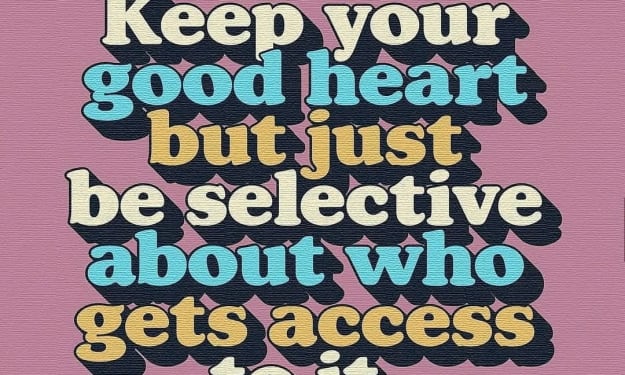
Boundaries allow us to care deeply without carrying everything.
The Mental Health Cost of Weak Emotional Boundaries
When emotional boundaries are absent, the workplace becomes emotionally unsafe. We start internalizing criticism, becoming overly attached to outcomes, and holding ourselves personally accountable for team morale. This leads to a cycle of emotional dependence and self-neglect.
Common mental health consequences include:
- Persistent fatigue even outside work hours
- Difficulty switching off after the workday
- Emotional numbness or irritability
- Increased risk of anxiety and depression
Protecting mental health starts with emotional clarity, not emotional suppression.
Key Signs Your Emotional Boundaries at Work Are Too Weak
Recognizing boundary issues is the first step towards change. Weak emotional boundaries are often subtle.
Warning indicators include:
- Feeling responsible for coworkers’ moods
- Overexplaining or over-apologizing
- Difficulty saying no to extra tasks
- Taking feedback as personal rejection
- Feeling guilty for taking breaks or time off
These patterns indicate emotional overextension, not dedication.
How Emotional Boundaries at Work Improve Performance
Contrary to outdated beliefs, emotional boundaries do not reduce productivity—they enhance it. Emotional control allows us to make better decisions, communicate more efficiently, and collaborate without resentment.
Strong emotional boundaries can lead to:
- Better focus and cognitive clarity
- Healthier professional relationships
- Increased confidence and self-trust
- Reduced conflict and miscommunication
Mental health and performance are not opposing concerns; rather, they are interrelated.
Practical Strategies to Build Emotional Boundaries at Work
1. Separate Identity from Role
Our work titles do not define us. Defining self-worth outside of professional achievement reduces the risk of emotional breakdown when work becomes difficult.
2. Practice Neutral Professional Empathy
We may recognize emotions without absorbing them. Listening does not require emotional investment.
3. Limit Emotional Availability
Being available does not imply being accessible at all times. Scheduled communication preserves emotional energy.
4. Set Clear Communication Expectations
Clarity about response times, task capacity, and responsibilities alleviates emotional stress.
5. Normalize Emotional Check-Ins with Yourself
Regular self-reflection helps determine when boundaries are being crossed before burnout occurs.
Emotional Boundaries in High-Pressure Work Environments
In fast-paced industries such as healthcare, technology, journalism, and customer service, emotional labor is often unseen yet continual. Without boundaries, professionals perceive urgency and stress as personal failure.
The following are examples of effective emotional boundaries in high-pressure roles:
- Detaching from unrealistic timelines
- Acknowledging limits without guilt
- Refusing emotional manipulation disguised as “team culture.”
Boundaries provide psychological safety even when external conditions remain severe.
How Emotional Boundaries Protect Against Burnout
Burnout is caused by mismanaged emotional demands, not just a heavy workload. Emotional boundaries serve as a protective barrier between external pressure and interior well-being.
They protect against:
- Compassion fatigue
- Emotional depletion
- Chronic overwhelm
- Loss of motivation and purpose
When emotional boundaries are firm, recovery is possible, even in stressful roles.
Why Gen Z Needs Emotional Boundaries at Work
Gen Z enters the workforce with high emotional intelligence and a strong desire to do meaningful work. Without boundaries, emotional openness can become a liability.
Emotional boundaries enable Generation Z professionals to:
- Advocate for mental health without overexposure.
- Maintain authenticity without emotional burnout.
- Build sustainable careers aligned with personal values.
Boundaries are not resistance—they are resilience.
You may enjoy reading more posts on Talk Gen Z.
About the Creator
Relationship Guide
Relationship Guide is about relationships, marriage, affairs, compatibility, love, dating, emotional issues, and tips for healthy relationships.
Keep reading
More stories from Relationship Guide and writers in Motivation and other communities.
Healthy Lifestyle in Your 20s Before Your Health Pays the Price
Your 20s feel like the decade where you can “eat anything,” “sleep whenever,” and “deal with it later.” But here’s the truth Gen Z needs right now: your 20s build the foundation your 30s, 40s, and 50s will depend on. Think of it like setting the software for your lifelong health—what you install now is what runs later.
By Relationship Guide2 months ago in Motivation
Face the Shadow Find the Light
(Trigger warning: This article covers the topic of domestic violence. If you or someone you know needs help, please get in touch with the National Domestic Violence Hotline for help https://www.thehotline.org/ 1–800–799- 7233)
By Kristine Franklin3 days ago in Motivation
"Hear Me Out"
"Hear me out, what if we ran away together?" "Where do you want to go?" "Anywhere but here. We could move to a new city or to Canada, or we could disappear from society to live in the middle of the woods. Maybe a combination of two of those things would be good. What do you say?"
By Kay Husnick8 days ago in Fiction



Comments
There are no comments for this story
Be the first to respond and start the conversation.