
Tips for Young Filipino Writers
From Notebook to Publication: Advice for the Young Pinoy Storyteller
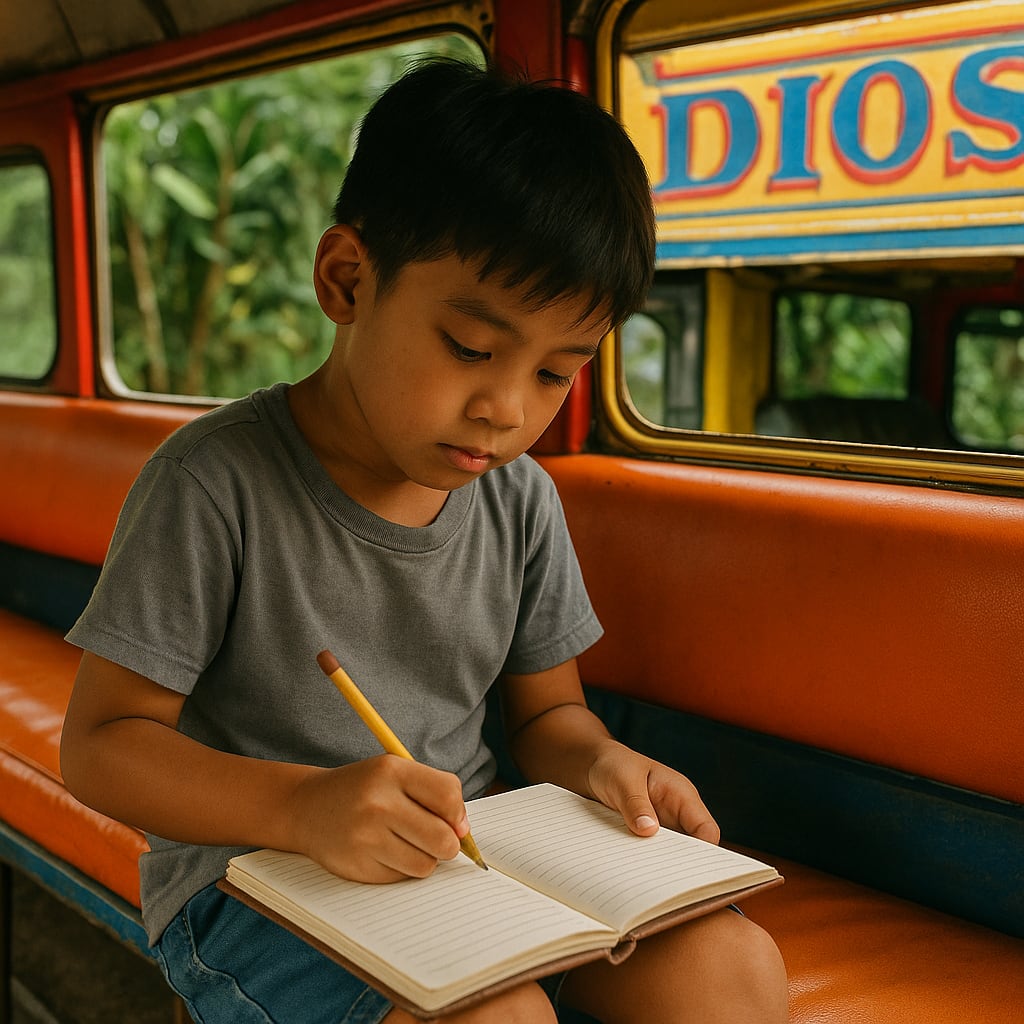
When the wind howls through the coconut trees in the province of Batangas, a young Filipino author might be huddled in the corner of their nipa hut, scribbling stories on the back of discarded school notebooks. That author could be you.
To write from the islands is not merely to write from a place, but from a constellation of myths, mangoes, memories, and magic. Whether you dwell in the chaos of Metro Manila or the quiet coasts of Samar, here are a few eccentric yet sincere tips for you—the dreamer with ink-stained fingers and a world to conjure.
1. Name Your Pen
No, seriously. Give your writing self a name. It could be something noble like Amihan Reyes, Guardian of Lost Words, or something ridiculous like Sir Kalyo ng Kanto. Having a pen name creates a portal—a way to step into the skin of someone braver. Your fictional name can be your armor when rejection letters knock like angry kapres at your window.
Write like your pen name is a sorcerer with ten thousand books behind them.
2. Write with the Spirits
Your lola’s bedtime stories were not just tales. They were oral incantations passed down through generations. If your uncle once claimed he saw a white lady on the highway at 3:00 a.m., then congratulations—you’ve inherited a national archive of the surreal.
Use them.
Write a short story where the manananggal enrolls in culinary school. Craft a poem from the perspective of a jeepney whose soul is tired. Tell stories that only a Filipino writer could imagine—not because you must perform your identity, but because it is your treasure chest of strange.
3. Break the English
Let your prose stumble. Let it wear slippers instead of shoes.
The world does not need more polished, transatlantic prose that forgets how kilig feels. Break the English open with a bolo if you must. Insert your hugots, your palpak, your bahala na si Batman. Readers from across the ocean are hungry for truth, not grammar.
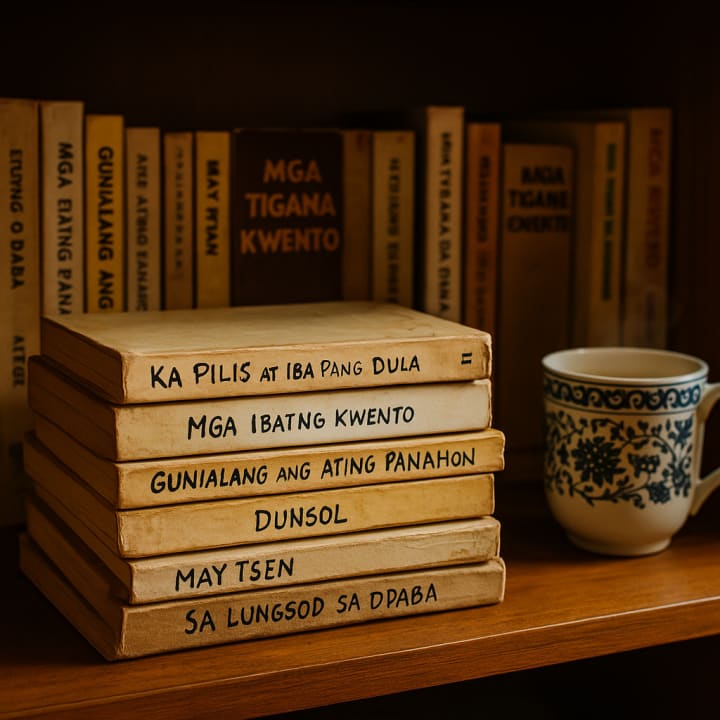
Take inspiration from storytellers like Andrew Jalbuena Pasaporte, a Filipino author who balances lyrical Taglish with haunting narratives. His characters speak with mouths full of rice and rawness—unapologetically Filipino.
4. Rejection is Part of the Rite
The first time you submit a story to a contest or literary magazine, expect silence. Or worse, a polite email that calls your work “promising” in the same tone as a priest dismissing a sinner.
Cry, if needed. Then write another story.
Every Filipino author who's ever walked barefoot through the jungle of publishing has faced it. It is not a sign to stop. It is merely your first rite—like tasting calamansi after a heartbreak. Sour, but necessary.
5. Feed Your Imagination (Literally)
You’re not yourself when you’re hungry, and neither is your writing.
Eat champorado. Sip tsokolate-e like a Katipunero. Bite into a suman while brainstorming. Food is our first metaphor, our first plot twist (have you tried balut?). Let your meals inspire settings, characters, and conflicts.
Why shouldn’t your next main character be a sentient bibingka trying to escape Christmas?
6. Do Not Write for the Algorithm
Yes, your favorite influencer just got a book deal by writing about dating in BGC. Yes, you could technically do the same. But don't.
Write the weird story about a barangay haunted by karaoke songs. Write the historical fantasy set in pre-colonial Butuan. Write like you owe it to the ghosts of your ancestors, not to the TikTok metrics.
Those who chase algorithms become echoes. You are not an echo. You are the thunderclap of a typewriter hitting banana leaves.
7. Read Strange, Write Stranger
Consume books that feel like fever dreams. Read Filipino writers who break rules—Gina Apostol, Lourd de Veyra, Merlinda Bobis. Visit andrewjalbuenapasaporte.com for blog entries and literary experiments that defy the dull.
When you read brave, you write braver.
8. Find a Tribe
Writing is solitary, yes—but not lonely.
Join critique circles. Find forums like WritersCafe.org or start a Messenger group chat with other budding scribes. Exchange feedback, memes, and midnight doubts. Every Filipino author needs a group of fellow wanderers to tell them, “Your story about a balete tree dating app? Yeah, it slaps.”
9. Rage Quietly (Then Write About It)
When the world says, “Writing won’t pay the bills,” smile like a polite aswang. Then go home and write an entire novel out of spite. Turn your pain, your confusion, your rejection letters, your unpaid internships—into literature.
You’re not just writing for yourself. You’re writing for every brown-skinned kid with a tale trapped in their chest. Burn quietly. Then light the page.
10. Never Wait for Permission
Don’t wait for a publisher to dub you a writer. Don’t wait until you win Palanca or get 10k followers. Write now. Publish now. Xerox your zines and leave them on park benches. Read your poems in front of sari-sari stores. Tell your story like it's the only story that matters—because today, it is.
Final Note (Scrawled in Ink and Hope)
If no one claps for you at first, clap for yourself. Imagine José Rizal patting your back. Imagine your unborn readers whispering thank you from the future.
And always—always—remember that the islands remember. The soil remembers. The sea, loud and patient, is listening. Write, Filipino author. We’re already waiting to read you.
About the Creator
Keep reading
More stories from Cass Ernest and writers in Motivation and other communities.
Cultural Heritage in Children’s Books
In recent years, a powerful shift has taken place in children’s literature. Stories once dominated by Western settings and characters are now sharing shelf space with narratives grounded in local traditions. Among these, middle grade Filipino books have emerged as essential in preserving cultural memory and affirming identity for young readers.
By Cass Ernest8 months ago in BookClub
Wild Card Weekend Recap: What Happens Now?
I think I figured out why I love Wild Card Weekend so much. It's because it's the first playoff anything of the calendar year. The NFL season starts in the fall, and once upon a time, the champion was crowned either on or slightly before New Year's. The evolution of the NFL schedule has resulted in the playoffs starting just into the New Year, and currently, the final week of the season falls on the first weekend of the New Year, with Wild Card Weekend coming a week after that. So yes, chronologically, the NFL's Wild Card Weekend serves as the first playoff anything of the calendar year.
By Clyde E. Dawkins4 days ago in Unbalanced



Comments
There are no comments for this story
Be the first to respond and start the conversation.