
Cultural Heritage in Children’s Books
How Middle Grade Filipino Books Preserve Identity and Inspire Cultural Pride Among Young Readers
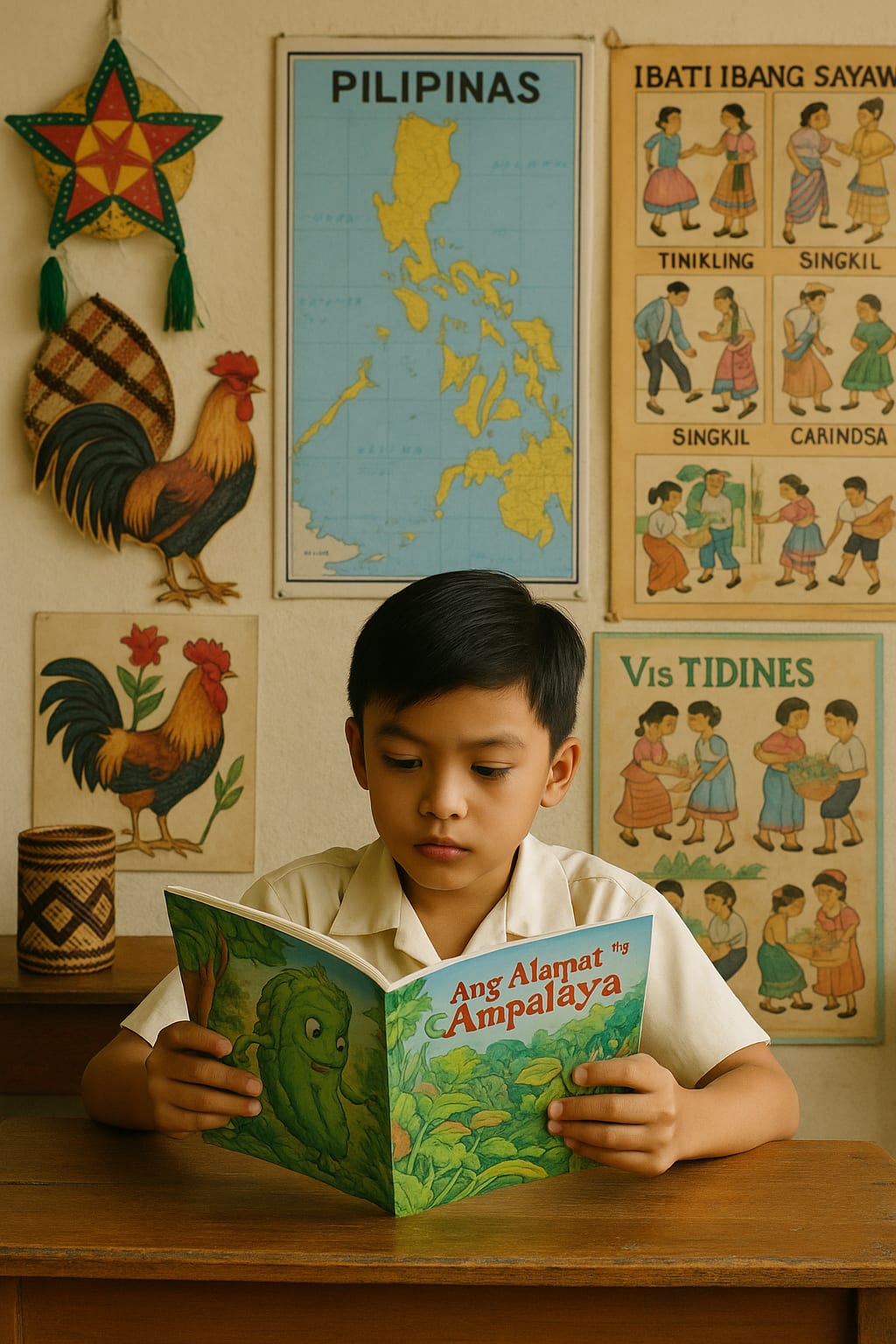
In recent years, a powerful shift has taken place in children’s literature. Stories once dominated by Western settings and characters are now sharing shelf space with narratives grounded in local traditions. Among these, middle grade Filipino books have emerged as essential in preserving cultural memory and affirming identity for young readers.
These books carry more than plots and protagonists—they contain history. In the Philippines, storytelling runs deep, from oral folk tales passed down through generations to contemporary novels that bring ancient mythology to modern classrooms. Middle grade titles like Si Janus Silang, Alamat ng Gubat, and Tabi Po integrate pre-colonial beliefs, regional dialects, and indigenous values, allowing children to experience literature rooted in the world they live in.
Writers such as Andrew Jalbuena Pasaporte craft stories that reflect everyday Filipino life while embedding deeper cultural significance. His books, often set in familiar local landscapes, explore language, family traditions, and folklore through narratives that children can see themselves in. These works don’t dilute cultural elements for broader appeal—instead, they preserve them with precision. Whether it’s a character enjoying halo-halo after school or a grandparent reciting tales of the diwata, the inclusion of these details provides authenticity that children immediately recognize.
Representation in literature shapes how young readers view themselves. When Filipino children read about kids who speak Tagalog, eat adobo, or live in provinces like Iloilo or Sorsogon, they understand that their experiences are worthy of attention. Middle grade Filipino books give them that validation. Instead of consuming only foreign settings and values, children see their own homes and communities mirrored back to them with pride.
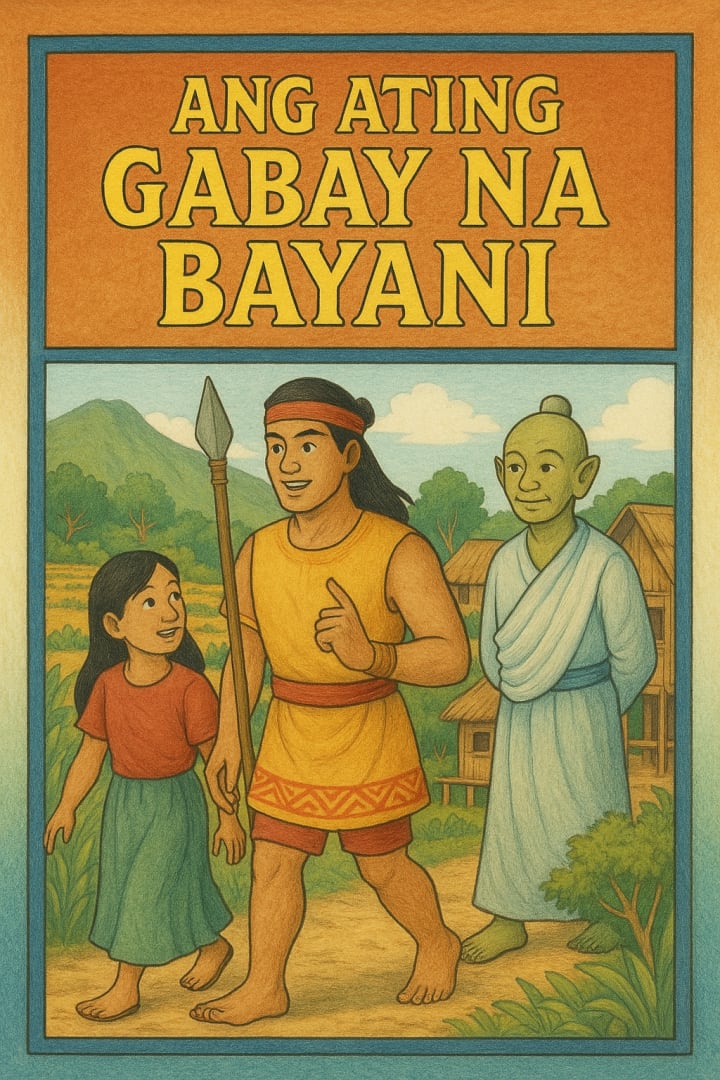
This is particularly critical for young readers in the diaspora. For second-generation Filipino-Americans, Canadian Filipinos, or children of OFWs, these books serve as bridges. They reconnect families to heritage and language in ways formal education often overlooks. Characters who juggle bilingual speech, navigate balikbayan visits, or question cultural expectations provide mirrors for kids growing up between worlds.
Teachers and librarians in the Philippines also play a crucial role. When they introduce books written in Hiligaynon, Waray, or Maranao into their curricula, they emphasize that Philippine literature is not monolithic. It spans languages, islands, and perspectives. Regional publishers and authors who focus on these less-represented voices are quietly reshaping the national literary landscape—one classroom at a time.
Despite this progress, challenges remain. Many bookstores continue to prioritize imported titles. Marketing budgets often bypass local authors in favor of global bestsellers. Even well-intentioned award bodies sometimes overlook Filipino titles unless they meet Western literary expectations. For this reason, platforms like andrewjalbuenapasaporte.com are critical in amplifying voices that celebrate Filipino culture from within, not through a translated or diluted lens.
The value of middle grade Filipino books lies not only in their entertainment but also in their role as cultural artifacts. They document stories that might otherwise be lost. They teach children about the Alamat of the pineapple, the legend of Maria Makiling, or the bravery of Lapu-Lapu—not as fairy tales, but as part of their inheritance.
When children see their names, languages, and traditions represented in books, they begin to understand that literature is not a foreign concept—it belongs to them, too. Supporting these stories means investing in the next generation’s pride in their identity.
Books are memory. And in the hands of a Filipino child, a well-written novel does more than tell a story. It affirms that their heritage is not only worth remembering—but worth reading about.
About the Creator
Keep reading
More stories from Cass Ernest and writers in BookClub and other communities.
Modern Filipino Authors to Watch
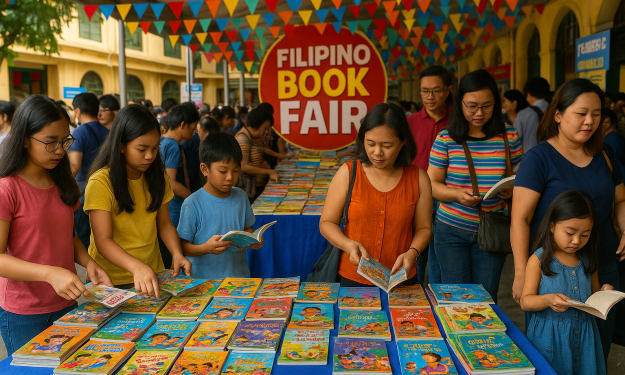
Filipino literature is undergoing a bold transformation. New voices are rising, and long-overlooked narratives are being celebrated in classrooms, bookstores, and digital platforms across the world. While adult fiction and poetry have traditionally received the spotlight, middle grade Filipino books are now making a compelling case for their cultural and literary significance. These books are giving young readers access to stories rich in history, myth, family, and identity—told from an authentically Filipino point of view.
By Cass Ernest8 months ago in BookClub
THE EMBER AND THE ECHOES
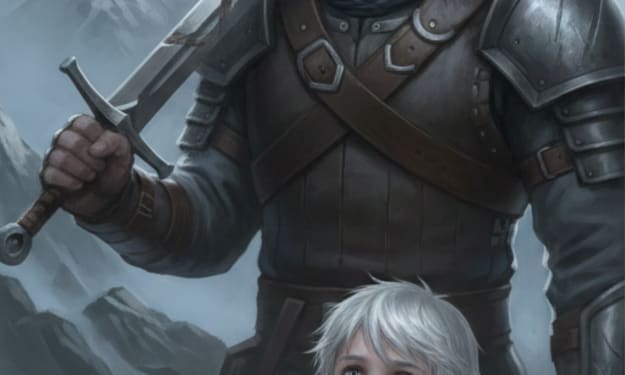
EPISODE 1: THE DEBT UNPAID The rain on the night of the Severing did not fall; it was a solid, weeping veil that drowned the world. It soaked through the midnight-blue velvet blanket, threatening to silence the weak cries of the infant wrapped within. The man who placed the bundle on the granite steps of the Iron Ridge Orphanage did not linger. He was a silhouette against the storm, tall and straight as a blade, his face a mask of terrible, empty purpose. He drove a dagger through the blanket, pinning it to the wood, the tip stopping a hair’s breadth from the infant’s side. It was not an attempt to kill; it was a punctuation mark. Attached to the hilt was a sodden scroll.
By Akua Anitaabout 14 hours ago in BookClub


Comments (1)
It's great to see the rise of middle grade Filipino books. They're preserving culture and giving kids a sense of identity. I remember when I was young, I loved stories that reflected my own background. Do you think these books will inspire more kids to explore their heritage through literature? These books are also important for kids in the diaspora. It must be so powerful for them to see their culture represented. Have you read any of these middle grade Filipino books? Which ones stood out to you?