
The Unspoken Loneliness Epidemic No One Wants to Admit
Why millions suffer in silence despite being more digitally connected than ever before.

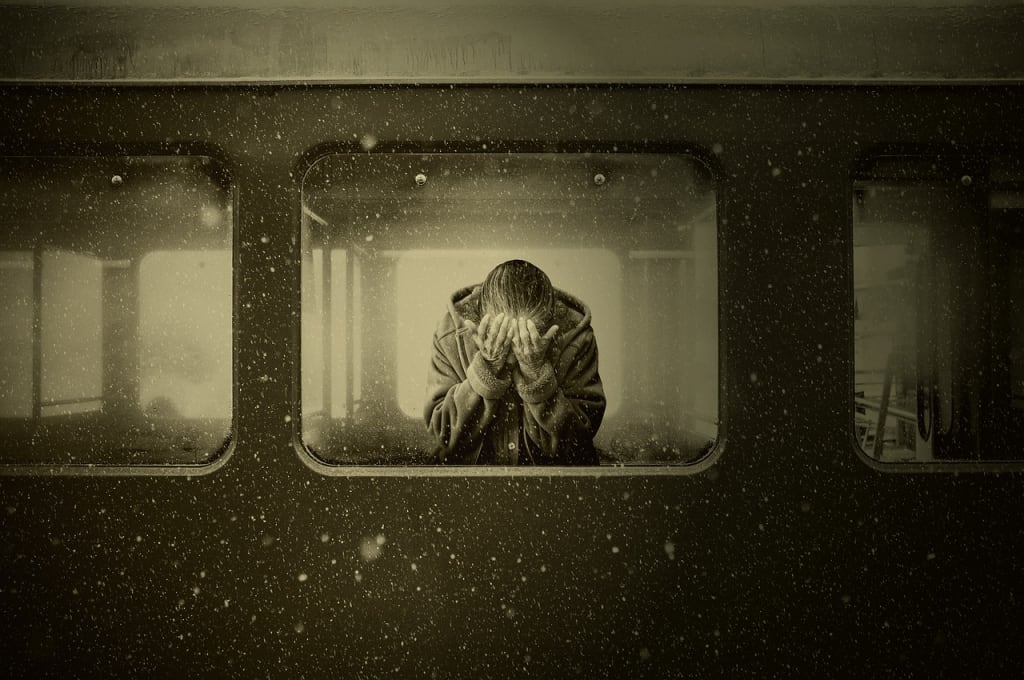
We live in a world where connection is at our fingertips, yet so many of us feel devastatingly alone.
We can scroll, swipe, heart, like, and react — but none of it seems to satisfy the deeper need for human closeness. In fact, despite more than 5 billion people being online and virtually linked, loneliness has silently grown into one of the most widespread and painful epidemics of our time.
It’s an epidemic no one wants to admit — but one that’s shaping how we live, how we work, and even how we die.
The Quiet Suffering of a Loud Generation
Loneliness doesn’t always look like isolation. In fact, many of the loneliest people are surrounded by others — online, in school, at work, or even at home. That’s what makes it so hard to talk about: loneliness hides behind smiles, success, and social media filters.
Gen Z and Millennials are reporting record levels of loneliness, despite living in the most hyper-connected era in human history. A 2025 global mental health survey shows that nearly 58% of people under 35 feel “seriously disconnected” from others — and many cite social media, hustle culture, and digital overload as major contributors.
This isn’t just sad. It’s dangerous.
Loneliness: A Real Health Threat
According to the U.S. Surgeon General and the World Health Organization, chronic loneliness is as harmful as smoking 15 cigarettes a day. It's linked to depression, anxiety, heart disease, weakened immunity, poor sleep, and premature death.
But perhaps worse than the physical consequences is how loneliness chips away at your sense of self.
When you feel unseen or unheard for long enough, you start to question your worth. You start to believe maybe it’s you that’s the problem.
The Lie of “Everyone Else Has It Together”
Social media fuels a brutal comparison culture. We see perfectly curated snapshots of other people’s lives — smiling friends, romantic getaways, thriving careers — and assume that everyone else is doing great.
The truth? Most people are struggling.
They’re just struggling in silence.
We scroll past people every day who are hanging by a thread. Sometimes, we are that person. But because the platforms reward performative positivity, people rarely post when they’re breaking down at 2 a.m. or going days without meaningful conversation.
And so the illusion continues.
Digital Connection ≠ Emotional Connection
Text messages and likes are no substitute for eye contact, physical presence, and authentic conversation. We need real intimacy — not just shared memes and passive scrolling.
There’s a difference between being seen online and being understood in real life.
Algorithms may push content toward our screens, but they can't hold our hands, hug us when we’re hurting, or tell us we matter. In fact, overreliance on digital platforms may be deepening the emotional divide between us.
Urban Solitude: Alone in a Crowd
It’s not just about the internet. Our cities, jobs, and lifestyles have become increasingly individualistic. More people are living alone, commuting alone, working remotely, and spending hours each day in their own mental echo chambers.
Even in crowded urban centers, people report feeling deeply alone. Surrounded, but not supported. Seen, but not soothed.
In a capitalist culture where productivity is prized above connection, loneliness is often treated like a personal failure instead of a societal design flaw.
Why We Don’t Talk About It
There’s a deep shame around loneliness. It’s vulnerable. Admitting it can feel like you’re confessing that you’re unlovable, broken, or socially defective.
But in reality, the shame is misplaced. Loneliness is not a reflection of your value — it’s a signal that something essential is missing. That signal deserves compassion, not silence.
Breaking the Cycle
So how do we fight an epidemic of invisibility?
Here are small but powerful ways to begin reconnecting — with others, and with yourself:
1. Name it.
Acknowledge when you're lonely. Speak it aloud, even if just to yourself. Shame dissolves in honesty.
2. Reach out imperfectly.
Send that awkward “Hey, just checking in” text. You don’t need the perfect words to connect — just the intention.
3. Seek slow presence.
Spend time in shared spaces — libraries, coffee shops, parks — even without conversation. Being around people matters.
4. Prioritize deep conversation.
One meaningful chat can do more for your well-being than a hundred shallow interactions.
5. Create instead of consume.
Making something — art, writing, music — can bring you back to yourself and invite others into your world.
You're Not the Only One
If you’re feeling lonely, you’re not broken. You’re human.
There are millions feeling just like you — overwhelmed, quietly hurting, unsure of how to ask for connection in a world that glorifies independence and distraction.
But you are not invisible. You are not too much. And you are not alone.
We need to normalize talking about loneliness, not as a symptom of failure but as evidence of our need for love, community, and meaning.
This is the epidemic we can fight — not with vaccines or medicine, but with vulnerability, empathy, and genuine human presence.
So here’s your reminder:
Reach out. Be honest. Let someone in.
Even one connection can begin to rewrite your story.
❤️ Final Thought
Loneliness may feel like a personal burden, but it's a collective crisis. The solution isn’t more scrolling or pretending — it’s courageous honesty and showing up for each other.
Let’s stop hiding it. Let’s talk about it.
About the Creator
Hamad Haider
I write stories that spark inspiration, stir emotion, and leave a lasting impact. If you're looking for words that uplift and empower, you’re in the right place. Let’s journey through meaningful moments—one story at a time.
Keep reading
More stories from Hamad Haider and writers in Motivation and other communities.
How I Built a $10K/Month Side Hustle with Zero Followers
You don't need a million followers, a six-figure investment, or a viral TikTok to change your financial life. I started with none of those things. What I did have was rent due, a laptop, and the stubborn belief that there had to be a smarter way to earn money than giving all my energy to a job I hated.
By Hamad Haider7 months ago in Motivation
I Thought I Was Falling Behind in Life
I used to think I was falling behind in life, but it turns out I was just on my own timeline. It felt like I was always playing catch-up. "Way behind." Running a little behind. It felt like everyone else understood something I didn't get.
By Beshoy Zayerabout 15 hours ago in Motivation




Comments
There are no comments for this story
Be the first to respond and start the conversation.