
The Story of Malala Yousafzai: How One Girl Changed the World
From Surviving a Taliban Attack to Becoming a Global Icon for Education and Women’s Rights

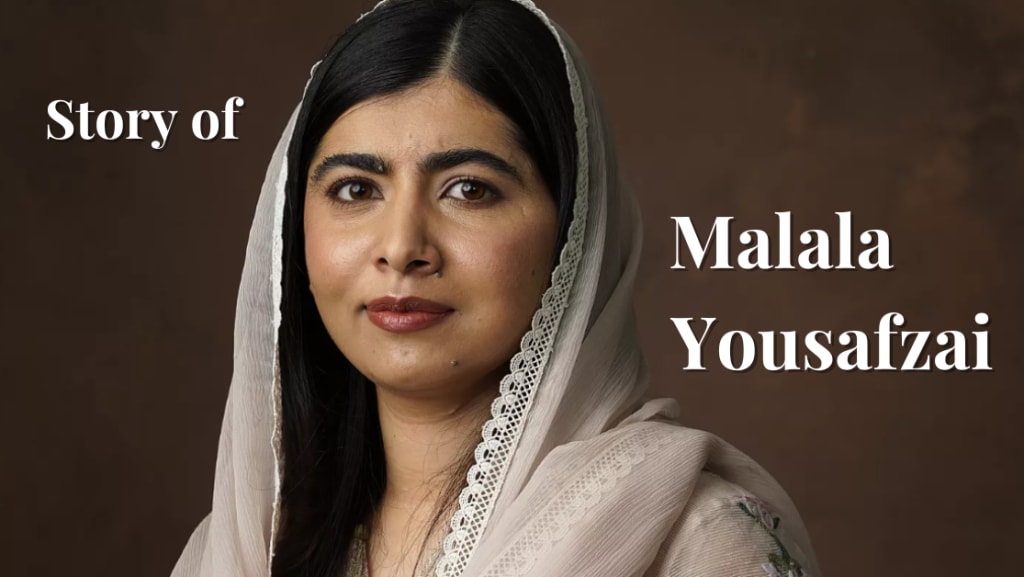
At just 15 years old, Malala Yousafzai was shot in the head by the Taliban for daring to go to school. But instead of silencing her, the attack made her voice louder and her mission clearer. Today, Malala is a global symbol of courage, resilience, and the fight for education and women’s rights. Her story is not just about survival; it’s about how one girl’s unwavering determination can change the world.
Early Life and Activism
Malala Yousafzai was born on July 12, 1997, in Mingora, a small town in Pakistan’s Swat Valley. From a young age, she was surrounded by a family that valued education. Her father, Ziauddin Yousafzai, was a teacher and an outspoken advocate for girls’ education, running a school for both boys and girls.
In 2007, when the Taliban took control of Swat Valley, they imposed strict rules, banning television, music, and most devastatingly education for girls. Malala, only 11 years old at the time, began speaking out against these injustices. She started writing an anonymous blog for the BBC under the pseudonym Gul Makai, detailing her life under Taliban rule and her determination to continue her education.
Her bravery didn’t stop there. By 2009, Malala’s identity was revealed, and she became a prominent voice for girls’ education in Pakistan. She gave interviews, participated in documentaries, and even stood up to local Taliban leaders. But her activism came at a cost.
The Attack and Its Aftermath
On October 9, 2012, Malala’s life changed forever. While riding a school bus home, a Taliban gunman boarded the vehicle, asked for her by name, and shot her in the head. The attack left her critically injured, and she was rushed to a hospital in Peshawar before being flown to the UK for specialized treatment.

Miraculously, Malala survived. Her recovery was long and painful, but it only strengthened her resolve. The attack sparked global outrage, with millions rallying behind her cause. World leaders, celebrities, and ordinary people alike condemned the Taliban and pledged their support for Malala’s mission.
Becoming a Global Icon
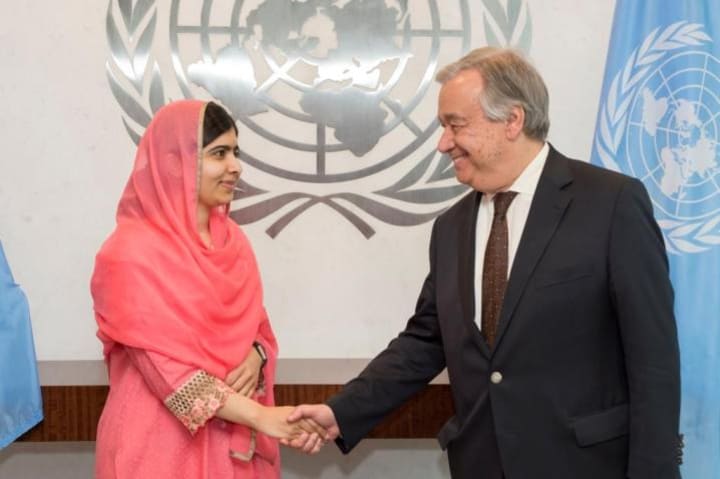
Malala’s story quickly became a symbol of hope and resilience. In 2013, she co-authored her memoir, I Am Malala, which became an international bestseller. That same year, she delivered a powerful speech at the United Nations, declaring,
“They thought a bullet would silence us, but they failed. Nothing changed except this: weakness, fear, and hopelessness died. Strength, power, and courage were born.”
In 2014, Malala became the youngest-ever recipient of the Nobel Peace Prize at just 17 years old. She shared the award with Indian activist Kailash Satyarthi for their struggle against the suppression of children and young people and for the right of all children to education.
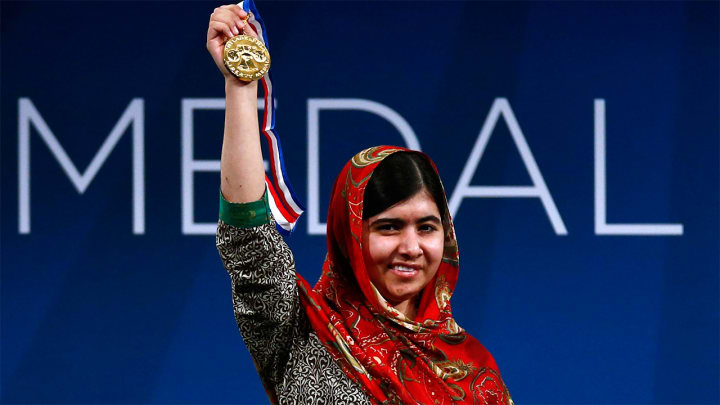
Malala didn’t stop there. She co-founded the Malala Fund, a nonprofit organization dedicated to ensuring 12 years of free, safe, and quality education for girls around the world. Through the fund, she has supported projects in countries like Nigeria, Syria, and Brazil, helping thousands of girls access education.
Challenges and Criticisms
Despite her global acclaim, Malala’s journey hasn’t been without challenges. In her home country of Pakistan, some have criticized her, accusing her of being a “Western puppet” or exaggerating her story for fame. Others have questioned her focus on girls’ education, arguing that boys in impoverished regions also face barriers to schooling.
Malala has navigated these criticisms with grace, emphasizing that her mission is inclusive.
“I am not telling men to step away from speaking out for girls’ education,” she has said. “I am just asking women to step forward.”
Legacy and Impact
Malala’s impact on the world is immeasurable. Her advocacy has brought global attention to the importance of education, especially for girls in developing countries. According to UNESCO, 130 million girls worldwide are out of school, and Malala’s work has helped shine a light on this crisis.
Through the Malala Fund, she has:
- Supported education programs in over 8 countries.
- Helped thousands of girls return to school in regions affected by conflict and poverty.
- Advocated for policy changes to ensure education is a priority for governments worldwide.
But Malala’s influence goes beyond statistics. She has inspired millions of people young and old to stand up for what they believe in. Her story reminds us that no voice is too small to make a difference.
Conclusion
Malala Yousafzai’s story is one of courage, resilience, and the transformative power of education. From a young girl in Pakistan’s Swat Valley to a global icon, she has shown the world that one person’s determination can ignite change on a global scale.
As Malala herself once said, “One child, one teacher, one book, and one pen can change the world.” Her journey is a testament to the truth of those words.
So, what will you do to make a difference?
About the Creator
Keep reading
More stories from Bevy Osuos and writers in Motivation and other communities.
How to Build a Morning Routine That Sets You Up for Success
Introduction Ever wonder why some people seem to accomplish so much before 9 a.m. while you’re still hitting the snooze button? The secret lies in their morning routine. A well-crafted morning routine can set the tone for your entire day, boost your productivity, and even improve your mental health. In this article, we’ll break down how to build a morning routine that sets you up for success—no matter how busy you are.
By Bevy Osuos11 months ago in Motivation
Why the Hardest Battles Are Fought Inside Your Mind
Every human being is fighting a battle that the world cannot see. We wake up, smile, go to work, scroll through social media, and pretend everything is fine—while inside, our mind is questioning our worth, our direction, and our purpose. This silent war within is the most exhausting conflict of all, because there are no visible wounds, yet the damage can be lifelong.
By Irfan Aliabout 17 hours ago in Motivation



Comments
There are no comments for this story
Be the first to respond and start the conversation.