
The Loneliness of Humanity in the Digital Age
A quiet story about finding human connection in a noisy digital world.
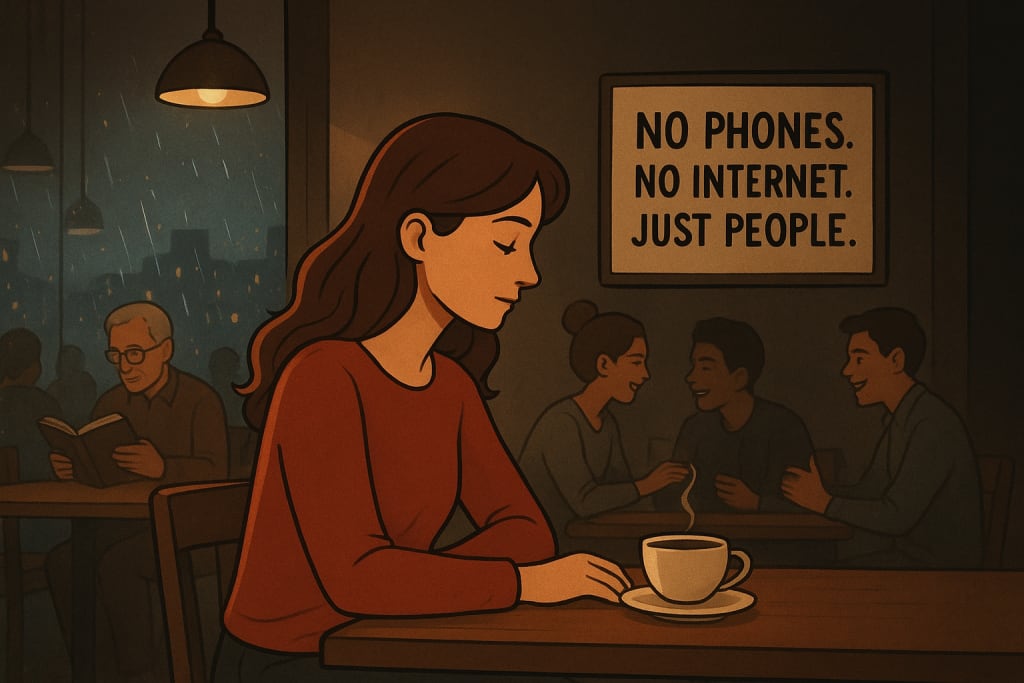
In today’s world, technology surrounds us at every step. We wake up to the sound of alarms on our phones, check notifications before brushing our teeth, and spend hours scrolling through endless feeds. On the surface, it looks like we are more connected than ever before. Yet, beneath this glittering digital world lies a quiet truth: we are lonelier than any generation before us.
Loneliness in the digital age is not about being physically alone; it is about being emotionally isolated despite constant communication. Social media, online communities, and instant messaging were designed to bring us together, but often they leave us with a hollow feeling. We scroll through pictures of friends smiling, vacations taken, and success stories celebrated. Deep down, we wonder: “Why doesn’t my life feel like that?” This constant comparison creates a silent gap inside us, making us feel unseen even when thousands of people are on our contact lists.
One of the reasons for this growing loneliness is the shift from face-to-face interaction to digital conversation. In the past, human relationships were built on shared moments—talking at the dinner table, walking with friends in the evening, or simply sitting quietly with family. Now, a “like” or a “heart emoji” has replaced these moments. While such gestures seem warm on the screen, they cannot replace the comfort of hearing a loved one’s voice or feeling the presence of someone sitting next to you.
Another aspect of digital loneliness is how technology creates an illusion of busyness. Notifications, work emails, and constant news updates give us the impression that our lives are full. But when the screen goes dark, silence creeps in. This is when many realize that their digital lives are vibrant, yet their real lives feel empty.
The impact of this silent loneliness is profound. Studies show that loneliness can harm mental health, leading to anxiety, stress, and even depression. It affects physical health too, with some researchers comparing chronic loneliness to smoking a pack of cigarettes a day. The mind and body both crave human connection, and without it, we begin to break down in ways we cannot immediately see.
However, the digital age does not have to be an enemy. If used with mindfulness, technology can help us reconnect in meaningful ways. Video calls allow us to see loved ones far away, online platforms let us share ideas across cultures, and communities built on kindness can create real support systems. The key is to use technology as a bridge, not as a wall. Instead of scrolling endlessly, we can schedule time to call a friend. Instead of comparing our lives to filtered images, we can share genuine moments that reflect our real selves.
Another solution lies in re-discovering the value of solitude. Being alone is not always the same as being lonely. Solitude allows us to hear our own thoughts, understand our emotions, and grow as individuals. The problem is that in the digital age, we have forgotten how to sit quietly with ourselves. By practicing mindfulness, journaling, or even spending a few hours away from screens, we can rediscover the peace of our inner world.
Ultimately, loneliness in the digital age is a reminder of a deeply human truth: we are social beings. We need connection, empathy, and understanding. While technology is powerful, it cannot replace a warm hug, a shared laugh, or the comfort of someone who listens without judgment. To heal from digital loneliness, we must find balance—embracing the gifts of technology while also cherishing the timeless value of human presence.
In the end, the digital world is a tool, not a substitute for humanity. If we remember to use it wisely, we can transform loneliness into connection and isolation into belonging. The challenge is real, but so is the hope. And in that hope, we may find the human detail we all share.
About the Creator
Keep reading
More stories from Waqas Ahmad and writers in Motivation and other communities.
Loneliness in the Digital Age: A Silent Struggle
In today’s fast-paced digital world, humans are more connected than ever before. With just one click, we can speak to someone across the globe, share our thoughts instantly, and express our emotions through emojis, likes, and comments. Yet beneath this surface of constant connection lies a quiet warning: loneliness is spreading faster than ever.
By Waqas Ahmad 5 months ago in Motivation


Comments
There are no comments for this story
Be the first to respond and start the conversation.