
The Language of Flowers
A crafted tale of love, heartbreak, and forgiveness through the language of a garden.


OUTLINE
INTRODUCTION
A. Introduce Amelia, a woman whose heart was shattered by lost love
B. Describe Amelia's garden as her sanctuary and her refuge
C. Establish the concept of the language of flowers as a means of expressing complex emotions
The Language Takes Root
A. Show Amelia selecting flowers with specific meanings to create her garden
B. Highlight the symbolism and emotional depth behind each flower she chooses
C. Demonstrate Amelia's emotional connection to her garden as a form of communication
Navigating Heartbreak
A. Explore Amelia's journey through heartbreak and grief
B. Illustrate her using specific flowers to express her pain and longing
C. Show the garden as a space for Amelia to process her emotions and find solace
Reconciliation and Forgiveness
A. Introduce Peter, the person who broke Amelia's heart
B. Depict Peter's return to Amelia's life, seeking forgiveness and understanding
C. Demonstrate Amelia and Peter's silent communication through flowers as they navigate their relationship and work towards reconciliation
The Garden's Evolution
A. Show the garden evolving alongside Amelia and Peter's emotional journey
B. Demonstrate the garden as a space for healing, growth, and renewed love
C. Highlight how new flowers and their meanings are added to the garden to reflect their evolving emotions
Sharing the Language
A. Open the garden to the community, inviting others to experience its emotional power
B. Illustrate how visitors leave their own tokens of emotion and find connection within the garden
C. Show Amelia and Peter's joy in witnessing the impact their garden has on others
The Timeless Message
A. Depict the passage of time and the garden's continued existence as a symbol of love and healing
B. Convey the enduring message of the language of flowers as a means of profound expression
C. Conclude with Amelia and Peter's reflection on the garden's lasting legacy and their own fulfilled journey
Conclusion
A. Emphasize the transformative power of love, forgiveness, and the language of flowers
B. Restate the significance of the garden as a living testament to human resilience and emotional depth
C. Leave the reader with a sense of hope and inspiration for their own emotional journeys.
INTRODUCTION
Amelia stood at the edge of her lush garden, her hands resting on the wrought iron fence that separated her from the vibrant sea of blossoms. Tears welled in her eyes as she gazed upon the kaleidoscope of colors that filled her sacred space. Each flower seemed to whisper secrets, their delicate petals a language only she understood.
It had been two years since Amelia's heart was shattered by a love that once bloomed like the roses she tenderly cared for. Peter had walked away, leaving behind a void that seemed impossible to fill. But in her garden, Amelia found solace. Amongst the fragrant blooms, she discovered a new way to communicate her deepest emotions.
Her gaze fell upon the velvety crimson rose, a symbol of passionate love. It reminded her of the intensity of her feelings for Peter. With trembling hands, Amelia plucked the rose from its stem and cradled it against her chest, as if holding a piece of her wounded heart.
Days turned into weeks, and Amelia's garden flourished with an array of flowers, each carefully chosen to express a different sentiment. The pure white lily, symbolizing purity and innocence, represented the forgiveness she longed to offer. Amelia placed the lily next to the crimson rose, a silent plea for Peter's understanding.
But as much as Amelia sought reconciliation, her garden also served as a reminder of the pain she had endured. The wilting violet, a symbol of heartache, lay nestled amidst the vibrant blossoms. Its drooping petals reflected the heaviness that lingered in her soul. She watered it tenderly, allowing it space to mourn alongside her.
One afternoon, as Amelia tended to her garden, a figure appeared at the garden gate. It was Peter, his eyes filled with regret and a hint of hope. Amelia's heart skipped a beat, and the garden seemed to hold its breath. She met his gaze, her emotions swirling like the vibrant petals around her.
Without uttering a word, Amelia plucked a sprig of lavender, representing devotion, and held it out to Peter. Her eyes conveyed the depth of her feelings, her longing for understanding and forgiveness. Peter's eyes softened, and he reached out, taking the sprig in his hand. The weight of their unspoken emotions hung heavy in the air.
Days turned into weeks, and the garden became a sanctuary for Amelia and Peter, a place where they could unravel their tangled emotions without the pressure of spoken words. The delicate pink carnation, symbolizing gratitude, adorned the garden path, silently expressing their appreciation for the second chance they had been granted.
Amongst the blooms, they found a new language, a silent conversation of love, healing, and understanding. The vibrant sunflowers whispered of the joy they found in each other's presence, their faces turned toward the sun, basking in the warmth of their renewed connection.
But just as flowers bloom and wither, so too did their emotions ebb and flow. The delicate forget-me-nots, a plea for remembrance, resurfaced as old wounds occasionally resurfaced. In those moments, Amelia retreated to her garden, seeking solace amongst the flowers that had become her confidants.
Seasons changed, and the garden evolved with them. Each bloom held a story, a chapter in Amelia and Peter's journey towards healing. The delicate cherry blossoms, representing new beginnings, painted a picture of resilience and growth. Their fragile beauty reminded Amelia of the fragility of life and love, urging her to treasure every precious moment.
As the years passed, Amelia's garden became a testament to the power of love and forgiveness. It stood as a testament to the complex emotions that words often failed to capture. Each flower, with its own unique symbolism, bore witness to the emotional tapestry woven by Amelia and Peter. The garden had become a living testament to their shared journey of healing and understanding.
Amidst the flourishing petals and verdant foliage, a special bond had formed between Amelia and Peter. They had learned to communicate without the fear of misinterpretation, using the language of flowers as their guide. The garden had become their sanctuary, a place where they could be vulnerable, transparent, and truly seen.
One day, as the sun cast a warm golden glow upon the garden, Amelia noticed a small sapling nestled amongst the blooms. Its delicate leaves shimmered with the promise of new life. As she knelt down beside it, she recognized the young tree as a symbol of hope and resilience. The sapling's presence brought tears of joy to her eyes, for it represented the depth of their emotional journey.
Amelia turned to Peter, her heart overflowing with gratitude. Without saying a word, she plucked a sprig of daisies, their cheerful white petals standing for purity and new beginnings. She held the daisies out to him, her eyes shining with love and appreciation. Peter understood the unspoken message and reached out, gently accepting the offering.
In that moment, amidst the blooms of their garden, Amelia and Peter embraced. The language of flowers had bridged the gaps that words alone could not fill. They had navigated the depths of their emotions, traversing the rocky terrain of heartbreak, forgiveness, and love.
As they stood together, their intertwined fingers resting against the vibrant tapestry of their garden, they realized that their journey was not just their own. The garden had witnessed their transformation, serving as a reminder of the universal power of healing and resilience.
Word of their remarkable garden spread throughout the community. People came from far and wide to witness its beauty and feel the profound emotions it evoked. They, too, found solace in the silent conversations between the flowers, discovering their own capacity for healing and connection.
Amelia and Peter opened their garden to the world, inviting others to immerse themselves in its tranquil embrace. They shared their story, not just of heartbreak and reconciliation, but of the universal language that exists within nature—a language that transcends barriers, unites souls, and breathes life into the depths of human emotions.
Their garden became a place of solace and inspiration, a refuge where others could find solace in the language of flowers. It became a canvas upon which countless stories unfolded, as visitors left behind tokens of their own emotional journeys—a yellow tulip representing unrequited love, a purple iris embodying wisdom and courage, a delicate forget-me-not symbolizing everlasting memories.
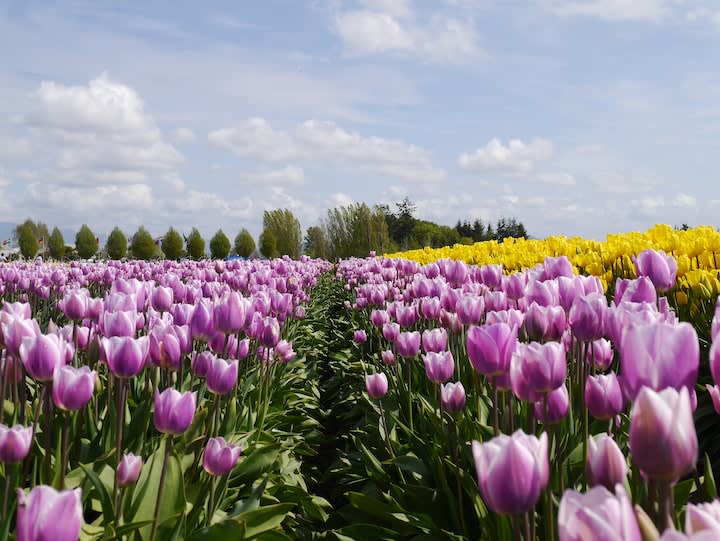
Amelia and Peter's garden continued to evolve, mirroring the ever-changing seasons of their lives. The flowers remained steadfast, growing and wilting, expressing the gamut of human emotions. And as long as their hearts remained open, the garden would forever serve as a testament to the power of the language of flowers—a language that transcended words, carried emotions, and healed souls.
Conclusion
In the final chapters of their tale, Amelia and Peter's garden stood as a testament to the resilience of the human spirit and the transformative power of love. The garden had become a sanctuary not just for them, but for all who sought solace and connection amidst its blossoms.
As the years passed, Amelia and Peter's bond deepened, their love and understanding growing like the tendrils of the vines that embraced the garden walls. They continued to nurture their garden, tending to the flowers with care and devotion, knowing that each bloom held a story, a whisper of emotions that could touch the hearts of those who paused to listen.
Their garden became a beacon of hope and inspiration, reminding all who wandered within its boundaries that even in the face of heartbreak, healing was possible. It became a gathering place, a space where individuals could connect, share their own stories, and find solace in the beauty of nature.
Amelia and Peter's journey had taught them that emotions were complex, delicate, and oftentimes too profound for words alone. But within the language of flowers, they had discovered a means of expression that transcended the limitations of language, reaching directly into the depths of the human soul.
And so, as Amelia and Peter stood hand in hand, surveying the ever-evolving landscape of their garden, they felt a deep sense of fulfillment. Their hearts overflowed with gratitude for the transformative power of their shared journey, and for the healing that had blossomed amidst the petals.
In the end, their garden was not just a collection of flowers—it was a testament to the human capacity for growth, forgiveness, and love. It had become a living, breathing entity, a symphony of colors and fragrances that spoke to the deepest corners of the human experience.
Amelia and Peter knew that their garden would continue to evolve, just as they had. Seasons would come and go, and new stories would unfold within its embrace. But the language of flowers would remain, serving as a timeless reminder that emotions were meant to be felt, expressed, and shared.
As the sun set, casting a golden glow over the garden, Amelia and Peter basked in the profound beauty that surrounded them. They knew that their love story, intertwined with the petals and leaves, would forever be etched into the fabric of their garden, an eternal reminder of the language that had healed their hearts and touched the souls of those who walked its paths.
And as they turned to each other, their eyes filled with a shared understanding, they knew that their tale would continue to inspire, to heal, and to remind others of the extraordinary power that lay within the language of flowers—a language capable of expressing the most complex and profound emotions that words alone could never capture.
About the Creator
Hannah Ajibola
I have always been captivated by the art of storytelling, creating and experiencing them. Whether it's through writing or reading I am constantly seeking to learn more and expand my horizons. I’m eager to absorb new ideas and perspectives.
Keep reading
More stories from Hannah Ajibola and writers in Motivation and other communities.
What I do to not lose my creative spark
The origin of creativity is in the mind, what you can imagine, you can bring to life. You can’t create something you’ve never imagined or envisioned (unless by accident), so this goes to show you that a lot of the creative process takes place in our mind and what else is in the mind? Memories.
By real Jema7 days ago in Motivation
How to Succeed at the Benson Directory®
Congratulations and welcome to the Benson Directory® employee #22391! As our newest call handler, you will have the privilege of speaking with dozens of unique and interesting people on a daily basis as well as the opportunity to earn bonuses for high performance. Contained within this handbook you will find a set of ease to follow instructions designed to help you settle in to your new role and begin paving the way to success.
By S. A. Crawforda day ago in Fiction



Comments
There are no comments for this story
Be the first to respond and start the conversation.