
The Importance of an Impressive Business Card for Your Small Business
By: Paul Claybrook, MS, MBA
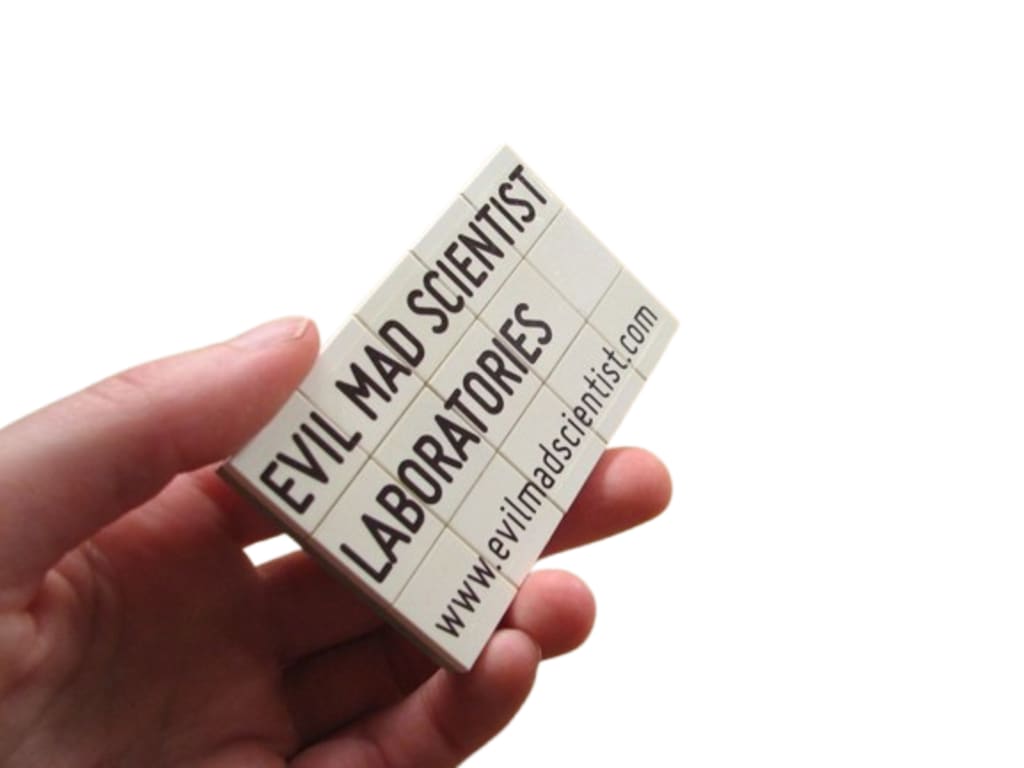
In the fast-paced and competitive world of small business, first impressions can make or break opportunities. A business card is often one of the first tangible representations of your brand that a potential client, partner, or investor encounters. While it may seem like a simple piece of paper, its impact is profound. A well-designed business card conveys professionalism, credibility, and attention to detail—qualities that are essential for establishing trust with your target audience.
When someone receives your business card, they are not just reading your contact information; they are evaluating your brand’s identity. Does the card look clean, modern, and intentional, or does it appear generic and hastily put together? A flimsy or poorly designed card may raise doubts about your business’s legitimacy or your commitment to quality. Conversely, a high-quality card made of durable material with a visually appealing design can communicate that your small business is serious, organized, and worthy of further engagement.
Moreover, a physical business card provides a lasting impression in a way that digital contact information cannot. While it’s easy to lose a phone number stored in a mobile device, a memorable card often finds a home in a wallet or on a desk, ready to be referenced later. This longevity adds value, especially in industries where follow-ups are essential. In short, your business card is a silent ambassador for your brand. By investing in a professional design and high-quality print, small business owners demonstrate their commitment to excellence from the outset.
Ultimately, your business card is not just a tool for exchanging contact information—it is a representation of your identity, values, and level of professionalism. In a world where small businesses constantly strive to differentiate themselves, a striking and well-crafted business card can serve as an essential differentiator that opens doors and builds lasting impressions.
Get Premium Business Cards Now
Branding and Visual Identity
Branding is one of the most powerful tools a small business can leverage to compete effectively in crowded markets. A well-designed business card acts as a microcosm of your brand, visually reinforcing your business’s identity each time it changes hands. Everything from color schemes and fonts to logos and taglines contributes to the cohesive image you want to project to the public.
Your business card should align closely with your other branding materials, such as your website, brochures, social media profiles, and packaging. When these elements are unified, they create a consistent visual identity that increases brand recognition. For example, if your business prides itself on being eco-conscious, you might choose recycled cardstock and earthy tones to reflect that value. Alternatively, a high-tech startup might opt for a sleek, minimalistic design with metallic accents to communicate innovation and forward-thinking.
Design elements like font choice, spacing, and the inclusion of your business logo play a significant role in how your brand is perceived. A playful, bold font might suit a creative agency, while a serif typeface could be more appropriate for a legal consultancy. Similarly, consistent use of brand colors can evoke specific emotions—blue often conveys trust and stability, while red can suggest passion and urgency.
A business card also provides space for taglines or slogans that encapsulate what your company stands for. Including these messages strengthens brand recall and reinforces your unique value proposition. By carrying a small but impactful piece of your brand identity, business cards serve as mobile billboards that can trigger recognition and interest long after a meeting has ended.
In sum, your business card is more than just a communication tool; it is a branding asset. Thoughtful design and consistent branding elements transform it from a functional necessity into a strategic marketing resource that can increase visibility, enhance credibility, and contribute to long-term brand loyalty.
Networking and Relationship Building
For small business owners, networking is essential to growth and long-term sustainability. In-person events such as trade shows, conferences, local meetups, or even casual social encounters provide valuable opportunities to meet potential customers, collaborators, and mentors. While digital networking has become increasingly popular, the value of a tangible business card in face-to-face interactions remains unparalleled.
When engaging in conversation, handing over a business card offers a natural and non-intrusive way to extend the connection beyond the immediate moment. Unlike exchanging phone numbers—which can feel overly personal or invasive in certain contexts—offering a business card is universally accepted as a professional gesture. It allows the other person to decide when and how to follow up, giving them agency while keeping your brand top of mind.
Additionally, business cards often act as conversation starters. A well-designed card can intrigue the recipient and prompt questions about your business, leading to more meaningful interactions. Elements like unique finishes, die-cut shapes, or creative artwork can make your card stand out in a pile and leave a lasting impression. People are more likely to remember a business whose card sparked their curiosity or admiration.
Moreover, business cards help in situations where internet access or digital devices are unavailable or impractical. In fast-paced environments, like networking events or crowded venues, pulling out a phone or typing contact details can be cumbersome and time-consuming. A quick exchange of cards allows both parties to stay engaged in the moment without the distractions of technology.
Following up after a networking event becomes easier when you have a stack of business cards to reference. Instead of relying on vague memory or hastily jotted notes, you have a physical reminder of who you met and what they do. For small businesses trying to cultivate personal relationships with clients or partners, this can make all the difference.
In essence, a business card supports the relationship-building process by creating a bridge between initial contact and future collaboration. It is an essential tool for small businesses looking to expand their reach and create lasting professional relationships in both formal and informal settings.
Marketing and Strategic Visibility
While digital marketing channels such as email, social media, and SEO are critical for any modern business, traditional print marketing still plays a vital role—especially for small businesses aiming to create a localized or personal connection. A business card is one of the most accessible and cost-effective tools in this category. Despite its small size, it can be leveraged in powerful ways to support your overall marketing strategy.
A business card can act as a physical reminder of your brand, keeping you in the mind of a potential customer even after the initial interaction. When someone keeps your card on their desk or in their wallet, it serves as a miniature billboard, reinforcing your presence over time. This passive marketing effect can result in delayed conversions—where a person might not need your product or service immediately, but your card ensures you're the first business they think of when the time comes.
You can also use business cards creatively to amplify their impact. For example, incorporating QR codes that link directly to your website, online portfolio, or promotional video can seamlessly connect the physical and digital worlds. Including discount codes or referral information can incentivize card recipients to make a purchase or spread the word. These techniques turn a static card into an interactive marketing device.
Furthermore, business cards can be distributed strategically in places your target audience frequents—cafés, gyms, community centers, and coworking spaces, to name a few. They are especially effective in local businesses and service industries where face-to-face interaction is common. Unlike digital ads that require constant investment and monitoring, business cards are a one-time cost that can generate recurring benefits with minimal maintenance.
For small businesses with limited marketing budgets, business cards offer a rare combination of affordability and longevity. A well-planned distribution strategy can extend your reach and attract new customers without the need for a massive advertising campaign. Whether handed out at a networking event or pinned to a local bulletin board, each card represents a potential conversion.
Business cards are not outdated relics but rather enduring marketing assets that, when used strategically, can contribute meaningfully to a small business’s visibility and growth. Their ability to bridge the physical and digital, personal and promotional, makes them indispensable in a well-rounded marketing toolkit.
Get Premium Business Cards Now
Trust, Authority, and Competitive Differentiation
In crowded marketplaces where small businesses compete against larger corporations and numerous local competitors, establishing trust and authority is paramount. One of the simplest yet most effective ways to communicate these qualities is through the design and presentation of a business card. While it may appear insignificant at first glance, the subtle psychological signals a card sends can significantly affect how potential clients and partners perceive your business.
An impressive business card suggests that you care about your professional image, which in turn implies that you care about the quality of your work. When someone sees that you have invested time and resources into creating a card that reflects your brand’s values and professionalism, it instills confidence. It communicates that you take your business seriously and are likely to deliver services or products with the same attention to detail.
Moreover, in sectors where credibility and trustworthiness are particularly critical—such as finance, healthcare, legal services, or consulting—a refined business card can offer reassurance. Clients often equate professionalism in presentation with competence in service. A polished, informative, and attractive business card may tip the scales in your favor when a prospect is choosing between two similar service providers.
Business cards also offer a way to differentiate yourself from competitors. While many small businesses rely exclusively on digital marketing, those that combine it with a strong print presence often stand out. A unique or luxurious card—whether through texture, typography, or creative layout—creates a memorable experience for the recipient. That tactile, personal interaction can create a stronger emotional connection than a fleeting digital ad ever could.
Finally, having a business card on hand signals that you are prepared and accessible. It shows that you expect and welcome new business opportunities, which in itself is a form of authority. Being caught without a business card in a professional setting can reflect poorly on your preparedness, possibly leading to missed opportunities.
In short, a business card plays a vital role in establishing credibility, trust, and authority while helping to distinguish your small business in a competitive environment. Its presence not only elevates your professional image but also reassures clients and partners that they are working with a competent, detail-oriented organization.
About the Creator
Paul Claybrook MS MBA
Successful affiliate marketer focused on running, health, and wellness. I create engaging content that informs and inspires my audience, driving conversions through strategic partnerships and a commitment to promoting top-quality products.
Keep reading
More stories from Paul Claybrook MS MBA and writers in Motivation and other communities.
Improving Your Small Business: Strategic Considerations for Sustainable Growth
Running a small business involves constant evaluation and adaptation. While launching a company takes courage and effort, maintaining and growing it requires ongoing strategic thinking. Many small business owners reach a plateau where initial growth slows, and profits begin to stagnate. At this stage, taking a step back to assess the health of the business becomes essential. This article explores several key areas to examine when trying to improve a small business, including understanding your customer base, targeting new markets, controlling costs, streamlining operations, enhancing marketing efforts, and fostering innovation. Each of these components plays a vital role in building a more efficient and profitable company.
By Paul Claybrook MS MBA9 months ago in Motivation
You are not a failure
“ You look sad, David, what’s going on?” the old man noticed, as David pulled out a chair when he entered the room. “ When I look at my life, I’m not happy. Nothing is working. I’m forty-three. I have no house, no money, no kids. I make minimum wage at my job to survive. Not to mention the credit card debts and some health issues. I think that I’m a failure,” David said, almost in tears.
By Michel Tetchi 6 days ago in Motivation



Comments (1)
Hello, just wanna let you know that according to Vocal's Community Guidelines, we have to choose the AI-Generated tag before publishing when we use AI 😊