Paul Claybrook MS MBA
Bio
Successful affiliate marketer focused on running, health, and wellness. I create engaging content that informs and inspires my audience, driving conversions through strategic partnerships and a commitment to promoting top-quality products.
Stories (143)
Filter by community
High Protein Intake for Weight Loss
The global obesity epidemic has prompted extensive research into effective dietary interventions for weight management. Among various macronutrient manipulation strategies, high-protein diets have emerged as particularly promising, demonstrating superior outcomes in numerous clinical trials. This article examines the scientific rationale, practical implementation, and evidence supporting high-protein dietary approaches for weight loss, providing a comprehensive analysis for healthcare professionals and informed consumers.
By Paul Claybrook MS MBA2 months ago in Longevity
The Balanced Plate
In an era where plant-based eating captivates the zeitgeist—Google Trends revealing a 600% surge in "vegan recipes" since 2015—proponents herald it as a panacea for health, ethics, and ecology. Yet, poignant anecdotes abound: elite athletes faltering from fatigue, vegans hospitalized for B12 anemias, underscoring a sobering reality. While plants lavishly bestow fiber, vitamins, and antioxidants, the human proteome demands more; strict adherence invites insidious deficits in complete proteins and bioavailable micronutrients, as chronicled in cohorts like EPIC-Oxford. This article demystifies the discourse: the optimal diet pivots not on puritanical exclusion but a plant-heavy foundation—80% vegetables, fruits, legumes, grains—fortified by 20% animal products, emulating Mediterranean and Blue Zones longevity blueprints.
By Paul Claybrook MS MBA2 months ago in Longevity
Highly Processed Foods
The modern dietary landscape has undergone a radical transformation over the last half-century, shifting away from culinary traditions rooted in whole ingredients toward a globalized system dominated by industrial formulations. This evolution is defined by the rise of ultra-processed foods (UPFs)—products that are no longer merely "cooked" but are instead "assembled" through sophisticated chemical engineering. While convenience and affordability have made these foods staples of the contemporary pantry, their ubiquity comes at a significant biological cost. Unlike the whole foods our ancestors consumed, UPFs are designed to be hyper-palatable, shelf-stable, and effortlessly ingestible, frequently bypassing the evolutionary mechanisms that regulate our appetite and metabolic health. As rates of chronic illness climb globally, it is becoming increasingly clear that the crisis of modern health is not just about the presence of too many calories, but about the fundamental nature of the food matrix itself. Understanding the science of ultra-processing is therefore essential for navigating a food environment that often prioritizes corporate efficiency over human physiology.
By Paul Claybrook MS MBA2 months ago in Longevity
The Health Benefits of Spirulina
Spirulina, a type of cyanobacteria, has been consumed for centuries due to its numerous health benefits. This green superfood is rich in nutrients, antioxidants, and other bioactive compounds that have been shown to have a positive impact on overall health and wellbeing. As a dietary supplement, spirulina has gained significant attention in recent years, with a growing body of research supporting its potential health benefits. This essay will provide a comprehensive analysis of the health benefits of spirulina, examining the scientific evidence and discussing the potential mechanisms underlying its effects.
By Paul Claybrook MS MBA2 months ago in Longevity
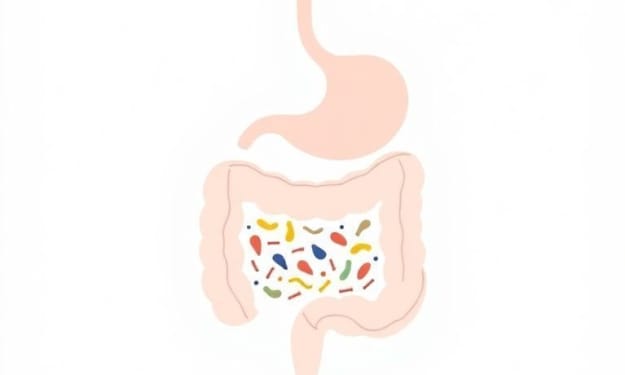
Foods That Heal the Gut
The human gastrointestinal system represents one of the most complex and consequential organ systems in the body, yet it remains profoundly underappreciated in mainstream discussions of health and wellness. Spanning approximately thirty feet from mouth to anus and encompassing a surface area roughly equivalent to a tennis court when fully unfurled, the digestive tract serves as far more than a simple processing facility for food. It functions as a critical interface between the external environment and the internal body, a sophisticated immune command center, a significant producer of neurotransmitters, and the home of trillions of microorganisms whose collective influence on human health scientists are only beginning to understand.
By Paul Claybrook MS MBA2 months ago in Longevity
The Myth of January First
Every December, as the calendar year draws to a close, millions of people around the world engage in a time-honored tradition: the crafting of New Year's resolutions. Gyms overflow with new members in January, health food stores see spikes in sales, and social media fills with proclamations of transformation and change. Yet by February, these ambitious declarations have largely faded into distant memories, replaced by the familiar rhythms of old habits and comfortable routines. Studies consistently show that approximately eighty percent of New Year's resolutions fail by the second week of February, with fitness and weight loss goals ranking among the most commonly abandoned objectives.
By Paul Claybrook MS MBA2 months ago in Longevity
The Enduring Impact of Glucagon-Like Peptide-1 Receptor Agonists
The landscape of metabolic disease management has undergone a profound transformation with the advent of a novel class of pharmacotherapies: the glucagon-like peptide-1 (GLP-1) receptor agonists. These agents, inspired by the body's own intricate endocrine system, have rapidly ascended to prominence in the treatment of type 2 diabetes mellitus and, more recently, obesity, offering a multifaceted approach to conditions that have long presented significant therapeutic challenges. Their mechanism of action extends beyond mere glycemic control, encompassing broad metabolic, cardiovascular, and renal benefits, thereby addressing the complex pathophysiology and often devastating complications associated with these chronic conditions. This article will delve into the fundamental nature of GLP-1 and its therapeutic analogues, meticulously detailing their biochemical mechanisms, evaluating their extensive efficacy in clinical practice, and scrutinizing their comprehensive side effect profiles, with particular emphasis on potential long-term effects that may manifest subtly or in ways not immediately apparent to the patient.
By Paul Claybrook MS MBA2 months ago in Longevity
Why Your Leisurely Walk Isn’t Saving Your Life (and What Actually Might)
By: Paul Claybrook, MS, MBA Modern fitness culture has perfected a soothing narrative: anything counts. A slow walk counts. Gardening counts. Standing counts (sometimes). According to this worldview, merely existing in an upright position while occasionally shifting your weight is enough to place you firmly on the path to health, vitality, and longevity. Strap a wearable to your wrist, accumulate a few thousand steps while scrolling your phone, and voilà—you are now “active.”
By Paul Claybrook MS MBA2 months ago in Longevity
The Essential Guide to Gut Health
By: Paul Claybrook, MS, MBA Gut health has emerged as a central topic in modern health research due to its far-reaching influence on nearly every system in the body. The gastrointestinal tract is not only responsible for digestion and nutrient absorption, but also serves as home to the gut microbiome—a complex community of microorganisms that plays a key role in immune regulation, metabolic function, and even mental well-being. Increasing evidence suggests that imbalances in the gut microbiome are linked to a wide range of health concerns, including chronic inflammation, digestive disorders, metabolic disease, and mood disturbances. As a result, maintaining a healthy gut is increasingly recognized as a foundational component of overall wellness rather than a narrow digestive concern. Gut health is shaped by daily choices, particularly those related to diet, physical activity, supplementation, and lifestyle habits such as sleep and stress management. Understanding how these factors interact provides individuals with practical tools for supporting digestive function and long-term health. This article explores the science behind gut health and outlines evidence-based strategies for nurturing the gut microbiome through sustainable, everyday practices.
By Paul Claybrook MS MBA2 months ago in Longevity
5-MTHF vs. Folic Acid
In the vast and often confusing world of nutrition and supplementation, few nutrients have sparked as much debate, research, and paradigm shifts in recent years as Vitamin B9. For decades, the public has been told to take "Folic Acid"—it is fortified in our breads, cereals, and grains, and it is a staple in every prenatal vitamin on the pharmacy shelf. However, emerging science has revealed that for a significant portion of the population, folic acid is not the solution; in fact, it may be a problem.
By Paul Claybrook MS MBA3 months ago in Longevity
🏃♀️ The Minimalist's Guide to Maximum Health
By: Paul Claybrook, MS, MBA In a world saturated with complex diets, high-tech fitness trackers, and endless workout routines, the pursuit of health and a long, happy life can feel overwhelming. People spend countless hours researching the "best" path, only to suffer from analysis paralysis or burnout from unsustainable complexity.
By Paul Claybrook MS MBA3 months ago in Longevity
The Micro-Empire
The modern narrative of entrepreneurship often fetishizes the "unicorn"—the belief that starting a business requires venture capital, proprietary technology, or a revolutionary invention. This myth acts as a psychological barrier, convincing capable individuals that they lack the resources to achieve financial autonomy. In reality, the most accessible path to wealth is not the high-risk tech startup, but the Micro-Business: a lean, high-margin service model built entirely on your existing human capital.
By Paul Claybrook MS MBA3 months ago in Humans