
Improving Your Small Business: Strategic Considerations for Sustainable Growth
By: Paul Claybrook, MS, MBA

Running a small business involves constant evaluation and adaptation. While launching a company takes courage and effort, maintaining and growing it requires ongoing strategic thinking. Many small business owners reach a plateau where initial growth slows, and profits begin to stagnate. At this stage, taking a step back to assess the health of the business becomes essential. This article explores several key areas to examine when trying to improve a small business, including understanding your customer base, targeting new markets, controlling costs, streamlining operations, enhancing marketing efforts, and fostering innovation. Each of these components plays a vital role in building a more efficient and profitable company.
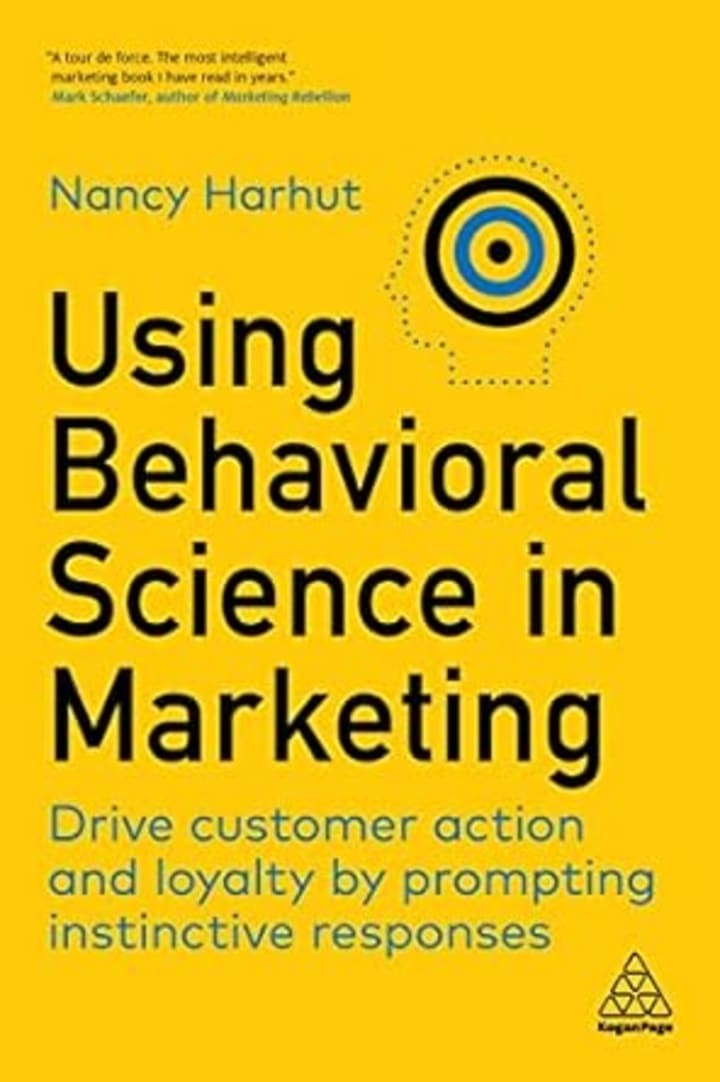
Find More Customers With Behavioral Science
Understanding and Analyzing Your Current Customer Base
Before making any significant changes, business owners must take a close look at their existing customers. Understanding who they are, why they buy, and how they engage with your business can reveal a great deal about what is already working—and where there is room for improvement. A thorough customer analysis begins with demographic data: age, gender, income level, location, and occupation. But it should not stop there. Behavioral data, such as purchase frequency, average order value, and product preferences, can be even more revealing. Collecting this information through sales records, customer surveys, and website analytics allows businesses to paint a clearer picture of their ideal customer.
Once patterns emerge, a business can segment its audience for more targeted marketing. For example, if you run a bakery and notice that most of your sales come from working professionals between 25 and 40 years old, you might tailor new offerings to better meet their needs—like quick breakfast options or online ordering for convenience. You may also discover under-served customer groups. Perhaps older adults or stay-at-home parents make up a small but loyal part of your clientele. These insights can lead to low-cost, high-impact campaigns aimed at deepening relationships with existing customers or expanding into adjacent market segments.
Understanding your customers also helps you refine your value proposition. Why do they choose you over competitors? Is it price, quality, customer service, convenience, or brand identity? By identifying the strongest aspects of your offering, you can double down on what sets you apart and improve or eliminate elements that do not resonate. Investing in customer relationships through loyalty programs, personalized experiences, or better service can improve retention rates and boost long-term revenue. Ultimately, knowing your audience is the foundation of any growth strategy—it ensures that all other efforts align with real-world demand.
Targeting Similar Demographics and Expanding Market Reach
Once a business fully understands its existing customer base, the next step is to look outward. Who else might be interested in your products or services? Targeting new audiences that share characteristics with your current clientele can be one of the most cost-effective ways to grow. Instead of starting from scratch, you build on what is already proven to work. For instance, if your business is successful with young urban professionals, you might target similar individuals in a nearby city, or develop complementary products that appeal to this group in different ways.
Market expansion does not always require broadening your demographic reach. Sometimes, horizontal growth within your existing niche can yield strong results. If you sell eco-friendly home products primarily to environmentally conscious homeowners, you might add a new line of biodegradable cleaning products or offer workshops on sustainable living. In this way, you're providing more value to the same type of customer, increasing their lifetime value to your business.
Digital tools make targeting new customers easier than ever. Social media platforms allow for hyper-specific advertising based on interests, behaviors, and demographics. Email marketing platforms can segment lists for customized messages, and SEO (Search Engine Optimization) can be fine-tuned to attract web visitors with specific search intent. Additionally, partnerships with complementary businesses can open up new markets. For example, a yoga studio could collaborate with a local health food café to cross-promote their services to health-conscious individuals.
However, expanding your market should be approached cautiously. Stretching your brand too far can dilute your identity and confuse customers. Any new demographic or location you pursue should still align with your brand values and strengths. Market research—including competitor analysis and customer feedback—can help test the waters before a full-scale launch. The goal is to grow deliberately, building on success rather than chasing every opportunity that presents itself. Thoughtful expansion increases the chances of sustainable success without sacrificing what makes your small business unique.
Reviewing and Reducing Operational Costs
One of the most immediate and impactful ways to improve a small business is to revisit operational costs. Over time, businesses often accumulate expenses that are no longer necessary or that can be significantly reduced with minimal effort. Conducting a comprehensive review of your expenses—monthly, quarterly, and annually—can uncover hidden inefficiencies and opportunities for savings. This process should cover everything from rent and utilities to software subscriptions and payroll.
Start by categorizing expenses into essential and non-essential. Essential costs are those required to keep the business running, like inventory, employee wages, and facility costs. Non-essential expenses might include premium software, redundant services, or excessive marketing spend. Cutting or downgrading non-essential items can immediately improve cash flow. For example, if you are using a costly CRM platform but only take advantage of its basic features, switching to a more affordable option may be a smart move.
Suppliers and service providers should also be reviewed regularly. It is not uncommon for small businesses to remain loyal to vendors without renegotiating terms, even as better rates become available elsewhere. Loyalty is valuable, but so is profitability. Shopping around, comparing prices, and negotiating better terms can yield significant savings. Additionally, consider forming purchasing cooperatives with other small businesses in your area to increase buying power and get better deals on bulk purchases.
Another area worth examining is labor. While it’s important to retain good employees, labor costs can creep upward over time through overtime, inefficient scheduling, or misaligned roles. Implementing more efficient scheduling software, cross-training employees, or outsourcing specific tasks (like bookkeeping or social media management) can help optimize staffing and reduce unnecessary costs.
Ultimately, the goal isn’t just to cut costs, but to do so in a way that doesn’t damage the quality of your product or service. Any reduction in expenses should maintain or enhance value to the customer. When done strategically, cost control creates a leaner, more agile business capable of adapting to market changes and reinvesting savings into growth initiatives.
Enhancing Marketing Efforts with Focus and Consistency
Marketing is often one of the most misunderstood areas of small business management. Many entrepreneurs rely on sporadic or generic campaigns that fail to deliver measurable results. Improving your marketing means being more intentional—crafting a message that resonates with your target audience, choosing the right channels to reach them, and measuring outcomes so you can refine your approach over time.
Start with your brand identity. Is it clear, consistent, and compelling? Your logo, colors, messaging, and tone should all align with the expectations and preferences of your audience. A small business selling handmade goods might benefit from a warm, personal tone, while a tech service company may require a more professional and data-driven image. Every piece of content—whether it’s a social media post, blog article, email newsletter, or website banner—should reinforce this identity.
Next, assess your marketing channels. Are you spreading yourself too thin across platforms that don’t drive results? It’s better to focus on two or three high-performing channels than to maintain a weak presence across many. If your customers respond well to Facebook and email, concentrate your energy there. If SEO drives more conversions than paid ads, invest more in content and keyword optimization.
One of the most effective but underutilized tactics is content marketing. Providing valuable, relevant content can build trust and establish your authority in your niche. A small gardening business, for instance, might create videos or blog posts on seasonal planting tips, then use that content to drive traffic and capture email leads. Over time, this strategy can outperform traditional advertising by building long-term relationships.
Consistency is key. Many businesses start strong with marketing, only to taper off when things get busy. This stop-and-start pattern prevents campaigns from gaining traction. Use a content calendar, automation tools, and clear goals to maintain a steady flow of messaging. And don’t forget to track your results—using metrics like engagement rates, conversion rates, and customer acquisition costs—to continually improve your strategy. Strong, consistent marketing not only attracts new customers but reinforces your value among existing ones.
Fostering Innovation and Embracing Change
Stagnation is the enemy of small business success. While core products and services may remain consistent, the best businesses continually find new ways to serve customers, improve processes, and differentiate themselves from competitors. Innovation doesn’t always mean inventing something groundbreaking—it can be as simple as adopting a new technology, adjusting a business model, or rethinking how you deliver value.
One effective approach is to encourage a culture of feedback and experimentation. Solicit suggestions from employees, customers, and even vendors. Employees on the front lines often have unique insights into customer behavior and process inefficiencies. Creating channels for this feedback—like suggestion boxes, weekly meetings, or anonymous surveys—can spark ideas that improve the business in unexpected ways.
Technology also offers countless opportunities for innovation. From inventory management and point-of-sale systems to customer relationship management (CRM) and AI-based chatbots, the right tools can dramatically improve efficiency and customer satisfaction. For example, a small retailer could use AI-driven analytics to predict inventory needs and reduce waste. Or a consulting business might use automated scheduling tools to save time and improve client service.
Another powerful area of innovation is customer experience. How easy is it for someone to buy from you, ask a question, or get support? Streamlining these interactions through user-friendly websites, live chat features, or clear communication policies can set your business apart. Even small touches—like personalized thank-you notes or follow-up emails—can make a big impression and foster loyalty.
However, innovation must be purposeful. Don’t adopt new tools or practices just because they’re trendy. Align any changes with your business goals and the needs of your target audience. Pilot new initiatives on a small scale first, evaluate their impact, and then decide whether to expand. Embracing change with a strategic mindset allows your business to remain relevant, resilient, and ready for the future.
Find More Customers With Behavioral Science
Conclusion: Continuous Improvement as a Competitive Advantage
Improving a small business is not a one-time effort but a continual process of reflection, adaptation, and growth. By deeply understanding your customers, targeting similar demographics, managing costs wisely, strengthening your marketing efforts, and embracing innovation, you position your business for long-term success. Each step contributes to building a more resilient and profitable company, capable of navigating changes in the marketplace and staying ahead of the competition. Business owners who make continuous improvement part of their culture—rather than a reaction to crisis—ultimately create more value for themselves, their customers, and their communities.
About the Creator
Paul Claybrook MS MBA
Successful affiliate marketer focused on running, health, and wellness. I create engaging content that informs and inspires my audience, driving conversions through strategic partnerships and a commitment to promoting top-quality products.
Keep reading
More stories from Paul Claybrook MS MBA and writers in Motivation and other communities.
How to Start a Mobile Car Detailing Business and Make Even More Money with Product Reviews
Mobile car detailing is when you clean, polish, and protect a car’s interior and exterior, but instead of customers coming to you, you go to them. You bring your tools, cleaning products, and skills to people’s homes or workplaces. This service is very popular because most people are busy and don’t have time to clean their cars properly. A regular car wash just sprays water on a car, but detailing means cleaning every little part, from the tires to the dashboard.
By Paul Claybrook MS MBA11 months ago in Motivation


Comments
There are no comments for this story
Be the first to respond and start the conversation.