
The Impact of Social Media on Self-Esteem
How to Use It in a Healthy Way and Embrace Your True Self

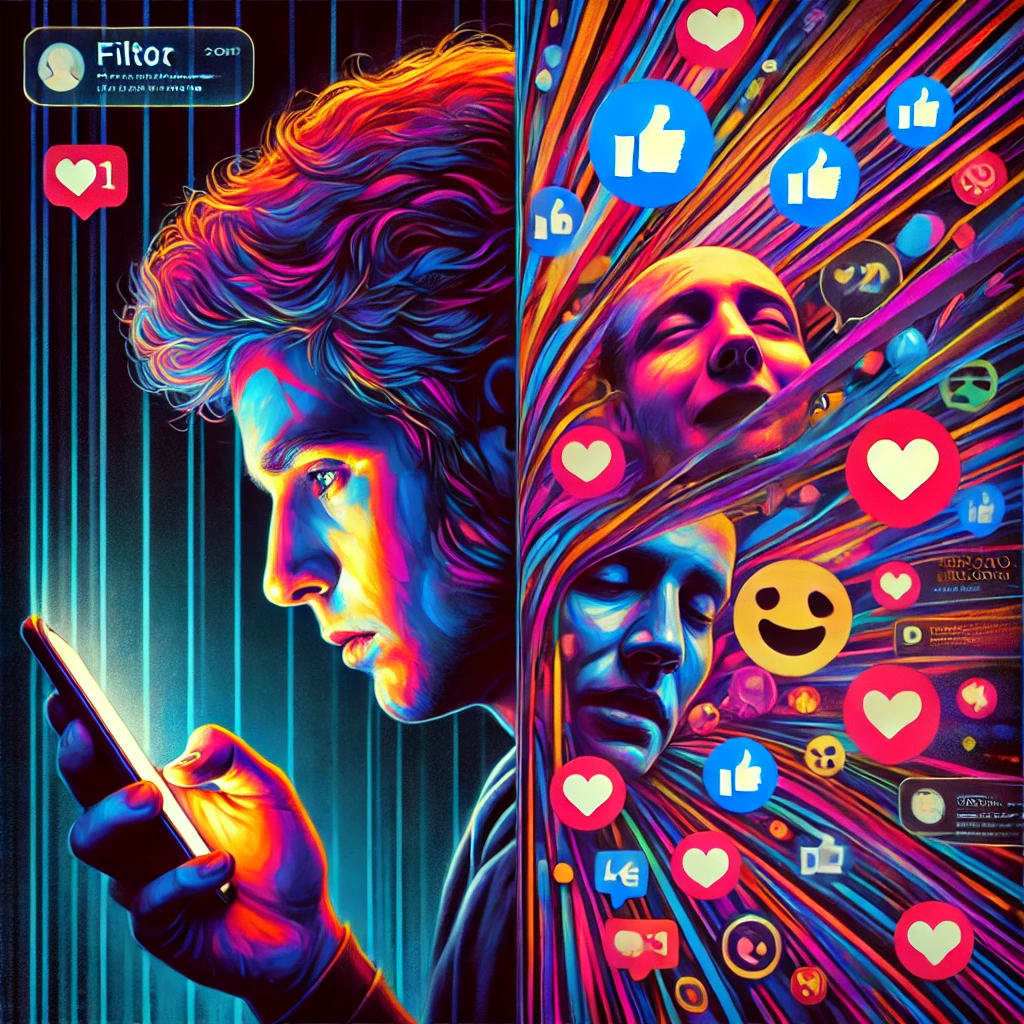
In today’s digital age, social media is an integral part of daily life. Platforms like Instagram, Facebook, and TikTok connect us with friends, family, and even strangers from around the world. However, as much as social media has brought people closer, it has also become a breeding ground for unrealistic comparisons and self-esteem issues. While social media can be a source of inspiration and motivation, it can also negatively affect the way we perceive ourselves. The constant exposure to seemingly perfect lives and achievements can create feelings of inadequacy and self-doubt, making it essential to learn how to navigate these platforms in a healthy way.
One of the most significant ways social media impacts self-esteem is through comparison. It’s easy to scroll through a feed filled with carefully curated images, vacation photos, new purchases, and career milestones. These highlight reels often portray only the best aspects of someone’s life, leaving out the struggles, failures, and imperfections. When we compare our real-life experiences to these polished snapshots, it’s easy to feel like we’re falling short or not measuring up. This sense of inadequacy can lead to frustration, anxiety, and a diminished sense of self-worth.
Moreover, social media platforms thrive on external validation. The constant need for likes, shares, and comments can create a false sense of value based on how others perceive us. We may find ourselves becoming overly focused on how many likes our posts receive or how many followers we have. This validation cycle can become addictive, as we tie our self-worth to the approval of others. When our posts don’t receive the attention we expect, it can lead to feelings of rejection or self-doubt. Over time, this dependency on external approval can erode our confidence and make us more vulnerable to the negative effects of social media.
In addition to comparison and validation, social media can also create a distorted sense of reality. As users, we often present an idealized version of ourselves online, carefully selecting what to share and what to leave out. This practice of filtering and editing photos, crafting perfect captions, and presenting a “perfect” lifestyle can make it difficult to distinguish between what is real and what is fabricated. It’s easy to forget that what we see online is often a highly edited and curated version of reality, designed to attract attention and engagement. This disconnect between the online world and real life can further exacerbate feelings of inadequacy and make it harder to accept ourselves as we are.
To break free from the negative impact of social media, it’s important to establish healthy boundaries and develop a mindful approach to its use. The first step is to recognize that social media is not a reflection of reality. It’s essential to remind ourselves that the images we see online are often staged or filtered, and they don’t represent the full picture of someone’s life. Instead of comparing ourselves to others, we should focus on our own unique journey and embrace our personal achievements, no matter how small they may seem.
Another way to protect your self-esteem is by curating your social media feed. Follow accounts that promote positivity, authenticity, and self-love. Surround yourself with content that uplifts and inspires you, rather than accounts that perpetuate unrealistic beauty standards or lifestyles. Take time to unfollow or mute accounts that make you feel inferior or that contribute to negative self-talk. Creating a social media environment that reflects your values can help shift your perspective and promote a healthier relationship with these platforms.
Limiting screen time is also an effective way to maintain a balanced approach to social media. Spending too much time scrolling through feeds can lead to unhealthy comparisons and a diminished sense of self-worth. Set time limits on your social media usage or designate certain hours of the day to disconnect from your devices. By creating more space for offline activities, you can reconnect with your real-life priorities and strengthen your sense of self outside of the digital world.
It’s also important to practice self-compassion and gratitude. When you feel the urge to compare yourself to others, take a step back and remind yourself of your strengths, accomplishments, and unique qualities. Practicing gratitude can help shift your focus away from what you lack and toward what you already have. This mindset shift can foster a greater sense of contentment and self-acceptance.
In conclusion, while social media can be a powerful tool for connection and self-expression, it’s crucial to use it mindfully to protect your self-esteem. By recognizing the impact of comparison, validation, and distorted reality, you can take steps to create a healthier relationship with these platforms. Remember, your worth is not defined by likes, followers, or someone else’s curated life. True self-esteem comes from within and is built on self-acceptance, gratitude, and the understanding that you are enough, just as you are. By using social media in a balanced and intentional way, you can embrace your true self and build confidence, regardless of what others are posting online.
About the Creator
Keep reading
More stories from Regiane Felix Severino Maruche and writers in Motivation and other communities.
Why Comparing Yourself Is a Destructive Cycle and How to Break It
Comparison is a common habit in many people’s lives, especially in today’s world dominated by social media. We constantly find ourselves analyzing other people’s lives and wondering why we don’t have the same success, appearance, or lifestyle. While it may seem natural, comparing yourself to others can be extremely harmful, creating a destructive cycle of dissatisfaction and low self-esteem.
By Regiane Felix Severino Marucheabout a year ago in Motivation
One Hard Thing
Stop me if you’ve heard this one before: You have the number, you know your schedule- you’ve even picked out the perfect day and time to make this appointment. Shoot, you’ve even picked out alternative days and times just in case their schedules can’t accommodate you!
By Taylor Rigsby10 days ago in Motivation
The Devil's Triangle
The sails ruffled in the breeze as we cruised along. The Sea Breeze was a mid-size catamaran that sailed out of Royal Naval Dockyard in Bermuda. We had booked this trip weeks in advance and were now looking at our Captain, Spike and two boat hands. Paddy and Wilson seemed like nice guys, joking around with the passengers and telling us some stories about Bermuda that only locals would know. Their island accents sounded almost British but they were pleasant to listen to.
By Barbara Gode Wilesa day ago in Fiction


Comments
There are no comments for this story
Be the first to respond and start the conversation.