
Why Comparing Yourself Is a Destructive Cycle and How to Break It
Why Comparing Yourself to Others Is Harmful and Practical Steps to Embrace Your Uniqueness

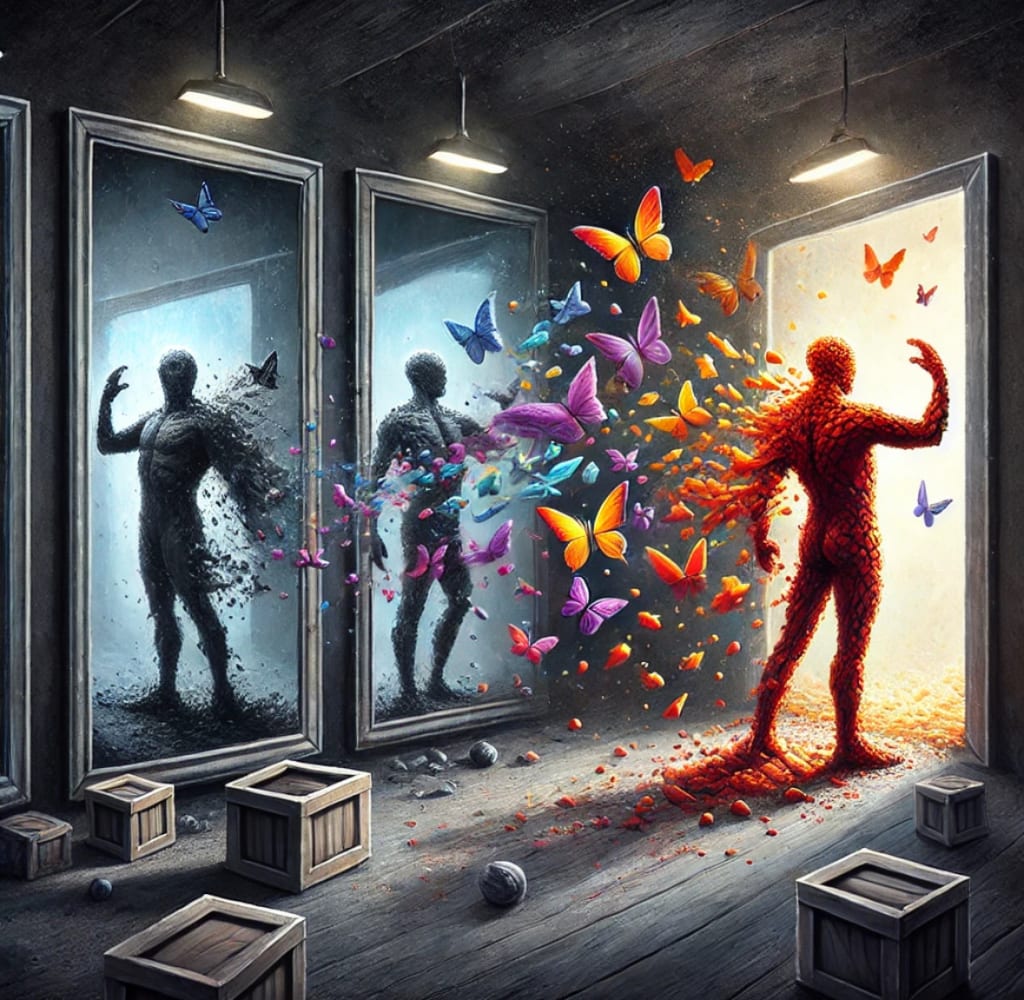
Comparison is a common habit in many people’s lives, especially in today’s world dominated by social media. We constantly find ourselves analyzing other people’s lives and wondering why we don’t have the same success, appearance, or lifestyle. While it may seem natural, comparing yourself to others can be extremely harmful, creating a destructive cycle of dissatisfaction and low self-esteem.
Why Is Comparing Yourself a Destructive Cycle?
Comparing yourself to others might seem harmless, but it is a habit that silently harms your mental and emotional health. Here are the main reasons:
1. You Only See the “Best Version” of Others
Social media often shows only the highlights of people’s lives. Comparing yourself to these idealized versions is unfair because you are measuring your real-life struggles against a curated, edited glimpse of someone else’s life.
2. It Reinforces a Scarcity Mindset
When you compare yourself to others, you often believe that there’s a limited amount of success, beauty, or happiness to go around. This creates a constant sense of competition, as if someone else’s success means your failure.
3. It Devalues Your Achievements
Focusing on what others have makes you overlook your own accomplishments. This feeds into the feeling that you’ll never be good enough, no matter what you achieve.
How to Stop Comparing Yourself to Others
Now that you understand the impact of comparison, it’s time to learn how to break the destructive cycle of comparison and start valuing yourself. Here are some practical strategies to help:
1. Accept That Your Journey Is Unique
Everyone has their own story, challenges, and accomplishments. Comparing your life to someone else’s is unfair because circumstances are never the same. Focus on your own progress instead of how fast others are moving.
2. Practice Gratitude Daily
Gratitude is one of the most effective ways to combat comparison. Every day, list three things you’re grateful for. This shifts your focus to what you already have instead of what you think is "missing."
3. Turn Comparison Into Inspiration
Instead of feeling inferior, use others’ achievements as motivation. Ask yourself, “What can I learn from this person?” or “How can I apply this positively to my own life?”
4. Limit Social Media Consumption
Social media is a significant trigger for comparison. If you notice it negatively affects you, reduce your screen time or follow only accounts that genuinely inspire and promote positivity.
5. Invest in Self-Discovery
The more you understand your strengths, values, and goals, the less you’ll feel the need to compare yourself. Reflect on what makes you happy and write down your qualities. This strengthens your identity and boosts your self-esteem.
6. Celebrate Small Wins
Learn to appreciate every step of your journey. Recognize and celebrate even the small progress you make, as it all contributes to something bigger.
Benefits of Stopping Comparison
When you learn how to stop comparing yourself, you’ll notice significant improvements in various areas of your life:
- Increased self-esteem.
- Reduced anxiety and stress.
- Greater focus on your own goals.
- Healthier relationships built on admiration, not competition.
Conclusion
Comparing yourself is a habit that may seem hard to avoid, but with effort and intention, you can break this destructive cycle. Valuing your individuality is the first step to building a lighter, more fulfilling life.
Remember: you don’t have to follow anyone else’s path to have value. The most important thing is to focus on your own growth and find ways to celebrate who you truly are.
By applying these tips, you’ll be closer to living a life based on self-confidence and personal satisfaction, rather than constant comparisons. After all, the only person you should compare yourself to is the person you were yesterday.
About the Creator
Keep reading
More stories from Regiane Felix Severino Maruche and writers in Motivation and other communities.
How I Changed My Life in a Year with Small Daily Habits
That’s exactly how I felt a year ago. I’d wake up tired, go to bed unsatisfied, and spend my days wondering, “Is this it? Is this what life’s supposed to be?” One day, I decided I couldn’t keep living like that. I didn’t flip my life upside down overnight; instead, I made small, almost insignificant changes to my daily routine. And now, looking back, those tiny habits added up to something extraordinary.
By Regiane Felix Severino Marucheabout a year ago in Motivation
One Hard Thing
Stop me if you’ve heard this one before: You have the number, you know your schedule- you’ve even picked out the perfect day and time to make this appointment. Shoot, you’ve even picked out alternative days and times just in case their schedules can’t accommodate you!
By Taylor Rigsby10 days ago in Motivation
The Last Light in Apartment 309
. Every night, in a tall grey building on the edge of Rotterdam, the same thing happened. Most windows went dark by ten. Families slept. Students streamed shows. Couples argued softly behind curtains. But in Apartment 309, a single lamp glowed beside a small kitchen table covered with notebooks, coffee cups, and a secondhand laptop that hummed like it was tired of working.
By Iazaz hussainabout 9 hours ago in Motivation


Comments
There are no comments for this story
Be the first to respond and start the conversation.