
The Impact of Positive Thinking on Your Life
How a Positive Mindset Can Improve Your Health, Relationships, and Success Every Day

Introduction
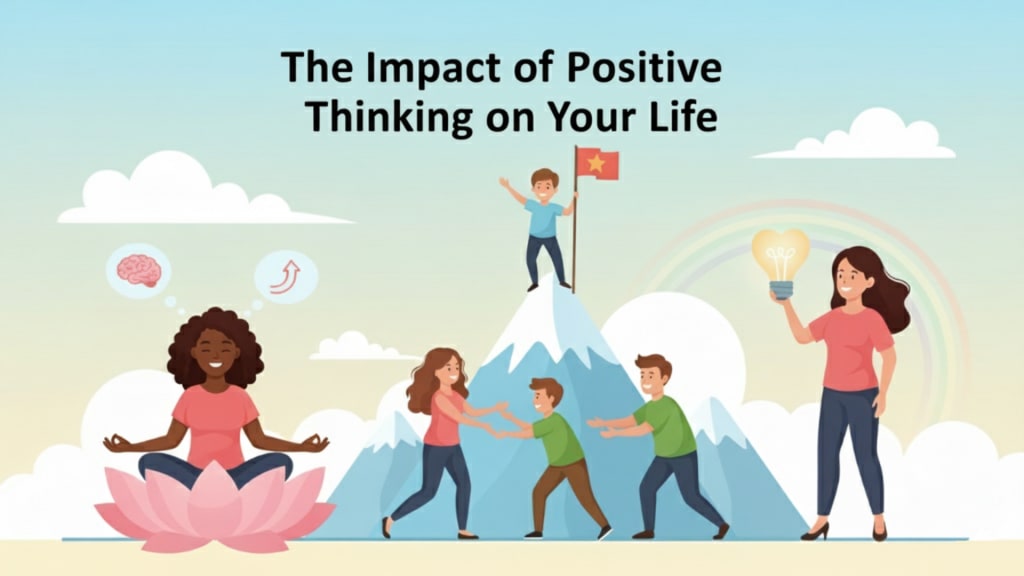
Have you ever noticed that some people always seem happy, calm, and successful, even when life is difficult or full of problems? It might seem like they have something special, but one of the biggest reasons is positive thinking. The way we think affects many parts of our life. It can change how healthy we are, how well we work and live with others, and even how successful we become in school, work, or personal goals.
Positive thinking does not mean that you ignore problems or act like everything is perfect. It does not mean pretending that nothing is wrong. Instead, positive thinking means looking for solutions instead of only seeing problems. It means noticing opportunities even in hard times and believing that you can solve problems and handle challenges.
In this article, we will talk about what positive thinking really is, how it can affect your daily life, and simple ways to practice it every day. By the end, you will understand how thinking positively can help you feel happier, make better choices, and improve your life in many ways.
1. What Is Positive Thinking?
a. Positive thinking means looking at life in a hopeful and optimistic way. It is about focusing on the good things in every situation, instead of only seeing the bad. Positive thinking helps us see challenges as chances to learn and grow, not just as problems or obstacles. People who think positively do not let problems or failures stop them. They know that making mistakes is normal and part of learning, and they keep trying and moving forward.
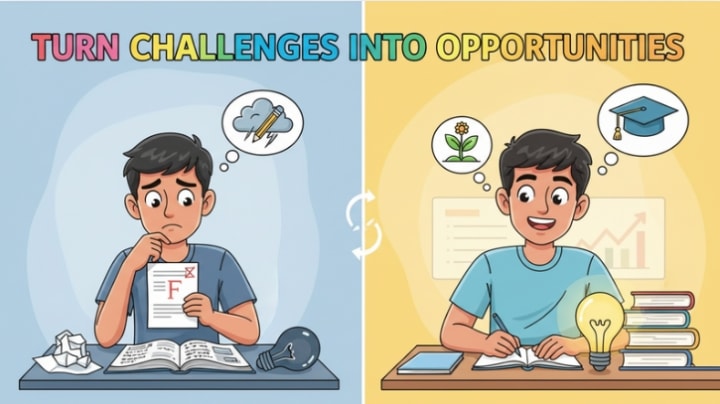
b. For example, imagine you fail an exam. A negative thinker might feel sad and think, “I am useless, I cannot do anything right.” But a positive thinker would think, “I did not pass this time, but I can study harder and do better next time.” This way, positive thinkers use challenges as lessons to improve themselves instead of feeling defeated.
c. Positive thinking does not mean you have to be happy all the time. Life has ups and downs, and it is okay to feel sad or frustrated sometimes. The key is to keep hope, stay confident, and focus on finding solutions, even when situations are hard. Positive thinking helps you stay strong and face life’s challenges with courage and a clear mind.
2. The Science Behind Positive Thinking
a. Positive thinking is not just about feeling happy—it can actually affect your brain and body in real ways. Scientists have found that people who think positively often have lower stress, better mental health, and even stronger physical health. Let’s look at some of the benefits:
- Reduces Stress: Positive thinking helps you deal with stress more easily. When you focus on finding solutions instead of only worrying about problems, your mind stays calmer and more relaxed.
- Improves Mental Health: People who are optimistic are less likely to feel anxious or depressed. Positive thoughts give a sense of hope and make you feel more in control of your life, even when things are difficult.
- Boosts Physical Health: Thinking positively can actually help your body too. It can make your immune system stronger, lower your blood pressure, and give you more energy to do daily activities.
b. The way you think also changes the structure of your brain. If you practice positive thinking regularly, your brain learns to look for opportunities instead of focusing on problems. This is called neuroplasticity—which means your brain can change and adapt based on your thoughts. By training your brain to think positively, you can improve both your mind and body over time.
c. Positive thinking affects both mental and physical health and strengthens your overall well-being. Practicing it regularly creates long-term benefits that improve your quality of life.

3. Positive Thinking in Daily Life
a. Health Benefits
Positive thinking can help you stay healthier. People with a positive mindset are more likely to take care of themselves by eating healthy food, exercising regularly, and getting enough sleep. Their body also handles stress better, which helps them recover faster when they get sick. Staying positive can actually make you feel stronger and more energetic every day.
b. Better Relationships
Optimistic people usually have stronger and happier relationships. They are more understanding, patient, and easier to get along with. Thinking positively helps you communicate clearly, listen better, and solve disagreements calmly. This makes friendships, family life, and work relationships much smoother.
c. Career and Success / Personal Growth
Positive thinking can help you do well at work or school. It makes you more creative, helps you solve problems, and keeps you motivated. People who think positively are open to new chances and recover quickly from mistakes. Their good attitude inspires others, and teachers or bosses usually admire people who look for solutions instead of focusing on problems.
When you think positively, you see challenges as chances to learn and grow. This mindset helps you become more patient, confident, and resilient. You learn from mistakes instead of feeling defeated, and this helps you grow stronger, wiser, and ready to face life’s challenges.
4. Common Barriers to Positive Thinking
a. Negative Self-Talk: Sometimes we say things to ourselves like, “I can’t do it” or “I am not good enough.” These thoughts can stop us from trying and believing in ourselves.
b. Past Failures: Thinking too much about past mistakes can make us feel stuck. When we focus only on what went wrong before, it can be hard to move forward and try again.
c. Stressful Environments & Society’s Influence: Family problems, school pressure, or work stress can make it difficult to stay positive. Social media, news, and other people’s opinions often show problems and bad events. Seeing this all the time can change how we think and make us feel less hopeful.
The good news is that all of these barriers can be overcome with practice. Positive thinking is like a muscle—it can get stronger over time. The more you practice focusing on solutions, hope, and opportunities, the easier it becomes to stay positive, even when life is challenging.
5. Practical Ways to Build Positive Thinking
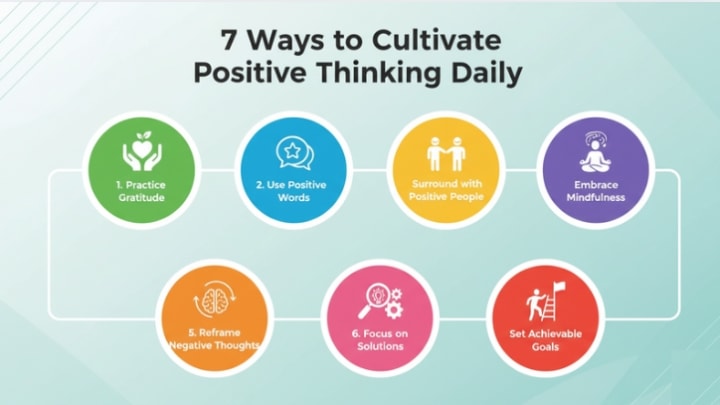
a. Practice Gratitude: Take a few minutes every day to think about the things you are thankful for. It could be your family, friends, health, or even small things like a sunny day or a tasty meal. Focusing on gratitude trains your mind to notice the good things in life, which makes you feel happier and more positive.
b. Use Daily Positive Words: Positive words are short and powerful sentences like “I can do it” or “I can face challenges.” Saying them every day helps you think more positively. After some time, these thoughts become natural and make you feel stronger and more confident.
c. Surround Yourself with Positive People / Mindfulness and Meditation / Change Negative Thoughts / Focus on Solutions / Set Realistic Goals:
- The people you spend time with can affect your thoughts and feelings. Try to be around people who encourage you, support you, and inspire positive thinking.
- Mindfulness means paying attention to the present moment without judgment. Meditation calms your mind and makes you more aware of your thoughts.
- When bad thoughts come to your mind, try to turn them into positive ones.
- When you face a problem, spend more time finding solutions rather than worrying about it.
- Setting small and achievable goals gives you a clear direction and purpose. Celebrate your small successes along the way.
6. The Long-Term Benefits of Positive Thinking
a. Better Decisions: Positive thinking helps you see situations more clearly. When your mind is calm and hopeful, it is easier to think carefully and make better choices in school, work, and personal life.
b. Resilience: People who think positively are stronger when facing problems. They recover faster from failures, mistakes, or difficult times. Instead of giving up, they keep trying and learning from their experiences.
c. Stronger Relationships / Happier Life / Healthier Body and Mind:
- Positive thinkers are fun and supportive to be around. Their optimism encourages and inspires others, which helps build stronger and happier friendships and family relationships.
- Thinking positively makes life feel more enjoyable. When you focus on hope, solutions, and the good things in life, you feel happier, more satisfied, and less worried.
- Positive thinking also helps your body and mind. It reduces stress, improves your immune system, and makes your mind stronger. You are more likely to feel energetic, calm, and ready to face daily challenges.
Over time, positive thinking becomes a natural habit. It can shape your personality, improve your life choices, and lead to a life full of opportunities, growth, and happiness. By practicing positive thinking regularly, you can create a brighter, healthier, and more successful future for yourself.
Conclusion – Start Your Positive Thinking Journey
Positive thinking is a very powerful tool that can change many parts of your life. It affects your mind, your body, your relationships, and even your success. Thinking positively does not mean ignoring problems or pretending that everything is perfect. Instead, it means learning to face life with hope, confidence, and a focus on solutions.
You can start thinking more positively by taking small steps. Every day, spend time being thankful, say positive words to yourself, try mindfulness or meditation, and be with people who make you feel happy. Each small step helps your mind think positively and makes it easier to face challenges.
By practicing positive thinking, you can live a healthier, happier, and more successful life. You will feel calmer in stressful situations, make better decisions, enjoy stronger relationships, and find more opportunities around you.
About the Creator
Bilal khan
Welcome to my corner on Vocal Media! I bring you inspiring journeys of great people, useful life hacks, and ideas to help you learn, grow, and stay motivated.
Keep reading
More stories from Bilal khan and writers in Motivation and other communities.
What Is Critical Thinking and How It Helps in Daily Life
1. Introduction – Why This Topic Matters In today’s fast-moving world, information comes at us every second — from news, social media, and people around us. With so many voices and opinions, it’s easy to get confused or make quick decisions without thinking deeply. That’s why critical thinking has become one of the most important life skills we can develop.
By Bilal khan 3 months ago in Motivation
I Worked Hard My Whole Life but Never Felt Financially Safe
I was raised to believe that hard work was the ultimate guarantee. Work hard, stay honest, don’t complain, and everything would eventually fall into place. Financial safety, I was told, was the reward for effort. So I believed it. I built my entire life around it.
By kamran khan7 days ago in Motivation


Comments
There are no comments for this story
Be the first to respond and start the conversation.