
I am the owner of a healing quilt.
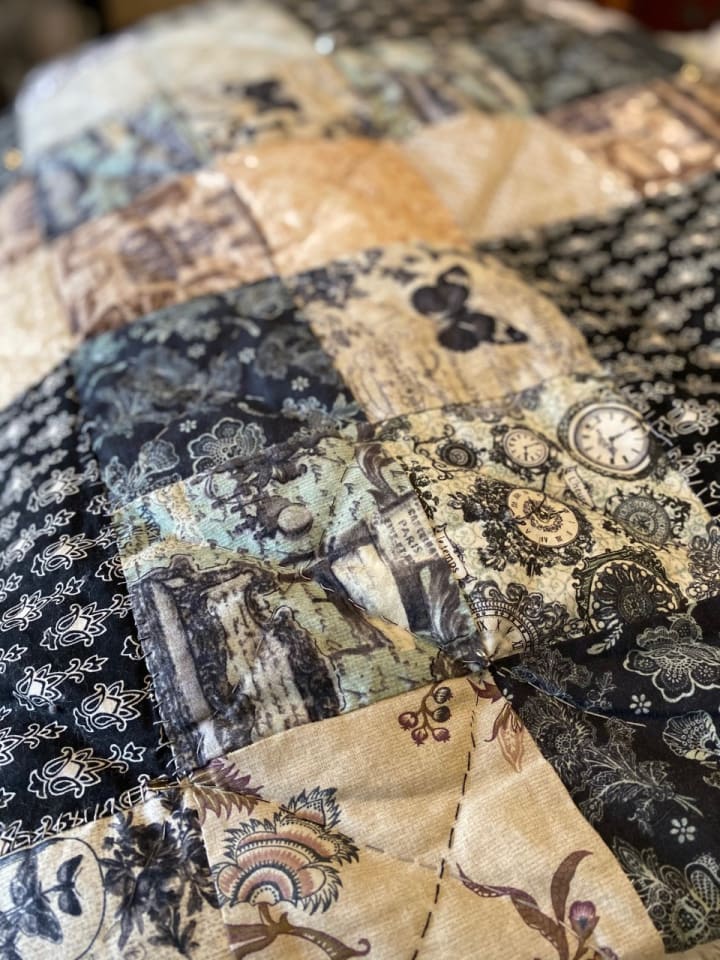
It drapes delicately over my couch. If you saw it, you’d probably dismiss it as a quaint piece of décor. A few years ago, I would’ve probably thought the same thing, but this quilt tells quite a different story. Although not magical nor enchanted, it did in fact start the healing process of its creator. Me. The simple patchwork quilt, measuring no bigger than forty-eight inches by twenty-five inches is the physical manifestation of my resolution to be healed. Grief. Anxiety. Depression. Unforgiveness. Perfectionism. Healed from the hot mess of scraps I’d become (pun intended).
This quilt, like so many other quilts created before it, has a story to tell. Tears soaked into its fabric, day after day, night after night, stitch after stitch. It listened to deep conversations with friends and family, kept me company on sleepless nights, and encouraged me to push on during one of the darkest seasons of my life. From the sidelines, it cheered me on towards the finish line. It sat on my lap like a trusted companion, never asking anything of me. Watching as my entire life unraveled before me, it sustained me as every fiber of my being was immersed in darkness, beckoning me to complete its construction. The repetitious manner of stitching the quilt to life seemed a reminder that I too was becoming a new creation. There were moments when the quilt spoke to me, not out loud, but a soft whisper to my soul, “Carol, just one more stitch.” It became my personal anthem as I daily walked through the nightmare of crippling anxiety and horrifying depression. I was forced to live in the moment, put needle and thread to fabric, and stitch.
Such is the power of a quilt.
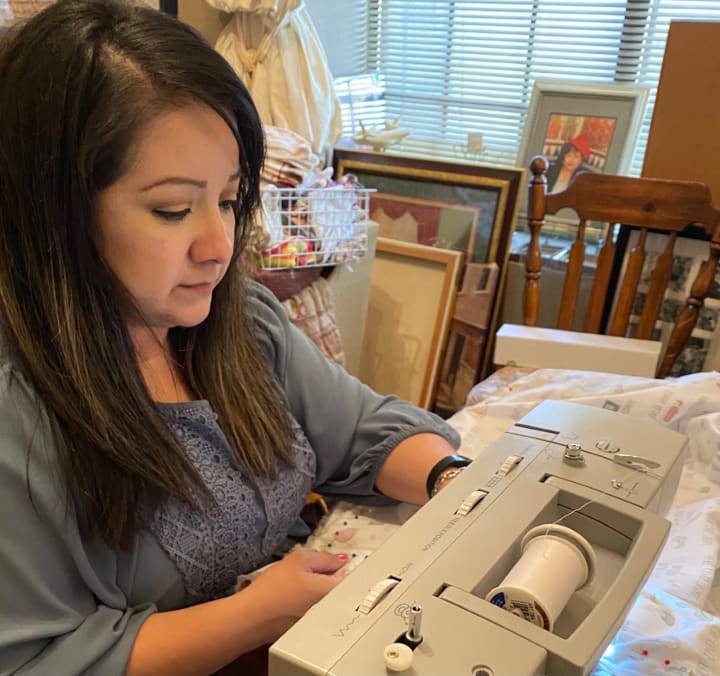
Ask any quilter or seamstress you know and they can attest to the mystical power that lies within fiber, dye, and cloth. No definition can capture this holy divination. Like many creative endeavors, it speaks to the soul of the one doing the creating. The hum of the sewing machine, the precision of the scissors cutting fabric, the designing and executing of the pattern, and the selection of fabrics, become the birthplace of joy. Yes, joy. I would’ve never thought in a million years I’d become a quilter, nor that I’d be writing about how I was healed by quilting. But so is the irony of life, I suppose, as I’m wrapped in a quilt with my laptop on my lap, two creative endeavors joining forces.
Initially, I had no idea what I was doing or the demands of the process. When I finished the quilt, I triumphantly announced it on Instagram with a sweet little picture and felt encouraged by the positive feedback and numerous heart emojis. A private message from a stranger indicated I wasn’t finished with the quilt. My heart sank when I read these words, “You still have a lot of work ahead of you. It needs batting, a back, and it needs to be quilted.” The comment was a total buzzkill.
Since then, I’ve learned a quilt is comprised of five parts. The top, most noticeable at first glance, is art-gallery-worthy with its vibrant colors, eclectic prints, and whimsical designs. The middle, also known as the batting, is the part of the quilt you don’t see. Batting comes in various forms such as wool, cotton, and polyester, and it gives the quilt warmth and stability. The third part of a quilt is called the backing, where one or more fabrics or designs encompass the entire span of the back. All three layers are then carefully quilted together either by hand, with a sewing machine, or with a longarm quilter. The final step is adding fabric to the perimeter of the quilt, this is called the binding.
Voilà. It's done.

I guess I’m learning what the world already knew, quilts have medicinal properties. In 1987, I vividly remember the unveiling of the AIDS Memorial Quilt (“The Quilt”) at the National Mall in Washington, D.C. The Quilt is considered one of the ways in which to memorialize and remember those who lost their battle with AIDS. On the National AIDS Memorial website, it says, “The panels of The Quilt have been hand-sewn by members of the public as a way to transform loss and heartbreak into healing and hope.”
Quilts are healing.
Memorial quilts are an ever-present word in our modern-day vernacular, with organizations paying homage to numerous causes and events such as Breast Cancer Awareness and 9/11. In America, we often see quilts bestowed as gifts for life events like weddings, baptisms, births, and housewarming gifts. There is something special when you are the recipient of such a quilt, as if the fabric carries within its core a talisman of good luck.

In Central Asia, that’s exactly what they think. They believe scraps of fabric, called Alem, are sacred. Within their fibers exists protection against sinister forces, bad luck, and illness. When these hallowed scraps are quilted together, they become a consecrated object with a spiritual purpose.
Quilts tell stories. They unleash memories, remove stigmas from society, help foster community, engages our senses, memorialize loved ones, pay respect to heroes, showcase the resilience of the human spirit and keep us warm on a cold night. Every quilt you’ve ever encountered has a unique story to tell if you let it. The story transcends the pattern you see and sends a clear message from its creator—you are loved. Like one of my favorite fictional characters, Harry Potter, I soon learned that I wielded within my grasp remarkable power, not found in a wand, but in my case, a needle.
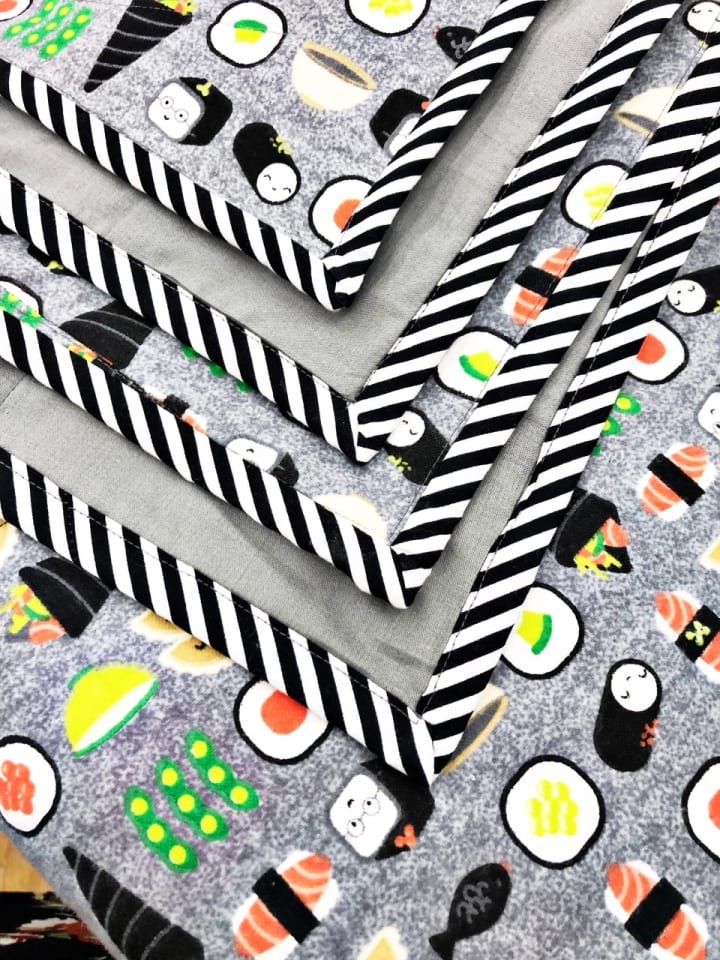
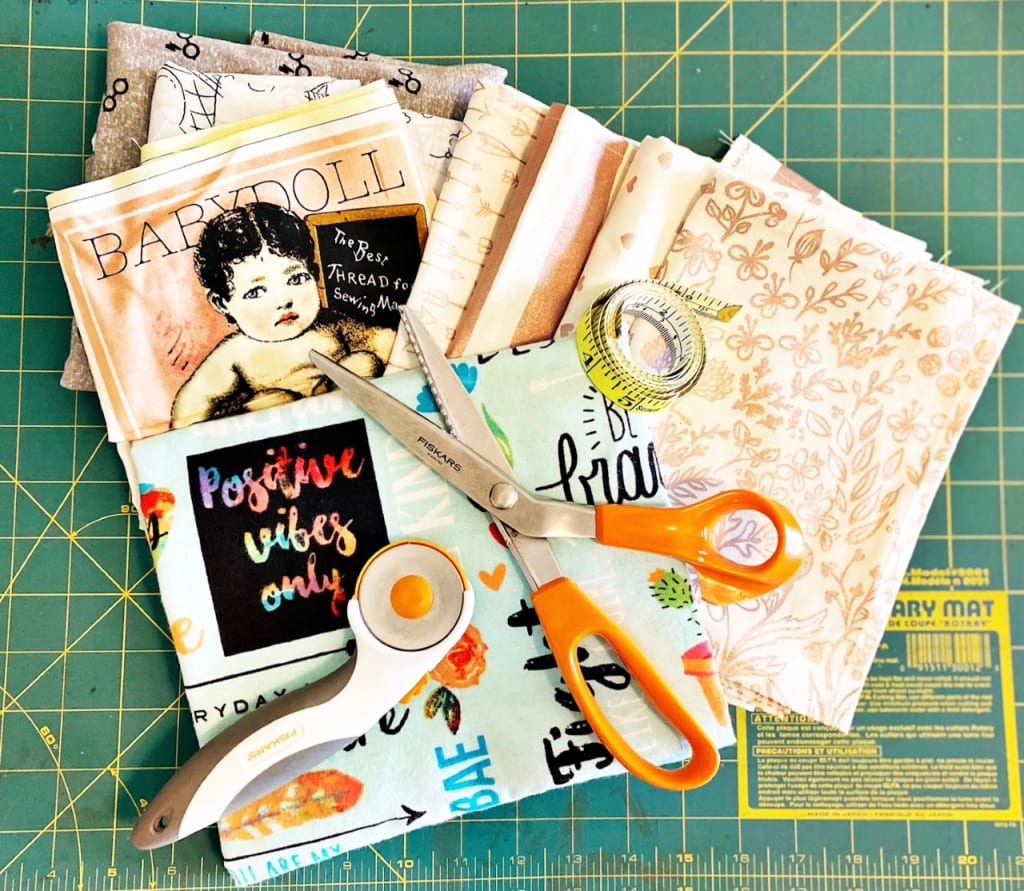
Learning to quilt didn’t come easy, but it brought benefits far more magnificent than I could’ve ever imagined. My quilting teacher, Goldie, became one of my closest and treasured friends. She taught me the true meaning of friendship and love. She sacrificed hours of her time to teach me her masterful skill, and on some days, she just wept with me. Her first gift to me was a pair of scissors, for as she put it, “A quilter is only as good as her tools.”
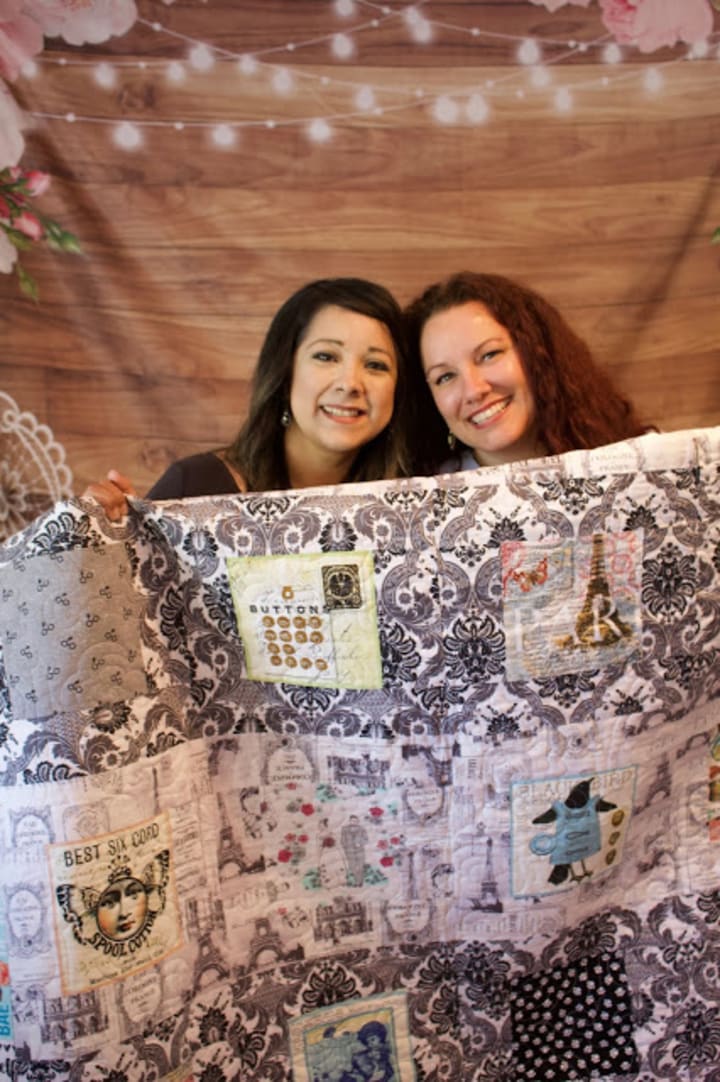
I bonded closer with my mother who is a seamstress. We went to sewing and quilting fairs together, shopped at fabric stores, and can still talk on the phone for hours about all thing's fabric. The time I’ve spent with my mother has been special and our relationship has been fortified because of it.

But, more importantly, I fell in love with life again.
I learned that no matter what you are going through, you can be stitched back together again. The process of healing, like quilting, isn’t fast nor easy, but it is worth it. Who knew fabric, scissors, needle, and thread could be so healing?
About the Creator
Carol Sue Stuart
Writer, blogger, poet. Creating content to brighten the world.
Keep reading
More stories from Carol Sue Stuart and writers in Motivation and other communities.
The Prophet of Serath
No one expected anything good to come out of Serath, especially not the foretold prophet. For centuries the people awaited the deliverance of the Prophet, a man said to possess the powers of the sacred and the ability to give mankind back their freedom under the reigning terror of the Legion. They looked for the miracle birth of the foretold child.
By Carol Sue Stuart5 years ago in Fiction
Saving Big on Big Purchases Without Putting Yourself in Debt
Major expenses- such as buying a car, replacing a home appliance, getting a new laptop, paying for a wedding, or planning a dream vacation- often push people toward loans or credit cards. Borrowing can seem like the quickest way to get what you want, but it usually brings interest charges, ongoing stress, and long-term financial strain. Saving ahead of time may require more patience, but it puts you in control, reduces anxiety, and often saves you money in the long run. Below is a clear, practical guide to funding big purchases without relying on debt.
By Emma Ade3 days ago in Motivation



Comments
There are no comments for this story
Be the first to respond and start the conversation.