
The Discipline Dilemma: Why Motivation Alone Isn’t Enough
In a world obsessed with staying “motivated,” many overlook the real key to progress: discipline. Here’s how to build it, sustain it, and use it to unlock your full potential.

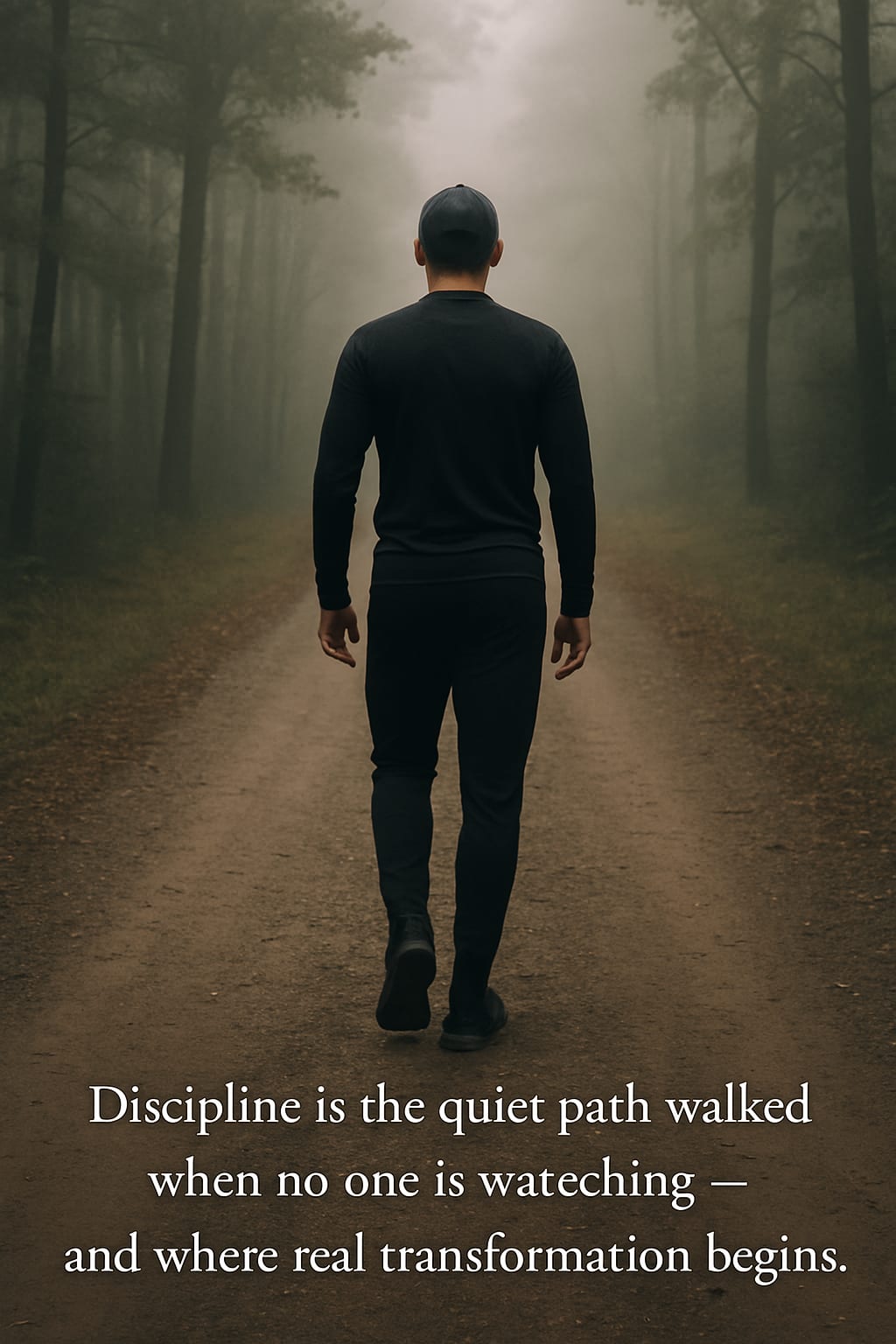
We’ve all felt it: that sudden burst of energy after watching an inspiring video, reading a quote, or daydreaming about our goals. It’s what we call motivation, and it feels powerful… for a while.
But then comes the next morning. The alarm rings. Your bed feels warmer than your dreams feel urgent. That motivational high? Gone. And with it, your grand plans fade too.
What’s the problem?
We’ve built a culture that worships motivation but misunderstands it. Motivation is fleeting. It’s a spark, not a fuel source. What actually gets things done — what makes dreams real — is discipline. And that’s where most people fall short.
This article is about that difference — and how to finally close the gap between who you want to be and who you actually are.
⸻
1. WHY MOTIVATION FAILS US
Motivation is emotional. It’s linked to how we feel. The problem? Feelings change. A bad night’s sleep, a disappointing email, a cloudy day — any of these can smother motivation like rain on a campfire.
We often think we’ll “feel like it” tomorrow, or next week, or when life is less busy. But high performers don’t wait to feel like it. They act despite how they feel.
Truth bomb: If your goals depend on how motivated you feel, you’ll never get anywhere consistently.
⸻
2. ENTER: DISCIPLINE
Discipline is showing up when you don’t want to.
It’s going to the gym when you’re tired.
Writing when your brain feels empty.
Studying when you’d rather scroll.
Discipline is boring. It’s repetitive. But it’s also effective. It’s what builds momentum. Over time, it creates identity. You stop being someone who wants to achieve — you become someone who does.
⸻
3. HOW TO BUILD DISCIPLINE FROM SCRATCH
Discipline isn’t something you’re born with. It’s like a muscle — it strengthens with use.
Here’s how to build it:
A. Make it frictionless
Remove excuses before they show up. Want to work out? Lay your clothes out the night before. Want to write? Open your laptop with the document ready.
Make doing the right thing the easy thing.
B. Commit small, go deep
Start tiny. Don’t say “I’ll run 10km every day.” Say “I’ll put on my running shoes and walk for 10 minutes.” Tiny actions build trust in yourself — and self-trust grows discipline.
C. Track your streak
There’s a reason apps like Duolingo and Habitica work: they gamify consistency. Use a calendar or app to mark off your progress. Seeing those checkmarks pile up is addictive — in the best way.
D. Remove the decision
Make your habits non-negotiable. “This is just what I do.” No internal debate. No bargaining.
E. Pair it with pleasure
Reward yourself after doing hard things. A favorite podcast during chores. A good coffee after the gym. Eventually, your brain learns to link effort with satisfaction.
⸻
4. HACKING YOUR ENVIRONMENT
Your willpower is limited. But your environment can do a lot of the heavy lifting.
Ask yourself:
• Does your space encourage focus or distraction?
• Are your friends pulling you forward or holding you back?
• Do your routines support your goals or sabotage them?
Rearrange your environment to make success default. Want to read more? Leave books around. Want to study? Use apps like Forest to stay off your phone. Want to eat better? Stock your kitchen accordingly.
Set the stage for the person you want to be.
⸻
5. IDENTITY SHIFT: FROM “TRYING” TO “BEING”
Here’s a game-changing shift: Don’t act like someone trying to change. Act like someone who has already changed.
Instead of “I’m trying to be healthier,” say “I’m a healthy person.”
Instead of “I’m trying to write,” say “I’m a writer.”
Your brain seeks to prove your identity right. If you see yourself as disciplined, you’ll act accordingly — even when you’re tired, bored, or unmotivated.
⸻
6. WHEN YOU FALL OFF (BECAUSE YOU WILL)
Let’s be real: you will slip up. You’ll miss days. You’ll eat the cake. You’ll skip the workout.
But here’s the trick: Don’t let one missed day become two.
Momentum is fragile. One break is okay. Two is the start of a new (bad) habit. Forgive yourself fast, and get back on track.
⸻
7. LONG-TERM VISION, SHORT-TERM ACTION
Discipline feels hard in the moment. So you need a reason bigger than that moment.
Ask: Why does this matter?
Attach your actions to something deeper:
• You’re not just waking up early — you’re building a life you’re proud of.
• You’re not just saying no to distractions — you’re saying yes to your future.
• You’re not just working out — you’re taking care of someone you love: you.
Short-term discomfort makes sense when it’s in service of long-term joy.
⸻
CONCLUSION: YOU DON’T NEED TO FEEL READY — JUST BEGIN
Motivation is nice. But discipline is what actually changes lives.
Start today. Not tomorrow. Not “when I feel like it.” Not “once I’m less busy.”
Start small. Stay consistent. Become unstoppable.
Your future self is already waiting. Show up for them.
About the Creator
Ahmet Kıvanç Demirkıran
As a technology and innovation enthusiast, I aim to bring fresh perspectives to my readers, drawing from my experience.
Keep reading
More stories from Ahmet Kıvanç Demirkıran and writers in Motivation and other communities.



Comments (2)
Very interesting article
"Don’t wait for the perfect moment"—love" it. There will always be an excuse. Discipline is what helps a person be truly purposeful. Very good!